Hyderabad: Hyderabad Airport is expanding its role in India’s air-cargo network as demand grows for faster and more specialised movement of pharmaceuticals, perishables and other high-value goods. The commissioning of Cargo Terminal 2 adds capacity while introducing technology and cold-chain infrastructure aimed at reducing handling delays. The expansion could strengthen Hyderabad’s position as a logistics gateway for time-sensitive international trade.
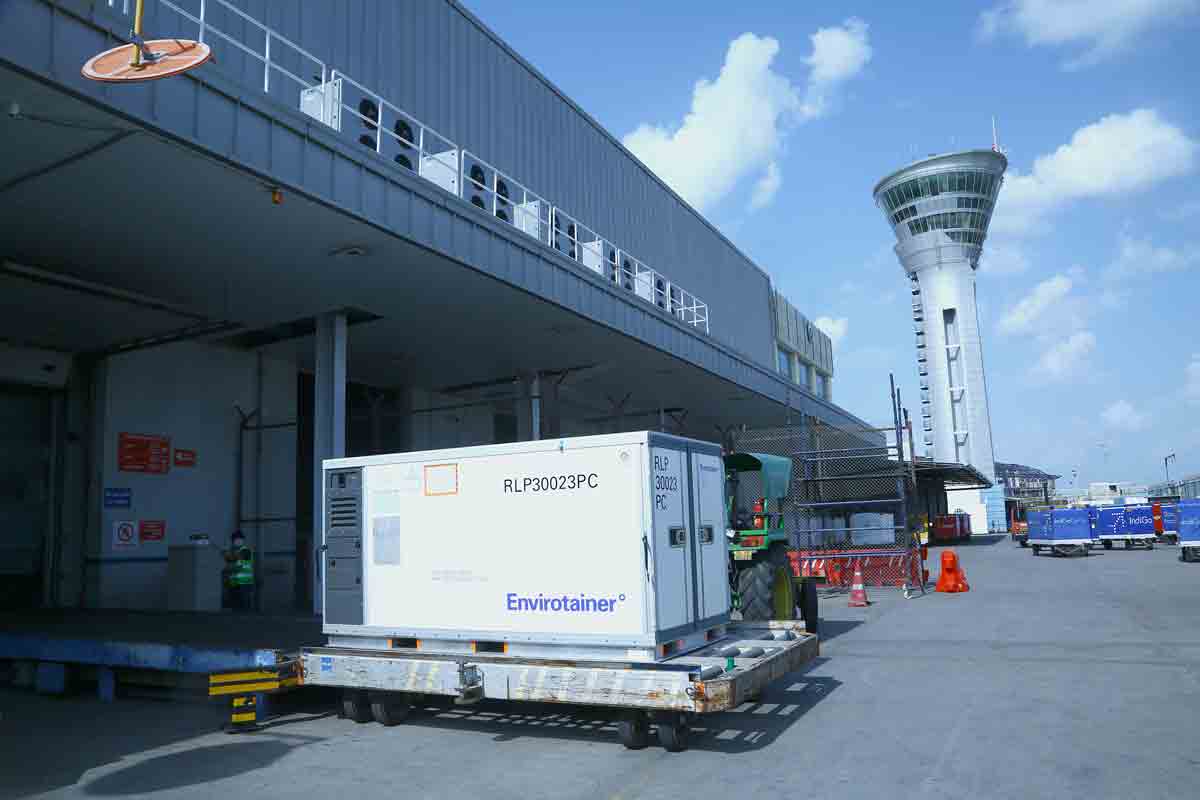
The airport, operated by GMR Hyderabad International Airport Ltd, has developed a strong cargo base around sectors such as pharmaceuticals and perishables. The latest infrastructure is designed to support higher throughput and more predictable cargo movement. Cargo Terminal 2 uses dedicated processing zones and parallel handling areas for export, import and pharmaceutical shipments. This layout allows different consignments to be processed simultaneously, potentially reducing the time cargo spends within the terminal. The Hyderabad Airport cargo expansion also places greater emphasis on specialised temperature-controlled logistics. A dedicated pharmaceutical zone is designed to maintain controlled conditions throughout handling. Such infrastructure is important for medicines and other products that can lose their value or safety if exposed to unsuitable temperatures. The terminal includes cold-storage facilities capable of reaching temperatures as low as minus 20 degrees Celsius. Airside refrigerated vehicles are also part of the cold-chain system, helping maintain temperature control during movement between aircraft and cargo facilities.
Technology is another major component of the expansion. Automated weighing systems, handheld devices for cargo acceptance and conveyor systems are being used to improve processing and reduce manual intervention. The import facility also uses automated vertical carousel systems. These systems increase storage density while helping staff retrieve consignments more efficiently. Security infrastructure has been upgraded as well. Integrated perimeter intrusion detection and AI-supported camera analytics are designed to strengthen monitoring across cargo operations. Digital customer interfaces are also being introduced. A customer relationship management platform with service-level tracking and a WhatsApp-based chatbot can provide greater visibility into cargo processes. QR-based hazard reporting adds another layer to operational safety. The Hyderabad Airport cargo expansion also has a wider regional significance. The airport has freighter connections with international hubs including Frankfurt, Istanbul and Addis Ababa through major airlines. Such links can provide exporters with more direct access to global markets and reduce dependence on connecting gateways.
For Hyderabad’s economy, this matters particularly to the life sciences sector. The city is already a major pharmaceutical manufacturing and research centre. Better cargo infrastructure can support faster movement of medicines and other temperature-sensitive products from production facilities to overseas markets. The benefits could extend beyond pharmaceuticals. Perishables, express shipments and other high-value goods also require reliable and time-sensitive logistics. As global supply chains become more sensitive to delays, airports with specialised infrastructure can become important competitive assets for regional economies. The expansion also has implications for surrounding logistics and industrial development. Warehousing, freight forwarding, cold-chain operators and other support businesses could benefit from higher cargo volumes. Improved air connectivity may also make Hyderabad more attractive for companies seeking proximity to international markets. The next challenge will be ensuring that airport expansion connects effectively with road networks, logistics parks and other freight infrastructure. A cargo terminal can increase capacity, but the wider supply chain must move efficiently beyond the airport boundary. For Hyderabad, the development marks a shift towards a more integrated logistics ecosystem. Its long-term success will depend on whether new infrastructure can translate additional capacity into faster, reliable and resilient connections for exporters and businesses.