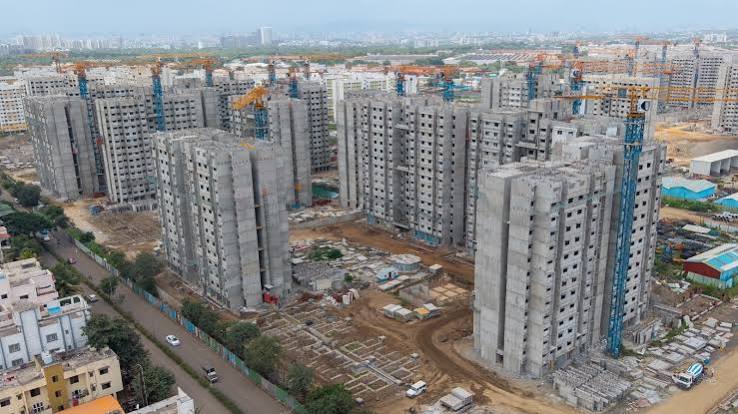
Pune’s affordable housing framework could undergo a significant administrative change, with Maharashtra proposing to shift the management and allocation of housing and plots reserved for economically weaker and low-income households from MHADA to the relevant planning authorities. The move could bring housing decisions closer to local planning bodies, but it also places greater responsibility on them to ensure transparent allotment and protect the supply of genuinely affordable homes.
The proposed change concerns the inclusive housing provisions under Maharashtra’s Unified Development Control and Promotion Regulations. For residential layouts of 4,000 sq m or more, the rules provide for a 20% allocation for EWS and LIG housing. Existing provisions have involved MHADA in beneficiary identification and the management of the affordable housing stock. Under the proposed framework, developers would continue to provide the mandated affordable housing component, but the relevant planning authority would take over its possession, management and allotment. The location of these plots would also have to be assessed by the competent or local planning authority, with reasons recorded in writing. For Pune, the shift is important because planning authorities are directly responsible for approving development and managing local infrastructure. Bringing affordable housing administration into the same institutional framework could reduce coordination gaps between land-use approvals and housing delivery.
The bigger question is whether decentralisation will improve access for lower-income households or simply transfer responsibility without strengthening administrative capacity. Affordable housing is not created merely by reserving land. The homes must be located where residents can reach jobs, schools, healthcare and public transport without facing excessive travel costs. The existing system also provides an important reference point. Maharashtra’s housing policy documents have acknowledged implementation challenges around inclusive housing, while the UDCPR framework specifies EWS and LIG units in the 30–50 sq m range and sets out mechanisms involving MHADA.
The proposed changes could also affect developers because the process for handing over affordable plots or completed units, along with the corresponding development-right mechanisms, would become more closely linked to individual planning authorities. Clear rules will therefore be essential to prevent uncertainty in project approvals and land transactions. For citizens, transparency will be the more important measure. Beneficiary eligibility, allotment procedures, location selection and the valuation of any development rights need to remain publicly traceable. The proposal is still subject to the statutory process for suggestions and objections. Its eventual impact will depend on the final rules and how effectively planning authorities implement them. If managed well, the Pune affordable housing framework could become more locally responsive; if safeguards weaken, the transfer of responsibility could leave the intended beneficiaries with fewer protections.