Mumbai Monsoon Rainfall Returns With Fresh Intensity
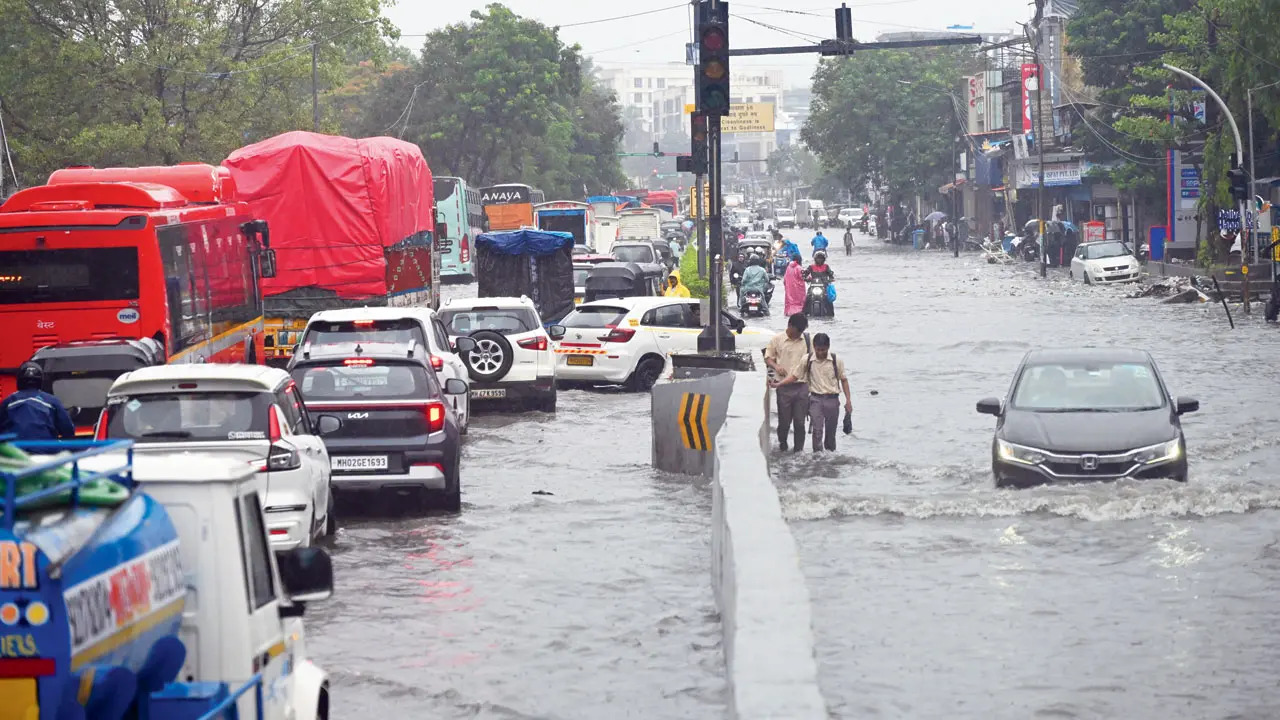
Mumbai saw a fresh spell of intense rain on Tuesday as activity increased across the city after a short break. The India Meteorological Department retained a yellow warning for August 12, indicating the possibility of heavy rainfall in isolated areas. The renewed spell comes as Santacruz’s seasonal rainfall total has moved beyond 2,000 mm, keeping pressure on the city’s drainage, transport and flood-management systems. Rainfall was uneven across Mumbai, with the western suburbs receiving the highest average accumulation recorded by the civic weather network during the day. Eastern suburbs followed, while the island city recorded comparatively lower totals. Such variations are significant for urban planning because intense rain can overwhelm local drainage capacity even when citywide rainfall averages appear moderate.
The Santacruz observatory had accumulated about 2,020 mm of rain by August 11, while Colaba had recorded around 1,676 mm. The figures underline the contrast between Mumbai’s two principal monitoring locations and show why neighbourhood-level weather information is increasingly important for managing a city with sharply different rainfall patterns. The IMD maintains dedicated rainfall and warning services for Greater Mumbai. Temperatures also fell sharply with the renewed showers. Santacruz recorded about 26.1°C, while Colaba registered 27.6°C, substantially below the previous day’s readings. For residents, the cooler conditions may offer temporary relief from heat, but the combination of lower temperatures and intense rainfall can create additional challenges for roads, public transport and outdoor work. The immediate weather pattern is linked to a low-pressure system over central India and an associated trough extending towards the southwest. The system is helping transport moisture towards the Konkan coast, increasing rainfall activity over Mumbai and surrounding areas.
Similar monsoon systems can produce highly localised rainfall, making short-duration bursts particularly important for flood preparedness. The city’s infrastructure faces a recurring test whenever rainfall becomes concentrated over short periods. Roads and drainage networks must handle rapid water accumulation, while construction sites, low-lying neighbourhoods and pedestrian corridors remain vulnerable to disruption. For businesses, even temporary flooding can affect employee movement, deliveries and access to commercial areas. The broader concern is not simply how much rain Mumbai receives during a season, but how quickly that rain arrives and where it falls. Urban resilience depends on keeping drains clear, protecting natural water-retention areas and using local rainfall data to identify emerging flood risks.
With further showers expected across the Mumbai Metropolitan Region, the focus now shifts from the seasonal rainfall milestone to the city’s ability to absorb another round of intense weather without major disruption. The coming days will provide another measure of how effectively Mumbai’s infrastructure can cope with increasingly variable monsoon conditions.