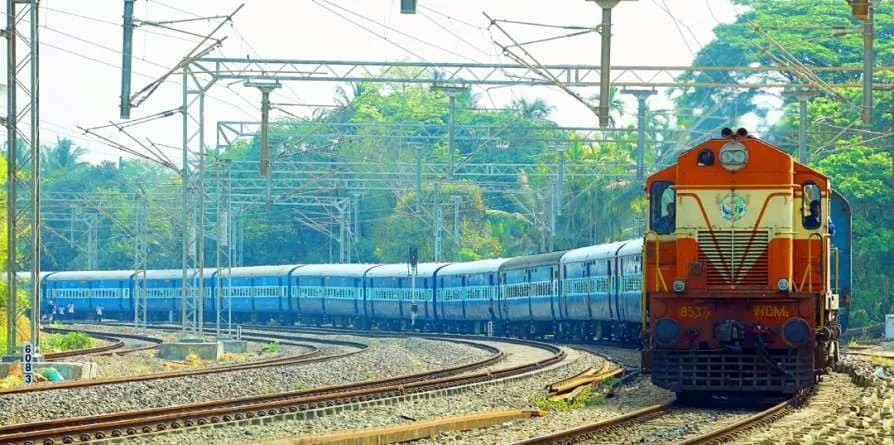
Chennai Kanyakumari Rail Boost Reduces Seasonal Pressure
As intercity travel demand rises across Tamil Nadu during the summer holiday period, additional rail services between Chennai and Kanyakumari are set to improve passenger mobility along one of the state’s busiest long-distance corridors. The temporary expansion comes at a time when railway infrastructure is facing mounting pressure from seasonal migration, tourism movement and growing dependence on public transport for affordable regional travel.
Southern Railway has scheduled a series of special services connecting Chennai Egmore with Kanyakumari during May and early June, with key halts planned at Tiruchirappalli and Srirangam. The move is expected to ease congestion on regular express trains that routinely operate at full capacity during school vacations and pilgrimage travel peaks. Transport planners say the Chennai Kanyakumari rail corridor plays a critical role in linking northern urban centres with southern districts that depend heavily on rail-based mobility for work, education, healthcare access and tourism. The additional services are also expected to support movement into temple towns and coastal destinations that experience seasonal spikes in visitor numbers.According to railway schedules released for the summer operations window, the special trains will run on select Fridays and Sundays between mid-May and early June. The services will pass through important intermediate junctions including Villupuram, Ariyalur, Madurai and Tirunelveli, strengthening connectivity across multiple economic and cultural clusters in Tamil Nadu.
Officials familiar with passenger movement trends noted that periodic special trains have increasingly become essential rather than optional additions to the network. Rapid urban expansion around Chennai and rising inter-district mobility have significantly increased dependence on rail systems, particularly among middle-income and lower-income travellers seeking cost-effective long-distance transport.Urban mobility experts also point to the environmental relevance of strengthening railway capacity instead of relying entirely on road-based transport growth. Rail travel continues to remain one of the lower-emission public transport modes for long-distance movement, especially on densely travelled state corridors. Expanding train frequency during high-demand periods can help reduce pressure on highways, lower fuel consumption and improve travel reliability for passengers. The Chennai Kanyakumari rail services will include air-conditioned coaches, sleeper accommodation, general second-class compartments and accessible facilities for passengers with disabilities. Accessibility advocates have increasingly called for improved station infrastructure and better last-mile transport integration to ensure inclusive mobility beyond rail terminals.
Passenger reservation data from recent holiday periods has shown persistent waiting lists on south-bound trains originating from Chennai, highlighting the broader challenge of balancing infrastructure demand with network capacity. Industry observers believe periodic special services may gradually evolve into more permanent operational additions if travel demand continues to rise across Tamil Nadu’s regional corridors. With urbanisation accelerating across southern India, transport authorities are under growing pressure to expand sustainable public mobility systems that remain affordable, energy-efficient and socially inclusive. The performance and demand response to these summer rail services may influence future decisions on seasonal capacity planning and regional railway investments.