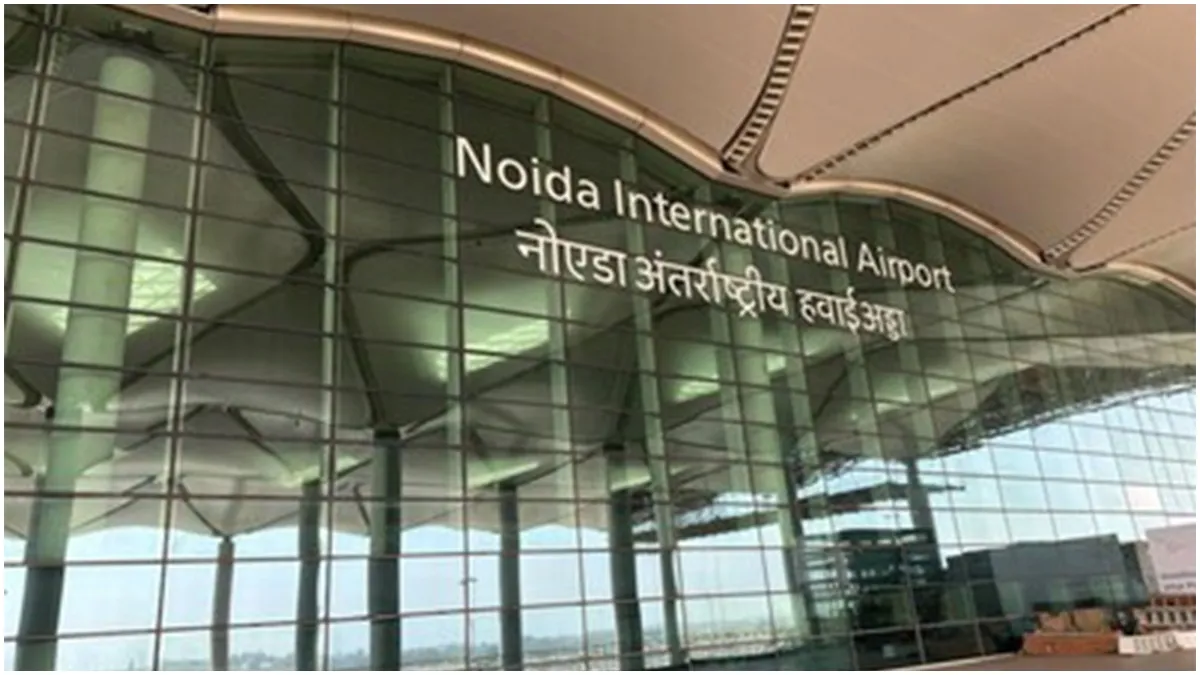
Noida Airport Charges Trigger Fare Affordability Debate
A debate over passenger affordability has emerged ahead of the commercial launch of Noida International Airport, with concerns growing that elevated airport usage charges could undermine the project’s positioning as an accessible aviation hub for western Uttar Pradesh and the National Capital Region.
The issue gained momentum after a public representative from the Jewar region urged the Union government to reassess proposed passenger-related fees at the upcoming airport, warning that higher operating costs may ultimately translate into expensive airfares during the airport’s early years. The concern comes weeks before scheduled flight operations are expected to begin in mid-June. At the centre of the discussion is the User Development Fee, a levy commonly imposed to recover airport infrastructure investments. Aviation analysts say such charges, when introduced aggressively during an airport’s initial phase, can affect airline pricing strategies and passenger demand patterns. Preliminary fare comparisons on select domestic routes have already triggered questions over whether Noida International Airport can remain competitive against Delhi’s established aviation network. The concern carries wider implications for regional mobility planning. Noida International Airport was envisioned as a major decentralised transport gateway intended to reduce congestion at Delhi’s primary airport while accelerating economic growth across western Uttar Pradesh.
Urban planners note that the long-term success of such infrastructure depends not only on runway capacity and real estate expansion, but also on affordability, accessibility and seamless public transport integration. Currently, multimodal connectivity around the airport remains under development. Metro rail extensions, regional rapid transit links and high-capacity public transport systems are still evolving, leaving many commuters dependent on road-based travel. Transport experts suggest that if passengers are required to bear both higher ticket prices and longer last-mile travel expenses, the airport may initially struggle to attract price-sensitive travellers from NCR cities. The debate also highlights a broader challenge facing India’s rapidly expanding airport infrastructure sector. Large-scale greenfield airports often require significant capital recovery mechanisms, yet urban economists argue that pricing models must remain aligned with public mobility goals, especially in emerging metropolitan regions where aviation access is expected to support employment, trade and regional investment.
Industry observers indicate that airlines typically assess operational viability based on a combination of airport charges, fuel taxation, passenger demand and connectivity efficiency. If operating costs rise sharply during the launch phase, carriers may limit route expansion or pass additional expenses to travellers, potentially slowing passenger adoption. The Noida International Airport project has been positioned as a transformative urban infrastructure initiative with the potential to reshape economic geography across NCR and neighbouring districts. However, experts believe that maintaining competitive passenger costs during the initial operational period will be critical to ensuring balanced regional growth and wider public acceptance. With commercial services nearing launch, policy discussions are now expected to focus on how emerging infrastructure projects can remain financially sustainable while continuing to serve as inclusive and accessible public assets for rapidly urbanising regions.