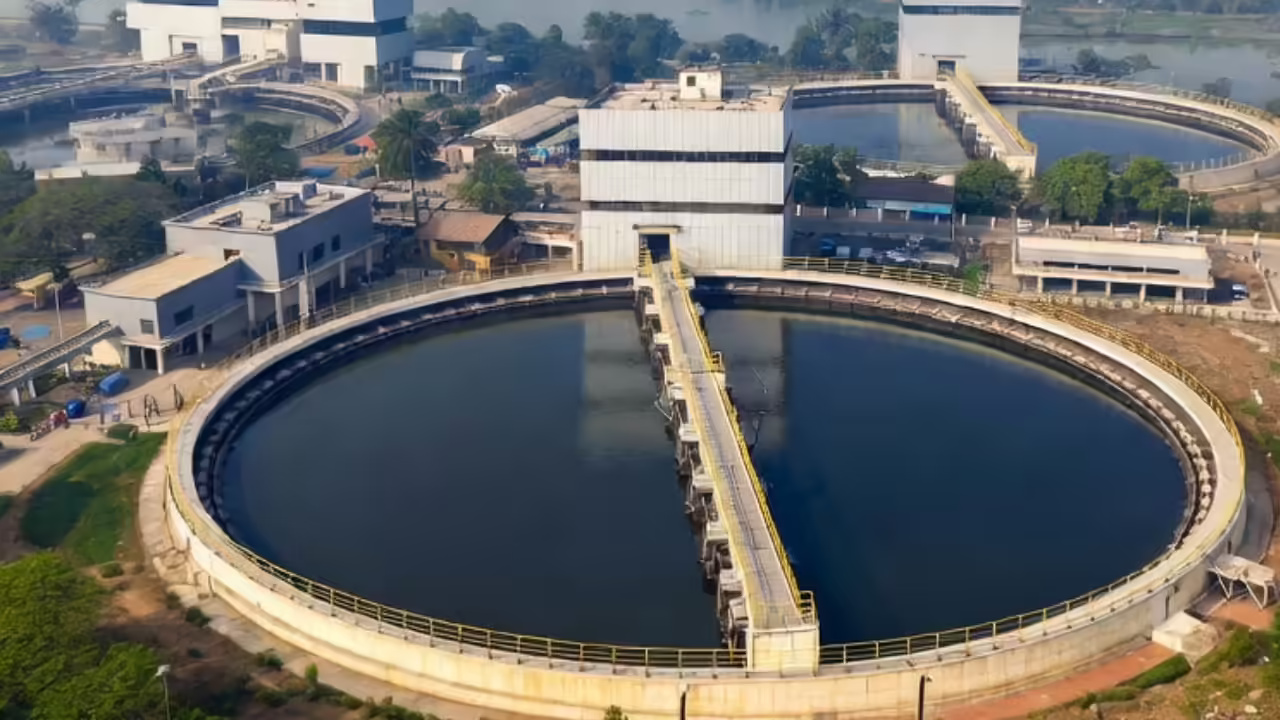
Mumbai is preparing for a significant expansion of its urban water infrastructure with plans for a new 910 million litres per day facility at Panjarapur, a move aimed at strengthening supply reliability as the city faces rising demand, ageing treatment systems and increasing climate-related pressure on essential utilities. The proposed water treatment plant forms part of the larger Pise Panjarapur network that processes raw water sourced from Bhatsa Dam before distribution to Mumbai and surrounding suburban areas. Civic authorities have initiated the project as concerns grow over the structural condition of older treatment units that have been operating for more than four decades.
Officials involved in the project said the new installation is intended to function alongside the existing network while older infrastructure is gradually phased out. The current Panjarapur facility, developed in stages beginning in the late 1970s, has shown signs of deterioration due to prolonged exposure to chemicals used in water purification processes. Urban infrastructure experts note that Mumbai’s dependence on ageing utility systems has become increasingly risky as population growth, higher summer temperatures and erratic rainfall patterns place greater stress on water distribution networks. The planned expansion is therefore being viewed not merely as a capacity enhancement project, but as part of a broader resilience strategy for the metropolitan region. The new Mumbai water treatment plant is expected to improve operational flexibility within the city’s supply chain while reducing the likelihood of service disruptions during maintenance or monsoon-related emergencies. Civic planners believe the additional treatment capacity could also support future redevelopment zones and expanding suburban settlements where water demand continues to accelerate. According to officials familiar with the proposal, engineering consultancy responsibilities include preparing the detailed project framework, conducting geotechnical studies, overseeing system design and monitoring execution standards during construction.
The overall implementation cycle is expected to extend over several years due to the complexity of integrating new infrastructure into an active supply network serving millions of residents daily. Water policy specialists say the project also highlights the growing need for Indian cities to modernise hidden urban systems such as treatment plants, pipelines and pumping stations, which often receive less public attention than transport or real estate projects despite being equally critical to economic productivity and public health. The development comes at a time when multiple cities across Maharashtra are reviewing water preparedness amid concerns over fluctuating reservoir levels and increasing climate volatility. In Mumbai, where uninterrupted access to potable water directly affects housing density, commercial activity and public sanitation, infrastructure upgrades are increasingly tied to long-term sustainability goals.
While the proposed facility is still awaiting procedural approvals at the municipal level, planners see it as a necessary investment in future urban resilience. Experts argue that alongside expanding treatment capacity, authorities will also need to prioritise leak reduction, wastewater recycling and watershed protection to ensure the city’s water security remains sustainable over the coming decades.