


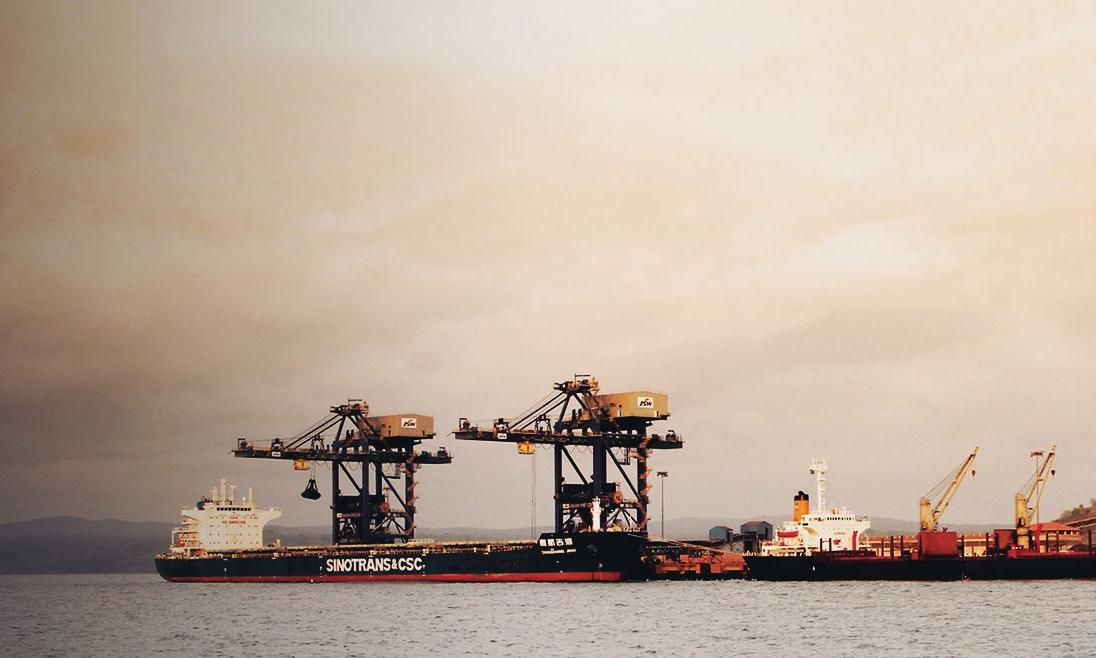
India’s maritime logistics sector is witnessing renewed expansion as port operator and transport infrastructure firms scale capacity to support industrial growth and trade movement. Recent quarterly financial disclosures by a major private port operator showed rising operational income and cargo-linked earnings, even as profit margins came under pressure from higher costs and expanding investments. The development underlines the growing importance of integrated freight infrastructure in shaping India’s urban-industrial economy.
The company reported stronger year-on-year revenue growth during the January–March quarter, driven by higher cargo handling volumes and increased activity across its port and logistics network. Operating earnings also improved, reflecting continued demand from sectors such as energy, steel, and manufacturing that rely heavily on coastal transport and multimodal connectivity.However, net profit declined compared to the same period last year, highlighting the financial strain often associated with rapid infrastructure expansion. Analysts tracking the sector noted that rising depreciation, financing costs, and investments in new terminals and logistics assets are increasingly affecting balance sheets across India’s infrastructure ecosystem.The performance comes at a time when India is attempting to modernise its freight corridors and reduce transport inefficiencies that contribute to urban congestion and industrial delays. Urban planners and logistics experts argue that stronger port connectivity can significantly lower supply chain costs while reducing dependence on long-haul road transport, which remains one of the country’s largest sources of freight-related emissions.The latest JSW Infrastructure results also reflect a broader shift towards integrated logistics planning, where ports are no longer treated as isolated assets but as part of larger industrial and urban development networks. Improved rail connectivity, warehousing systems, and inland transport corridors are increasingly shaping investment decisions in the sector.
Industry observers believe that sustained capital expenditure in maritime infrastructure could support regional economic growth, particularly in emerging industrial belts near coastal zones. Yet they caution that expansion must be balanced with environmental safeguards, especially in ecologically sensitive shoreline regions vulnerable to climate risks and rising sea levels.The company’s operational growth also arrives amid increasing policy attention on low-carbon freight movement. Shipping and rail-linked cargo systems are generally considered more energy efficient than road-based freight transport. Infrastructure economists suggest that better integration between ports, industrial clusters, and public logistics systems could help Indian cities reduce pollution linked to heavy vehicle movement.At the same time, questions around land use, coastal sustainability, and equitable development remain central to large infrastructure projects. Experts note that while logistics-led growth can generate employment and industrial investment, planning authorities must ensure surrounding communities benefit through improved mobility, environmental monitoring, and transparent rehabilitation frameworks where required.
The latest quarterly outcome indicates that infrastructure operators continue to prioritise long-term capacity creation despite short-term profitability pressures. As India accelerates industrial expansion and export ambitions, the resilience of transport infrastructure networks will increasingly influence urban growth, economic competitiveness, and sustainability outcomes across major regions.
Read More: Bengaluru metro starts early for marathon commuters
