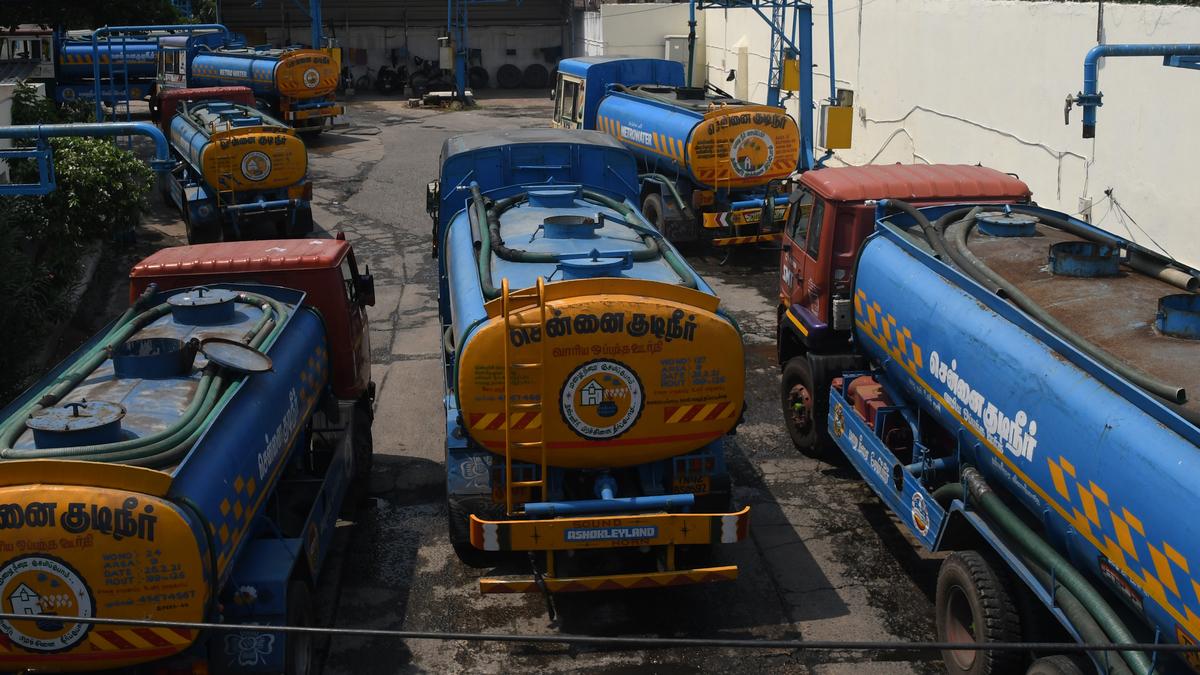
Chennai Metrowater Expands Citizen Grievance Access
Chennai’s public water utility is intensifying its citizen outreach efforts this weekend through decentralised grievance hearings across the city, a move urban planners say reflects growing pressure on utilities to become more responsive amid climate volatility, rising population density, and ageing civic infrastructure.
The city’s water and sewerage authority will conduct public interaction sessions on Saturday across all 15 administrative zones, allowing residents to raise concerns linked to drinking water access, sewage management, taxation disputes, and pending utility connections. The initiative comes as Chennai continues to navigate recurring urban water stress while simultaneously preparing for future climate-linked disruptions. Officials familiar with the programme said the meetings are intended to reduce delays in complaint resolution and improve coordination between field engineers and households. Senior engineers are expected to oversee the sessions, which will run during the morning hours at zonal offices across the metropolitan region.
Urban governance experts note that such open civic interfaces are increasingly critical in rapidly expanding cities where service demands often outpace infrastructure upgrades. Chennai’s peripheral growth corridors, along with older inner-city neighbourhoods, have witnessed rising complaints over drainage blockages, uneven water distribution, and delayed sewer network connections in recent years. The public hearings are also expected to focus on the upkeep of rainwater harvesting systems a significant issue for Chennai, which remains highly vulnerable to both drought cycles and extreme rainfall events. Water conservation specialists argue that maintaining decentralised recharge structures is essential for improving groundwater resilience in a coastal city facing mounting climate pressures and seasonal water insecurity.The open house meetings arrive at a time when Indian cities are under increasing scrutiny over the quality and inclusiveness of basic urban services. Civic analysts say transparent grievance mechanisms can strengthen trust between citizens and municipal agencies, especially in dense metropolitan areas where infrastructure failures directly affect public health, housing stability, and economic productivity.
For residents in lower-income and mixed-use neighbourhoods, unresolved sewage and water access issues can also carry broader social consequences, including sanitation risks and higher household costs through dependence on private water suppliers. Experts believe structured public engagement forums may help utilities identify recurring operational gaps while enabling faster local interventions.Infrastructure observers further point out that regular citizen consultations can support data-driven urban planning by highlighting patterns in water demand, pipeline stress, and drainage vulnerabilities. Such feedback becomes increasingly valuable as Chennai invests in long-term climate adaptation measures, including stormwater upgrades, desalination expansion, and sustainable groundwater management While the monthly grievance sessions alone are unlikely to resolve systemic urban water challenges, planners view them as part of a broader shift towards participatory city management. The effectiveness of the initiative, however, will depend on how quickly complaints are processed and whether civic agencies translate recurring public concerns into long-term infrastructure improvements.