


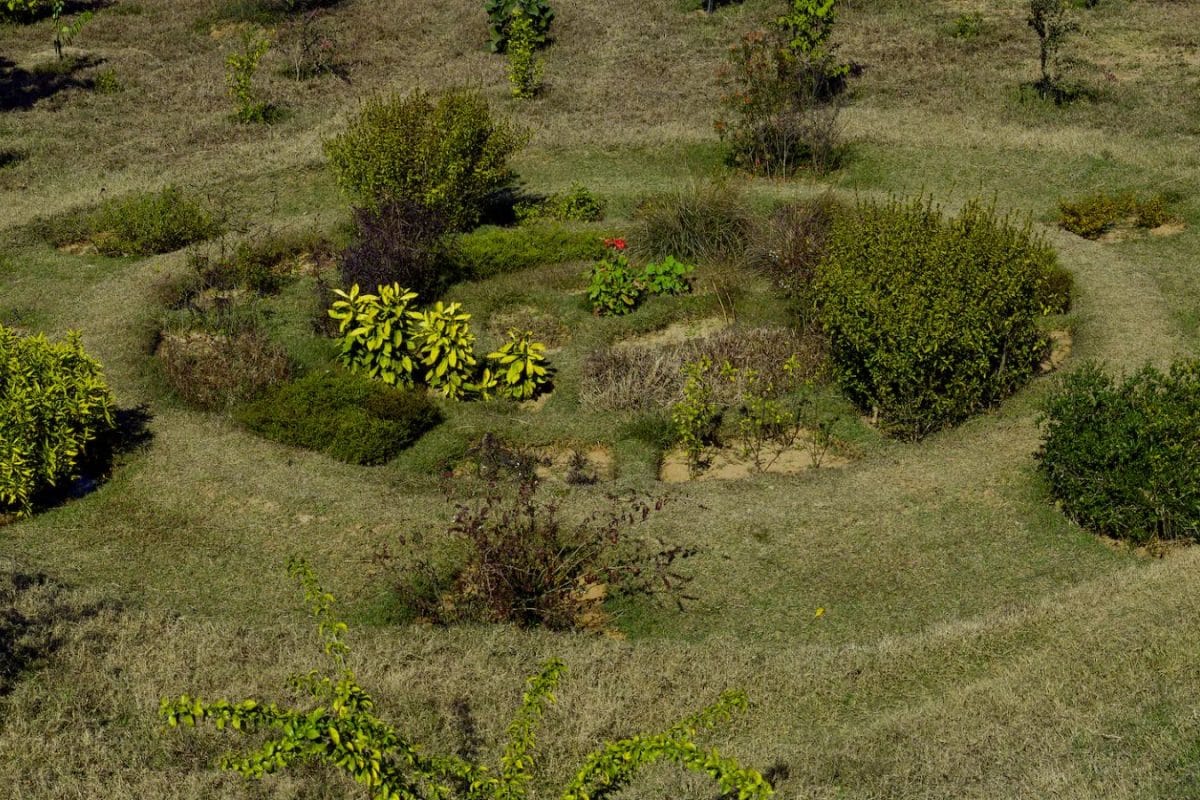
Restoration work has begun at Bengaluru’s neglected Hennur biodiversity park, marking a renewed push to revive degraded urban green spaces as the city confronts mounting environmental stress linked to rapid urbanisation and shrinking ecological buffers.The redevelopment initiative, backed by civic investment, aims to improve ecological landscaping, public access infrastructure and habitat restoration within the park area.
Urban environmentalists say the revival could play an important role in strengthening biodiversity protection and neighbourhood-level climate resilience in one of Bengaluru’s fast-expanding northern corridors.The Bengaluru biodiversity park project comes at a time when the city is facing increasing pressure on its natural ecosystems from large-scale real estate growth, infrastructure expansion and declining tree cover. Green spaces that once functioned as ecological buffers are increasingly fragmented or poorly maintained, affecting urban cooling, groundwater recharge and biodiversity survival.Environmental planners note that biodiversity parks serve functions extending far beyond recreation. In dense metropolitan regions like Bengaluru, such spaces can help reduce heat island effects, absorb stormwater runoff, support pollinator species and improve air quality in surrounding residential areas.The Hennur region has witnessed rapid transformation over the past decade, with extensive residential and commercial development reshaping formerly semi-urban landscapes.
Urban ecologists argue that restoring ecological infrastructure in growth corridors is becoming essential for balancing expansion with long-term environmental sustainability.Residents and citizen groups have previously raised concerns about neglect, encroachment risks and deteriorating conditions at the park site. Experts say prolonged underinvestment in urban green infrastructure often reduces public engagement with natural spaces, weakening both ecological protection and community stewardship.The Bengaluru biodiversity park restoration is also expected to improve public accessibility through walking paths, landscaping improvements and environmental education features. Urban health researchers increasingly link access to green spaces with improved mental wellbeing, physical activity and community interaction in high-density cities.However, conservation specialists caution that successful restoration requires long-term ecological management rather than cosmetic beautification alone. Native vegetation, water-sensitive landscaping and habitat-sensitive maintenance practices will be critical to ensuring the park functions as a resilient urban ecosystem rather than a purely ornamental public space.Climate experts argue that Indian cities must increasingly treat green infrastructure as essential civic infrastructure comparable to roads and drainage systems.
With Bengaluru experiencing rising temperatures, flooding risks and air quality concerns, ecological restoration projects are becoming central to climate adaptation planning.Authorities are expected to continue phased redevelopment activities in the coming months. Urban planners say the future success of the Bengaluru biodiversity park initiative could influence how the city approaches the preservation and restoration of other neglected ecological assets amid accelerating urban growth pressures.
Also Read:Bengaluru Inclusive Employment Platform Expands Job Access
