Hyderabad water maintenance signals network modernisation
A planned 24-hour disruption in water supply across several parts of Hyderabad has brought attention to the fragility of urban utility systems, as maintenance work by the Hyderabad Metropolitan Water Supply and Sewerage Board temporarily affected key residential and administrative zones. The shutdown, implemented from May 2 to May 3, reflects the growing challenge of maintaining ageing infrastructure in a rapidly expanding city.
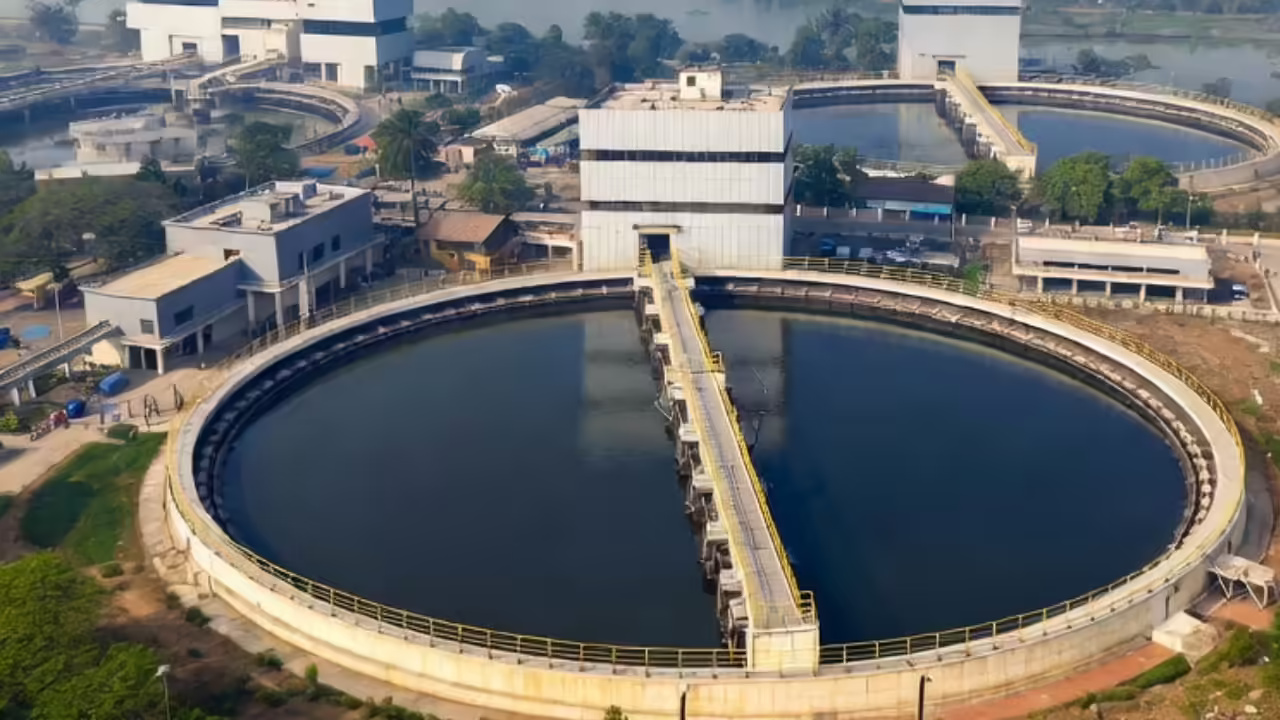
The interruption was necessitated by cleaning operations at an ageing balancing reservoir located at the Asifnagar filter beds, a critical node in the city’s water distribution network. Authorities indicated that such maintenance is essential to ensure long-term supply quality and system efficiency, even as it causes short-term inconvenience for residents. Neighbourhoods including Red Hills, Nampally, Mallepally, Banjara Hills, and parts of the Secretariat and Assembly zones experienced either complete shutdowns or reduced water pressure during the 24-hour window. Residents were advised to store water in advance and manage consumption carefully during the disruption period. While scheduled outages are a routine part of infrastructure upkeep, the scale and frequency of such interruptions are increasingly drawing scrutiny. Urban infrastructure experts point out that Hyderabad’s water systems are under pressure from both ageing assets and rising demand, particularly in central zones where legacy pipelines intersect with dense habitation and institutional use.The disruption also highlights a broader structural issue: the mismatch between infrastructure lifecycle planning and the pace of urban growth. As cities expand, older components such as storage tanks, pumping systems, and distribution lines require more frequent servicing, often without parallel investments in redundancy or backup systems.
This can lead to widespread service interruptions even during planned maintenance.For residents and businesses, the impact extends beyond inconvenience. Temporary water shortages can disrupt daily routines, affect small commercial establishments, and increase dependence on tanker supply—especially in mixed-use neighbourhoods. In high-density urban environments, even short interruptions can cascade into broader service challenges.From a governance perspective, such events underline the need for more resilient urban water systems. Experts advocate for decentralised storage, smart monitoring of infrastructure health, and phased maintenance strategies that minimise disruption. Investments in newer technologies—such as real-time leak detection and pressure management—are also seen as critical to improving reliability.The Hyderabad episode reflects a pattern visible across many Indian cities, where infrastructure built decades ago is being stretched to serve significantly larger populations. As climate variability and urban demand intensify, ensuring uninterrupted access to water will require not just expansion of supply, but modernisation of how systems are maintained and managed.
With further upgrades and expansion projects underway, the focus is likely to shift towards building redundancy into critical networks—so that essential services can continue even during repair cycles. For Hyderabad, balancing maintenance needs with service continuity will be key to sustaining both urban growth and citizen confidence in public utilities.