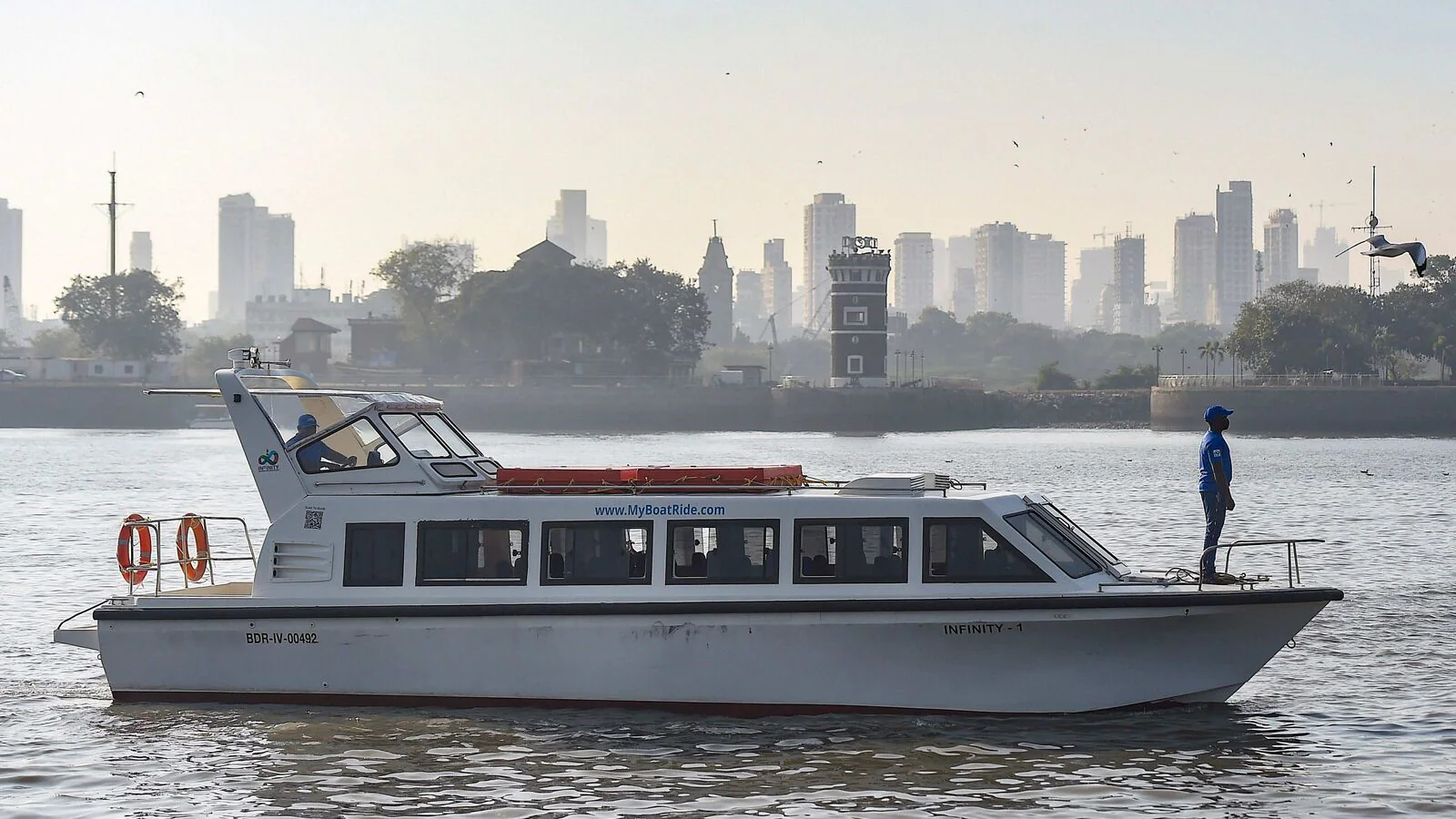
Mumbai Water Transit Moves Towards Digital Ticketing
Mumbai’s expanding water transport network is moving towards a digitally integrated commuter system as Maharashtra authorities accelerate plans for online ticketing across passenger ferry services in the Mumbai Metropolitan Region. The initiative marks a broader attempt to modernise urban mobility infrastructure while reducing congestion pressures on the region’s overstretched road and suburban rail corridors. The proposed digital platform is expected to bring together multiple passenger water transport services under a unified ticketing system, enabling commuters to access routes, schedules and fare payments through online channels. State transport and maritime officials reviewed the rollout strategy during a high-level meeting in Mumbai this week, where discussions focused on operational integration, commuter convenience and long-term scalability of the system.
Transport planners view the online ticketing system as a critical component in strengthening public confidence in water-based mobility. As Mumbai explores marine transit solutions to support future population growth and regional connectivity, experts say commuter experience and operational reliability will determine whether water transport can emerge as a practical alternative to land-based travel. Urban mobility specialists note that digital ticketing can improve transparency, reduce boarding delays and generate real-time passenger data that may help authorities optimise ferry frequency and route planning. Integrated systems are also expected to simplify multimodal connectivity by allowing smoother transitions between ferries, metro corridors, buses and suburban rail services. The Mumbai Metropolitan Region has increasingly turned towards coastal and harbour transport infrastructure to ease congestion across key transport arteries. Large-scale projects including the proposed Water Metro network and upgraded ferry terminals are being positioned as part of a broader low-emission mobility strategy for the region.
Transport economists suggest that efficient marine transit could help reduce travel times, lower fuel consumption and diversify commuting options in one of the world’s most densely populated urban regions. Officials involved in the planning process have also highlighted the need for workforce readiness and public engagement before implementation. Training modules for operational staff and technical teams are expected to form part of the rollout process to ensure smoother adoption across terminals and vessels. Public awareness campaigns are also likely to be launched to familiarise commuters with the online ticketing system and encourage wider use of water transport services. Industry observers say the success of the initiative will depend on integration rather than digitisation alone. Reliable schedules, seamless interchange points and affordable fares will be essential if authorities aim to shift commuters from private vehicles towards sustainable public transport alternatives.
The move comes as Indian cities increasingly invest in technology-driven mobility systems to support climate resilience and urban efficiency. For Mumbai, where transport infrastructure faces mounting pressure from rapid urbanisation and rising commuter volumes, the online ticketing system could become an early operational foundation for a larger transition towards cleaner and more connected waterfront mobility.