Hyderabad engineering fee dues raise policy concerns
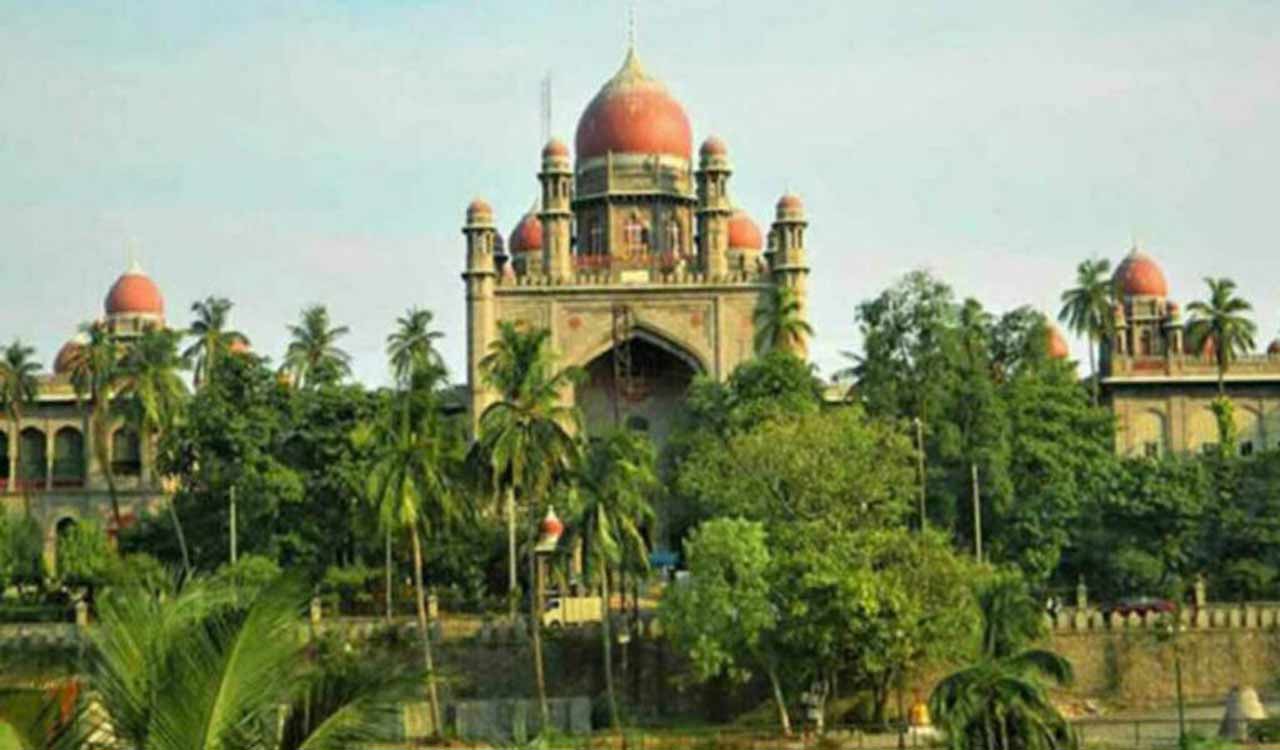
A directive from the Telangana High Court has brought renewed urgency to the state’s unresolved fee reimbursement backlog, asking authorities to define a clear timeline for clearing dues owed to engineering colleges. The development in Hyderabad comes at a critical juncture, with the upcoming academic cycle approaching and uncertainty continuing to affect students, institutions, and the broader education ecosystem.
The court’s intervention follows multiple petitions from private engineering colleges highlighting prolonged delays in reimbursements under state-supported education schemes. These dues, linked largely to students from economically weaker backgrounds, have accumulated over time, placing financial strain on institutions and disrupting operational stability. The court has now sought a structured response from the government outlining when and how these payments will be cleared.At the centre of the dispute is a transition in how fee support is delivered. Recent policy shifts propose routing funds directly to students through bank-linked transfers, requiring them to pay colleges upfront. While this model is intended to improve transparency, stakeholders argue that it risks excluding students who cannot afford initial payments, effectively reshaping access to professional education.The implications extend beyond campus finances. Education experts note that delayed reimbursements have already begun influencing enrolment patterns, with students increasingly opting for lower-cost degree programmes over engineering courses. Rising upfront costs, combined with uncertain reimbursement timelines, are making technical education less accessible for marginalised communities.For a city like Hyderabad—positioned as a major technology and knowledge hub—this shift carries long-term economic consequences.
Engineering institutions play a critical role in supplying skilled labour to sectors such as IT, infrastructure, and manufacturing. Disruptions in this pipeline could impact workforce readiness and, by extension, the city’s competitiveness in attracting investment.Urban policy analysts also point to the systemic nature of the issue. Fee reimbursement is not just an education subsidy but part of a broader social infrastructure framework that supports inclusive urban growth. Delays in such systems can ripple across sectors, affecting employment, housing stability, and migration patterns, particularly among first-generation learners.The High Court has also extended interim relief measures related to fee collection practices, reflecting concerns from both students and institutions navigating regulatory uncertainty.With outstanding dues reportedly running into thousands of crores and affecting a large network of colleges and students, the need for a predictable, transparent funding mechanism is becoming increasingly evident.
As the next academic year approaches, the focus now shifts to whether the state can restore confidence in the reimbursement system. For Hyderabad’s evolving urban economy, ensuring equitable access to technical education may prove as critical as building physical infrastructure.