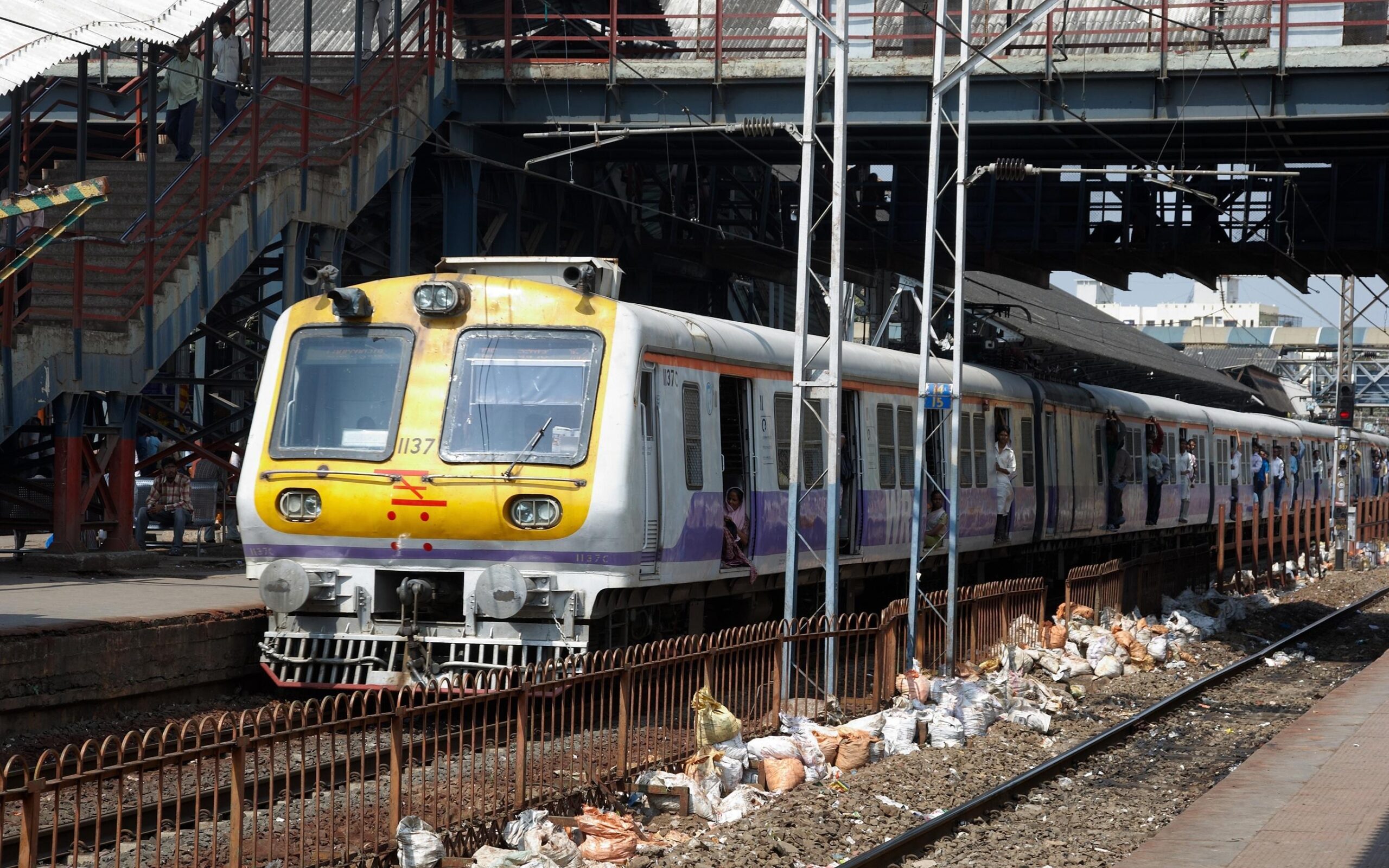
Mumbai Bandra Terminus Water Supply Disruption Affects Trains
A temporary suspension of water supply at Mumbai’s Bandra Terminus has exposed the fragile dependence of critical transport infrastructure on urban utilities, with ripple effects expected on train operations and passenger services. The disruption, linked to ongoing pipeline modification work by civic authorities, underscores the challenges of maintaining essential services in a city balancing infrastructure upgrades with rising demand. The halt in supply is a result of alterations being undertaken on a key trunk water pipeline, affecting both the terminus and the adjoining rail yard. While such upgrades are necessary to strengthen long-term water distribution networks, the immediate impact is being felt across railway operations that rely heavily on consistent water availability for sanitation, maintenance, and onboard services.
Railway officials indicate that the disruption is likely to affect routine cleaning of coaches and the replenishment of water in long-distance trains originating from Bandra Terminus. In response, contingency arrangements have been initiated, including redirecting train servicing activities to stations outside Mumbai. However, these alternatives face logistical constraints, particularly in terms of infrastructure capacity and water availability, raising concerns about operational efficiency. Urban infrastructure experts point out that transport hubs like Bandra Terminus function as high-intensity service nodes, requiring uninterrupted access to utilities such as water and electricity. Any disruption, even if temporary, can have cascading effects on commuter experience, hygiene standards, and service reliability. The situation also highlights the need for integrated planning between municipal agencies and transport authorities to ensure that essential services remain resilient during maintenance or upgrade works.
The issue emerges against a broader backdrop of tightening water resources in Mumbai, where reservoir levels and seasonal variability continue to influence supply decisions. Increasing reliance on tanker-based or redistributed supply during such disruptions adds both economic and environmental costs, including higher energy use and logistical emissions. For a city aiming to transition towards more climate-resilient systems, such stopgap measures point to structural gaps in infrastructure planning. Passengers may also face indirect challenges, including reduced availability of potable water within station premises and on trains. Reports of limited bottled water supply at railway stations in recent days further compound the situation, reflecting the interconnected nature of urban service systems. From a policy perspective, the disruption raises critical questions about redundancy planning in urban utilities. Experts argue that major transit points should be equipped with backup water systems, including storage and recycling mechanisms, to mitigate the impact of supply interruptions. Such measures align with sustainable urban development goals by reducing dependency on external sources and enhancing operational resilience.
As the pipeline work progresses, authorities are expected to monitor the situation closely and minimise inconvenience to commuters. The episode serves as a reminder that infrastructure modernisation must be accompanied by robust contingency frameworks, ensuring that essential services remain uninterrupted even during periods of transition.