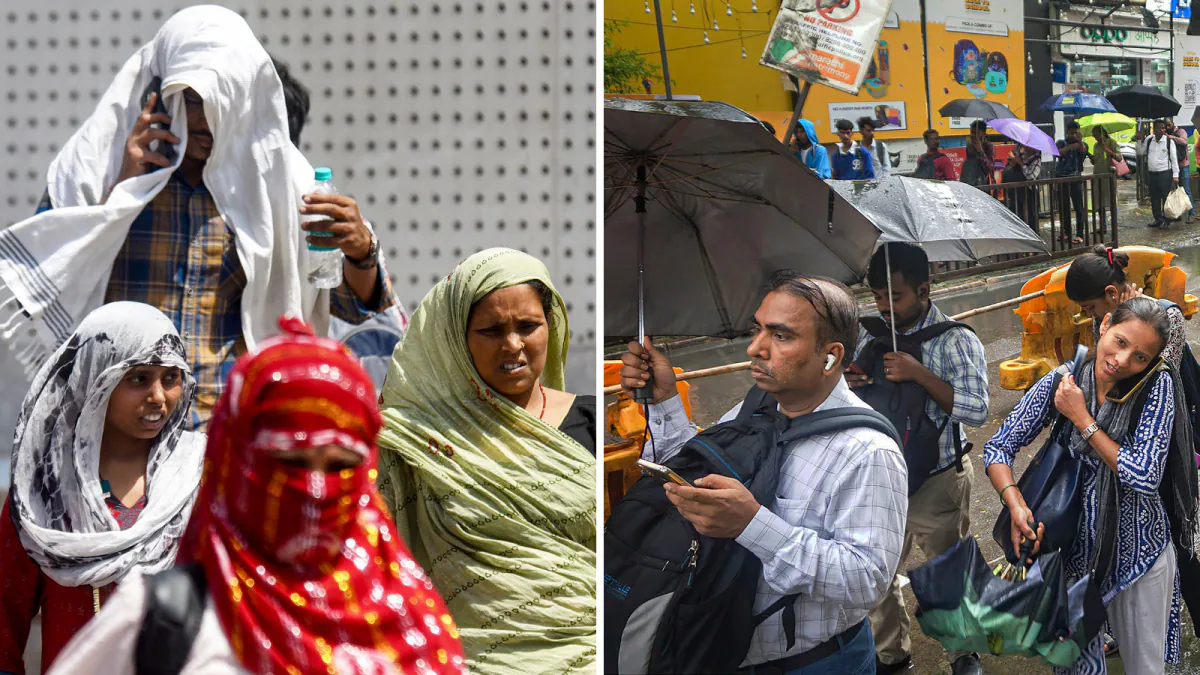
Maharashtra is bracing for a sharper rise in temperatures through May, with meteorological projections indicating intensifying heat conditions that could strain public health systems, disrupt daily life, and expose gaps in urban climate preparedness. Forecasts from the India Meteorological Department suggest that while the first week of the month may offer relatively milder conditions, temperatures are expected to climb significantly in the following weeks. The Maharashtra heat wave warning comes amid already rising daytime heat levels, with both urban and rural regions reporting increasing discomfort and reduced outdoor activity during peak afternoon hours.
Health officials have noted a gradual uptick in heat-related illnesses, including dehydration and heatstroke, particularly among vulnerable populations such as outdoor workers, the elderly, and low-income communities with limited access to cooling infrastructure. Urban planners emphasise that such patterns highlight the uneven distribution of climate resilience, where densely built neighbourhoods with minimal green cover tend to experience higher heat retention. The Maharashtra heat wave warning also draws attention to shifting climate dynamics across the state. Experts observe that heatwaves are becoming longer and more intense, often accompanied by elevated night-time temperatures and humidity. This reduces the body’s ability to recover from daytime heat, increasing cumulative stress on both individuals and infrastructure systems such as power supply and water networks. From an infrastructure perspective, prolonged heat places additional pressure on electricity demand due to increased use of cooling appliances, while simultaneously accelerating water consumption. In cities already facing seasonal shortages, this can deepen resource stress and widen inequalities in access.
The rise in minimum temperatures, particularly at night, further complicates energy efficiency efforts and affects overall urban liveability. Meteorological trends also indicate the possibility of localised rainfall towards the latter part of the month. While such events may provide temporary relief, they are unlikely to offset the broader heat trend. Instead, sporadic rainfall combined with high temperatures can increase humidity, making conditions feel more oppressive rather than comfortable. Urban climate specialists argue that the current forecast underscores the urgency of long-term adaptation measures. These include expanding urban green spaces, implementing reflective building materials, improving water management systems, and designing heat-resilient public infrastructure. Without such interventions, cities risk facing recurring cycles of heat stress that impact productivity, health, and economic activity.
As temperatures rise, authorities are expected to continue issuing advisories and monitoring conditions closely. For residents, the coming weeks will require adjustments in daily routines, particularly during peak heat hours. At a broader level, the Maharashtra heat wave warning serves as a reminder that climate resilience is no longer a future goal but an immediate necessity for sustainable urban development.