Maharashtra Weather Shift Offers Short Term Cooling
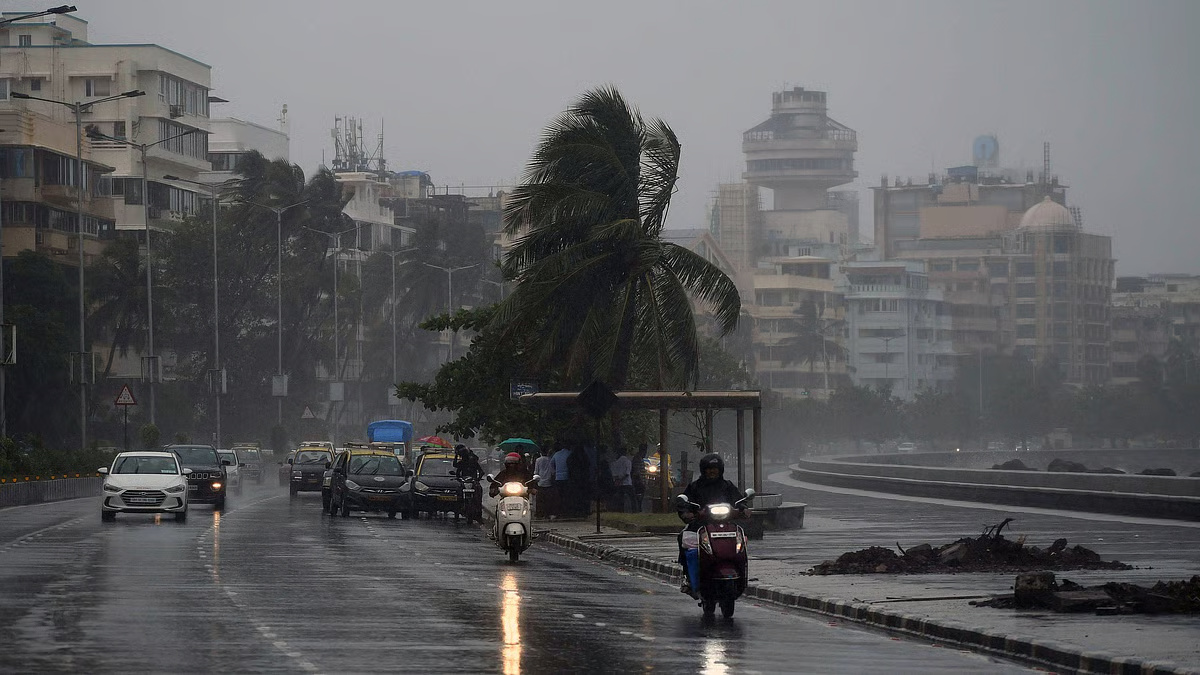
A shift in weather patterns across Maharashtra is expected to bring short-term relief to heat-stressed regions, particularly in Vidarbha, where forecasted rainfall and thunderstorms may temporarily ease extreme temperatures while highlighting the growing volatility of pre-monsoon climate conditions. According to the India Meteorological Department, a western disturbance moving across central India is likely to trigger scattered rain activity over eastern districts for the next few days. The development comes as several parts of Vidarbha continue to record temperatures exceeding 40 degrees Celsius, raising concerns about heat stress and public health.
Districts such as Yavatmal, Wardha, and Chandrapur are expected to witness rainfall initially, with the weather system extending its influence to Nagpur, Amravati, and Gadchiroli over the following day. While alerts remain moderate, the combination of thunderstorms and gusty winds could disrupt local mobility and agricultural activities, particularly in semi-urban and rural belts. Urban planners and climate experts note that such erratic weather behaviour—where heatwaves are punctuated by sudden rainfall—is becoming increasingly common due to shifting atmospheric conditions. For cities and towns across Vidarbha, this variability complicates infrastructure planning, especially in sectors like water management, drainage, and power supply. Despite the anticipated rainfall, heatwave conditions have not fully subsided. Recent observations indicate persistently high daytime temperatures, with marginal declines offering limited relief. Authorities have issued advisories in select districts warning of continued heat exposure risks, even as rainfall activity begins.
From an urban systems perspective, the expected temperature dip—projected at around one to three degrees Celsius over the coming days—may reduce immediate cooling demand in residential and commercial areas. However, experts caution that such short-lived changes do little to address underlying climate vulnerabilities, particularly in rapidly expanding cities where green cover remains limited and heat retention is high. The situation also underscores the need for integrated climate-responsive planning. Rainfall during peak summer months can strain drainage systems not designed for sudden inflows, leading to localised flooding in low-lying urban pockets. Simultaneously, inconsistent rainfall patterns affect water storage strategies, making it difficult for civic bodies to maintain stable supply levels ahead of the monsoon. Looking ahead, meteorological assessments suggest that early May may continue to see fluctuating weather conditions, with intermittent cooling followed by a return to above-normal temperatures in some regions. For residents, this means preparing for both heat and sudden rain events within short intervals.
As Maharashtra transitions towards the monsoon season, the evolving weather pattern highlights a broader challenge: adapting urban infrastructure and public services to increasingly unpredictable climate cycles. Ensuring resilience will depend not only on short-term forecasts but also on long-term investments in sustainable, climate-sensitive urban development.