


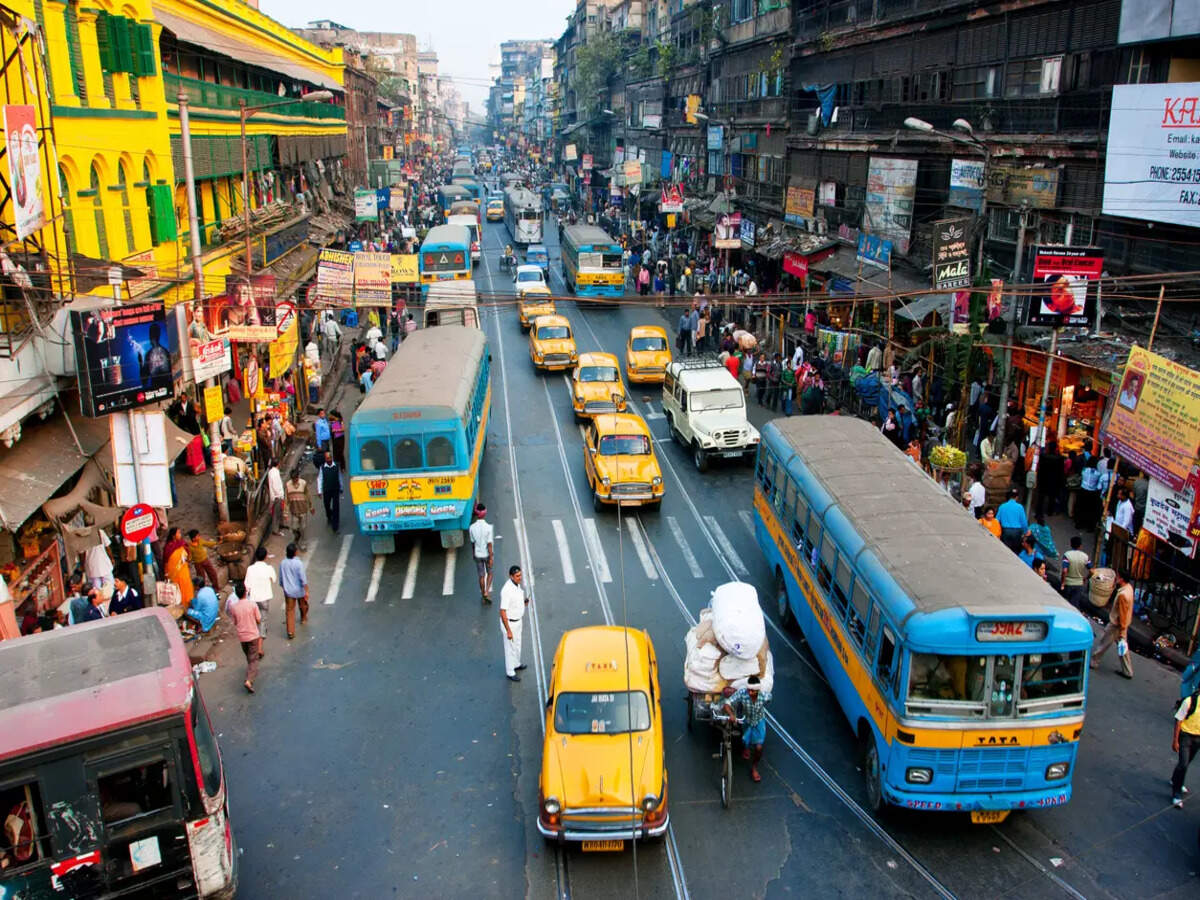
A sharp reduction in bus availability in Kolkata has disrupted daily commuting patterns, as a significant portion of the fleet has been diverted for election-related duties. The resulting Kolkata bus crisis has exposed the fragility of urban mobility systems that rely heavily on road-based public transport.
With fewer buses operating on regular routes, commuters across the city have faced longer waiting times, overcrowded vehicles, and limited travel options during peak hours. For many residents—particularly those without access to private transport—buses remain the most affordable and accessible mode of travel. The current disruption has therefore had a disproportionate impact on lower-income groups and daily wage workers.Urban mobility experts point out that the Kolkata bus crisis reflects a broader issue of capacity constraints in public transport systems. When a single operational requirement, such as election deployment, can significantly reduce service availability, it indicates a lack of redundancy in the network.Building more resilient systems will require additional fleet capacity and better contingency planning.The situation has also led to increased reliance on alternative modes such as auto-rickshaws and taxis, contributing to higher travel costs and greater road congestion. This shift not only affects commuter affordability but also has environmental implications, as increased use of smaller vehicles can raise emissions and reduce overall transport efficiency.
From a planning perspective, the disruption highlights the need for diversified and integrated transport networks. Strengthening metro, suburban rail, and non-motorised transport options can help cities absorb shocks when one mode faces constraints. In Kolkata’s case, improving coordination between different transport systems could reduce the burden on buses during periods of high demand.The Kolkata bus crisis also raises questions about the balance between administrative requirements and essential urban services.While election logistics are critical, experts argue that maintaining baseline public transport services should be a priority to ensure that daily life in cities is not significantly disrupted.There are economic consequences as well. Delays in commuting can affect productivity, while increased travel costs place additional strain on household budgets. Small businesses that depend on steady customer flow may also experience reduced footfall during such disruptions.Policy analysts suggest that long-term solutions could include expanding the public bus fleet, introducing flexible routing systems, and leveraging digital tools for real-time service management. Additionally, partnerships with private operators could provide supplementary capacity during peak demand periods.
As Kolkata navigates the immediate challenges of reduced bus availability, the episode serves as a reminder of the importance of resilient and inclusive urban transport systems. Addressing these gaps will be essential to ensure that cities can maintain mobility even during periods of administrative or operational stress.Looking ahead, the lessons from the Kolkata bus crisis could inform future planning, helping build a transport network that is better equipped to handle both routine demand and unexpected disruptions.
Also Read:Kolkata Metro IIT Madras Collaboration Drives Rail Innovation
