


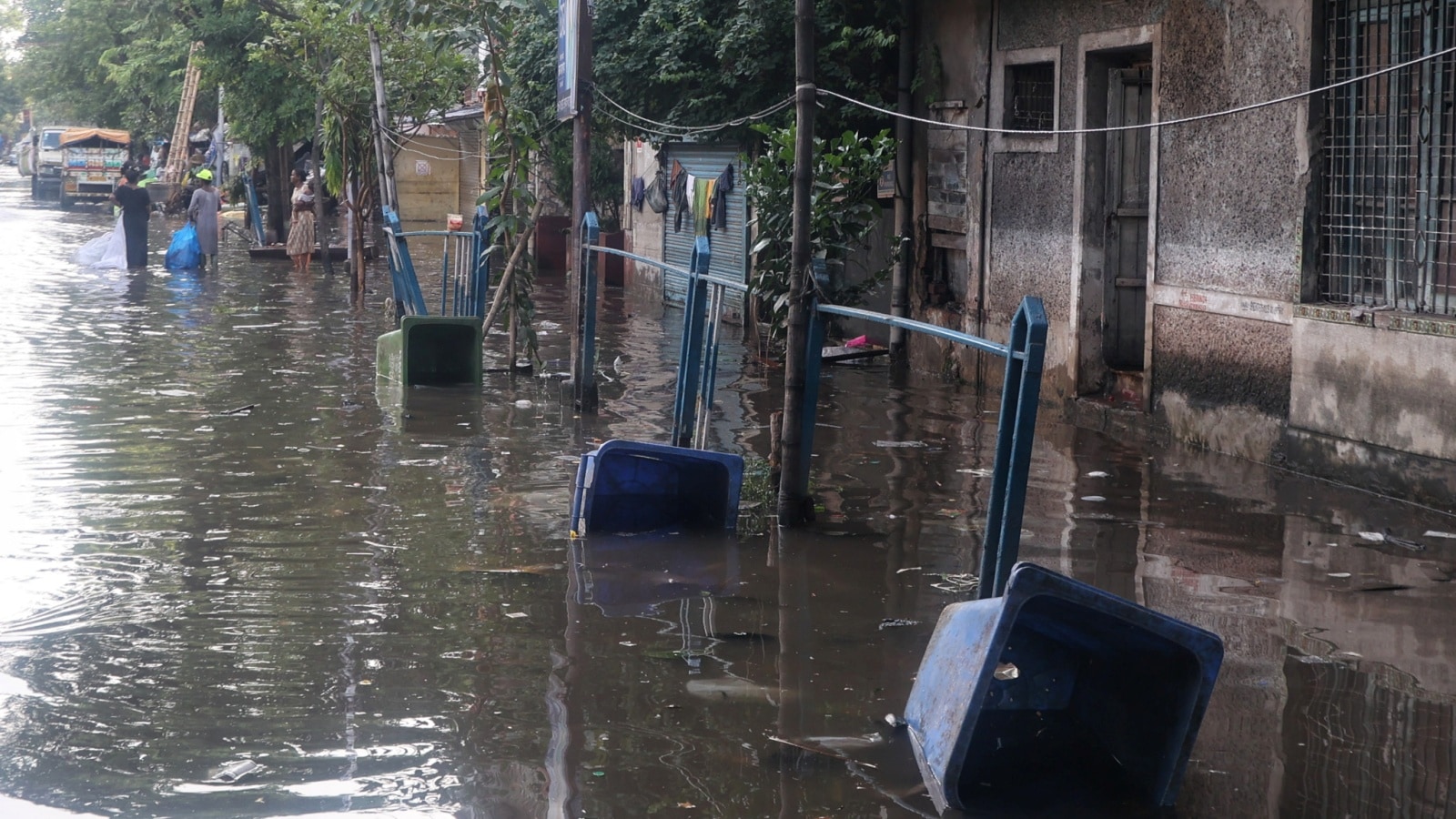
An intense spell of seasonal storms has pushed Kolkata into recording one of its wettest April days in over a decade, underscoring growing concerns around Kolkata rainfall variability and climate unpredictability. The sudden surge in precipitation, driven by strong nor’wester systems, disrupted daily life while highlighting the city’s vulnerability to extreme weather events.
Meteorological patterns indicate that nor’westers—typically brief but intense pre-monsoon storms—are becoming increasingly erratic in both timing and intensity. This recent spike in Kolkata rainfall reflects a broader trend observed across eastern India, where climate variability is altering long-established seasonal cycles. For urban centres, such deviations can strain infrastructure that is often calibrated for more predictable weather conditions.The immediate impact was visible across low-lying neighbourhoods, where waterlogging slowed traffic movement and affected pedestrian mobility. Urban planners point out that Kolkata’s drainage systems, many of which date back decades, face mounting pressure during sudden high-intensity rainfall events. While the city has undertaken upgrades in recent years, the pace of climate change is testing the resilience of these interventions.Experts in urban climate resilience argue that extreme rainfall episodes, even outside the monsoon season, must now be treated as a planning baseline rather than anomalies.Integrating climate-responsive design into infrastructure—from permeable surfaces to enhanced stormwater management systems—will be critical in reducing flood risks.
The rise in Kolkata rainfall intensity also calls for better forecasting and early warning systems to minimise disruption and safeguard vulnerable communities.Beyond infrastructure, such weather events have economic implications. Disruptions to transport networks can affect productivity, while repeated waterlogging can damage roads, utilities, and local businesses. For a dense metropolitan economy like Kolkata, even short-term interruptions can have cascading effects on daily wage workers and informal sector participants.Environmental analysts also highlight the role of urbanisation in amplifying the impact of heavy rainfall. The reduction of open spaces, wetlands, and natural drainage channels has limited the city’s capacity to absorb excess water. Restoring and protecting these ecological buffers could play a key role in managing future rainfall extremes while contributing to broader climate adaptation strategies.The episode adds to a growing body of evidence that Indian cities must recalibrate their approach to weather resilience. As rainfall patterns become less predictable, investments in adaptive infrastructure, data-driven planning, and community preparedness will be essential.
With climate models pointing towards more frequent extreme weather events, Kolkata’s recent experience serves as a reminder that urban resilience is no longer a long-term goal but an immediate necessity. Strengthening systems today will determine how effectively cities can navigate the uncertainties of tomorrow.
Also Read:Kolkata ICSE Results Highlight Shift To Critical Thinking

