Mumbai Metro Line 6 Bridge Milestone Boosts Connectivity
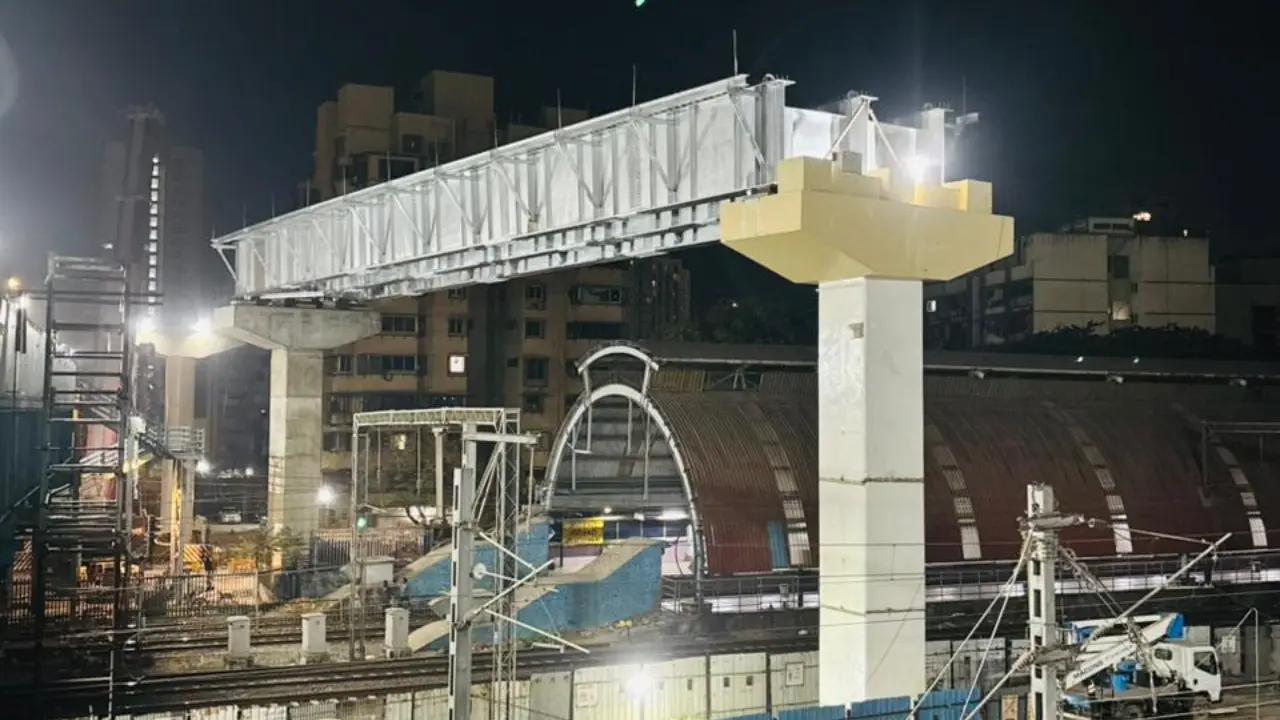
Mumbai’s east–west mobility network has taken a significant step forward with a complex structural installation completed along the under-construction Metro Line 6 corridor. The development, executed over one of the city’s busiest suburban railway stretches, is expected to accelerate project timelines and strengthen connectivity between key residential and commercial zones. The latest milestone involves the placement of a long-span structural bridge linking sections between Jogeshwari and Goregaon, constructed above operational railway tracks without disrupting daily train services. For a city where rail networks serve as economic lifelines, such engineering coordination reflects the growing sophistication required to expand infrastructure within dense urban environments.
Metro Line 6, also known as the Pink Line, is designed to address long-standing gaps in east–west transit connectivity. Stretching across Mumbai’s northern suburbs, the corridor aims to link major arterial routes, including the Western and Eastern Express Highways. Once operational, the line is expected to ease pressure on heavily congested road corridors, particularly the Jogeshwari–Vikhroli Link Road, where peak-hour travel remains unpredictable. Urban mobility experts highlight that the Mumbai Metro Line 6 project is critical not only for reducing commute times but also for reshaping travel patterns. By integrating with multiple existing and upcoming metro corridors, the line will enable seamless interchanges, potentially shifting a significant share of commuters away from private vehicles. This transition is central to reducing congestion, lowering emissions, and improving air quality in one of India’s most densely populated cities. From a construction standpoint, executing infrastructure over live railway lines presents considerable logistical challenges. Engineers had to work within limited space while maintaining safety standards and ensuring uninterrupted train operations. Such projects often require night-time interventions, specialised equipment, and coordination across agencies, reflecting the complexity of building transport systems in already saturated urban corridors.
The Mumbai Metro Line 6 corridor has now achieved a substantial proportion of its civil works, signalling entry into its final stages. Alongside track laying and station development, attention is gradually shifting to systems integration, including signalling, power supply, and passenger amenities. These elements will determine the operational efficiency and reliability of the line once it opens to the public. For residents, the most immediate impact is expected in travel time reduction. Journeys that currently take over an hour during peak congestion could be significantly shortened, improving access to jobs, education, and services across the city. This has broader economic implications, as faster and more predictable commutes can enhance productivity and influence real estate patterns along transit corridors. However, planners caution that infrastructure expansion must be complemented by last-mile connectivity and equitable access. Without these, the full benefits of large-scale metro investments may not reach all sections of the population.
As Mumbai continues to expand its metro network, projects like Mumbai Metro Line 6 illustrate the city’s attempt to balance rapid growth with sustainable mobility solutions. The coming months will be crucial in determining how effectively this corridor integrates into the broader urban transport ecosystem.