Mumbai Region Polluting Industries Cross Fifty Percent
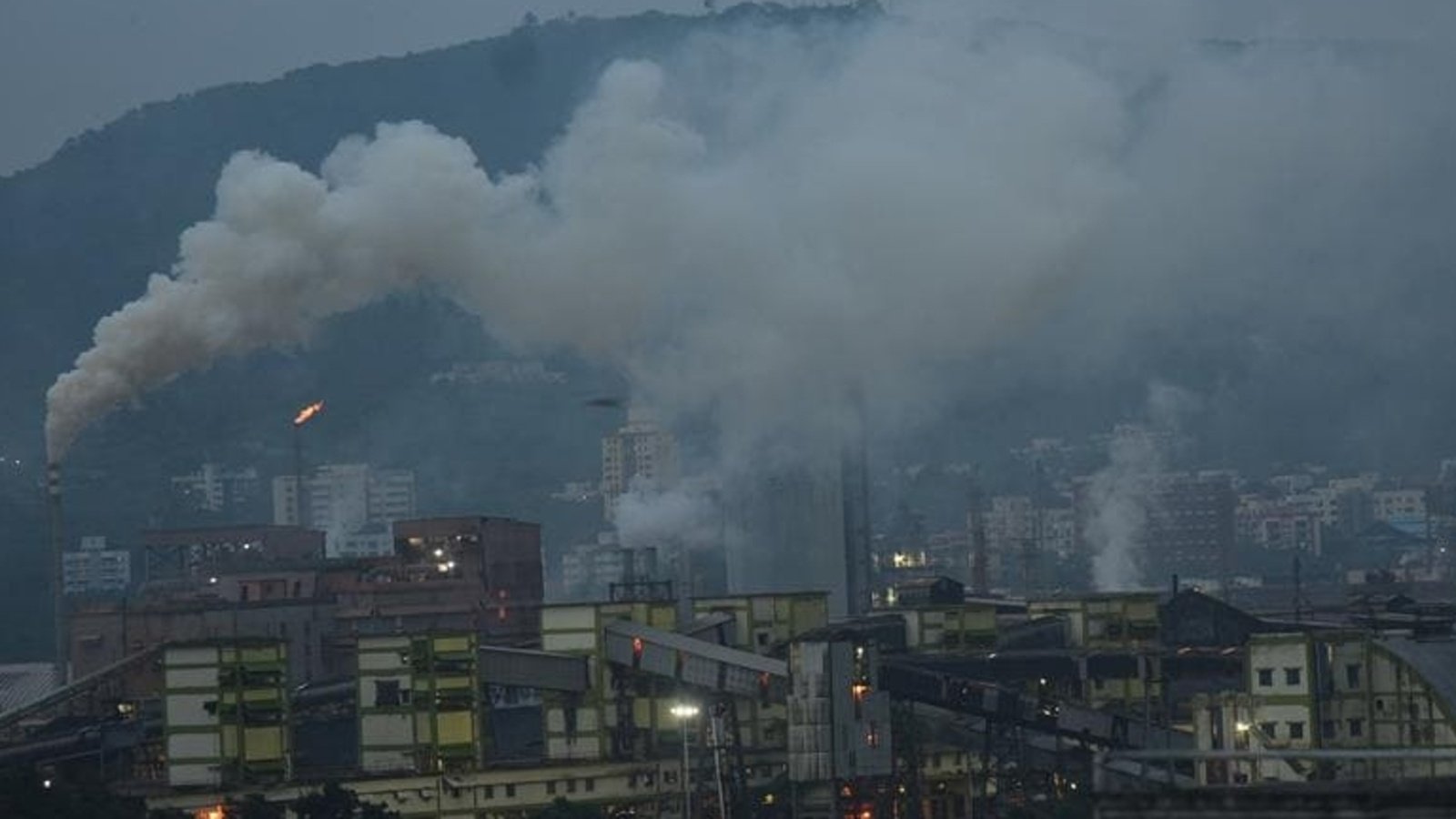
A growing share of industrial activity across the Mumbai Metropolitan Region is falling under pollution-intensive categories, raising concerns over environmental sustainability and public health in one of India’s most densely populated urban corridors. Recent data from state authorities indicates that more than half of the region’s industrial units are now classified as either moderately or highly polluting, prompting calls for tighter oversight and financial penalties. The scale of the challenge is significant. Out of over 34,000 registered industrial units across the Mumbai region, close to 19,000 fall into pollution categories associated with measurable environmental risk. These classifications are based on a pollution index that assesses emissions and effluents, with higher scores indicating greater impact on air, water, and soil systems. The prevalence of Mumbai region polluting industries reflects the tension between rapid industrialisation and ecological limits.
Spatial patterns reveal that industrial belts in peripheral zones are particularly affected. Areas such as Kalyan and its adjoining clusters account for a substantial concentration of high-risk units, with a large share falling into categories linked to severe environmental damage. Navi Mumbai, Thane–Palghar, and Raigad also contribute significantly to the tally, highlighting how pollution pressures are dispersed across the metropolitan region rather than confined to a single industrial hub. Environmental analysts note that the persistence of Mumbai region polluting industries has implications beyond regulatory compliance. Air quality degradation, contamination of water bodies, and cumulative ecological stress can directly affect urban liveability, especially for communities located near industrial zones. The Ulhas river basin, for instance, has been repeatedly flagged for pollution concerns, reflecting long-standing gaps in enforcement and monitoring. Authorities are now considering a stricter framework that links environmental performance to financial accountability. Proposals under review include higher penalties and increased financial guarantees for industries that fail to meet pollution control standards.
Officials suggest that such measures could incentivise cleaner production methods while discouraging non-compliance. However, industry experts caution that enforcement consistency and transparency will be critical to ensuring meaningful impact. The issue also intersects with broader questions of urban planning and economic growth. Industrial expansion has historically been a key driver of employment and regional development in the Mumbai metropolitan area. Yet, as cities move towards climate-resilient and low-carbon pathways, balancing economic activity with environmental safeguards is becoming increasingly complex. Urban planners argue that future growth must prioritise cleaner technologies, decentralised industrial zones, and stronger waste management systems. Only a small fraction of industrial units currently fall into the lowest pollution category, underscoring the scale of transition required. Without systemic changes, experts warn that environmental degradation could undermine long-term economic stability and public health outcomes.
As regulatory measures evolve, the coming months are expected to determine whether policy shifts can effectively address the concentration of Mumbai region polluting industries. The challenge lies not just in penalising non-compliance, but in enabling a structural shift towards sustainable industrial practices across the region.