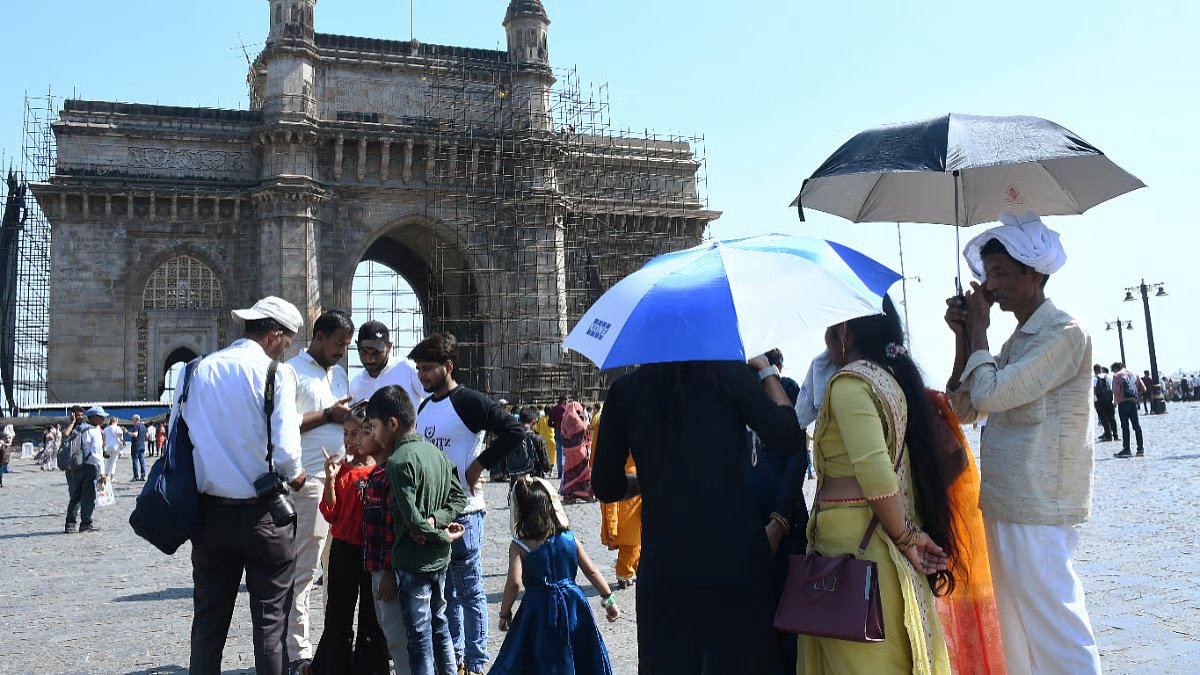
Mumbai Weather Shift Lowers Heat Stress Across Region
Mumbai is expected to see a moderation in extreme weather conditions this week, with forecasts indicating a drop in daytime temperatures following a prolonged spell of heat and humidity. The shift is significant for a city already grappling with rising urban heat stress, as it offers temporary relief while underscoring deeper climate vulnerabilities. According to meteorological projections, maximum temperatures are likely to stabilise around the mid-30s Celsius range over the coming days. This marks a notable decline from recent peaks that pushed several monitoring stations close to 39 degrees Celsius, intensifying discomfort across Mumbai and neighbouring districts.
Weather experts attribute the earlier surge to persistent atmospheric patterns, including anti-cyclonic conditions that limited cloud formation and allowed dry, hot winds to dominate. These systems often amplify heat retention in dense urban areas, where built surfaces trap and re-radiate heat, worsening what is commonly described as the urban heat island effect. The anticipated Mumbai temperature dip is therefore not just a short-term weather event but a reminder of how quickly climatic conditions can fluctuate in coastal megacities. Urban planners highlight that such variability places added strain on public health systems, energy consumption, and water demand. During peak heat days, electricity usage typically rises due to cooling needs, while outdoor workers face increased exposure risks. Although official weather alerts have been withdrawn, experts caution that the easing temperatures should not be interpreted as a sustained trend. April historically remains one of the hottest months for Mumbai, often marked by intermittent pre-monsoon activity. Occasional thunderstorms may develop in parts of the Konkan region, though forecasts suggest largely dry conditions within the city.
The Mumbai temperature dip also aligns with broader seasonal transitions, as the region gradually approaches the southwest monsoon cycle. However, climate scientists note that pre-monsoon periods are becoming increasingly erratic, influenced by larger global phenomena such as ocean temperature variations. These shifts can lead to sharper heat spikes followed by sudden cooling phases, complicating urban preparedness strategies. For cities like Mumbai, where infrastructure and population density amplify environmental stress, the focus is increasingly shifting towards long-term resilience. Measures such as expanding green cover, improving building design for passive cooling, and strengthening early warning systems are being discussed as part of climate adaptation frameworks. From an economic perspective, fluctuations in temperature also impact productivity, transport efficiency, and construction activity. Short-term relief may ease operational pressures, but recurring heat events continue to pose risks to urban growth and liveability.
As the city experiences this temporary easing, the larger challenge remains: adapting to a climate reality where extreme heat and sudden variability are becoming more frequent. The coming weeks, leading into the monsoon season, will test how effectively Mumbai balances immediate relief with long-term preparedness.