


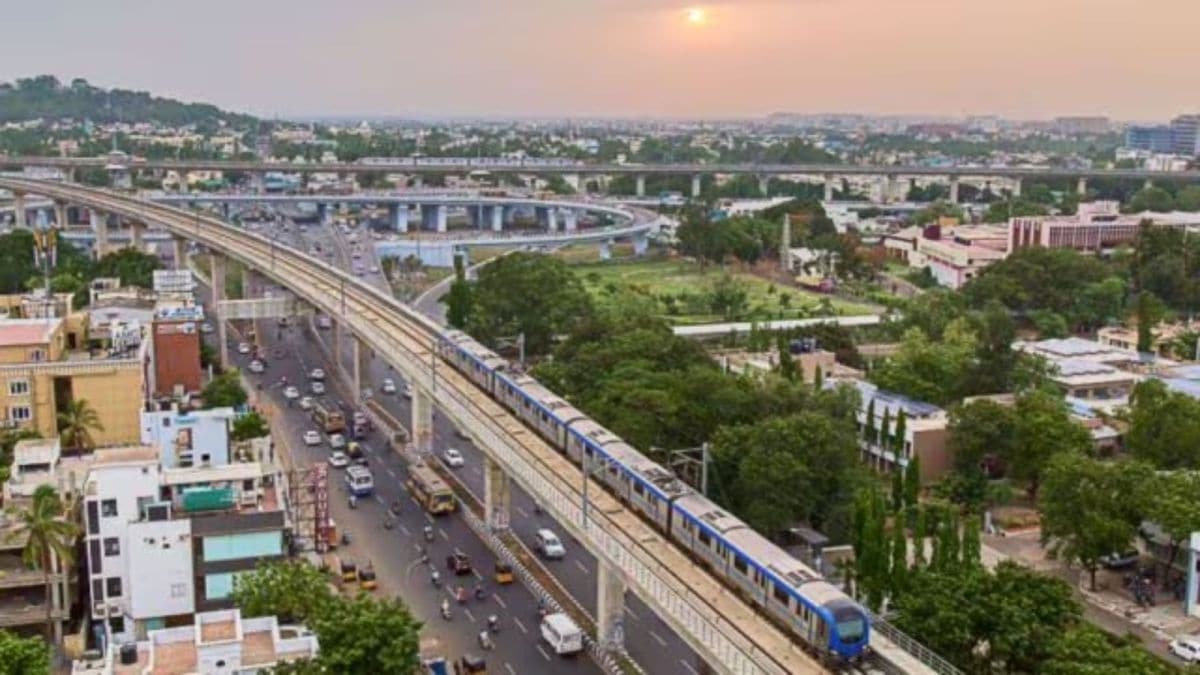
Chennai’s metro rail expansion is set to move into a critical construction phase, with track-laying work scheduled to begin on a key urban stretch connecting Kodambakkam Power House to Panagal Park. The development marks steady progress in the city’s efforts to strengthen mass transit infrastructure and improve connectivity across densely populated neighbourhoods.
The upcoming phase involves laying tracks along an important corridor that is expected to enhance east–west mobility and reduce dependence on road-based transport. Once operational, the stretch is likely to ease travel across commercial and residential zones that currently experience heavy congestion, particularly during peak hours.Urban mobility experts view the advancement of track work as a crucial milestone in metro projects, signalling a transition from civil construction to operational readiness. For Chennai, where traffic congestion and travel time remain persistent challenges, expanding metro connectivity is central to building a more efficient and sustainable transport system.The corridor is part of a broader network expansion aimed at improving accessibility across the city. By linking key transit points and high-density areas, the metro system is expected to offer a reliable alternative to private vehicles and overcrowded bus routes.This shift can contribute to reduced emissions and improved air quality, aligning with long-term climate and sustainability goals.From an economic standpoint, metro expansion often acts as a catalyst for urban development.
Improved connectivity can boost property values, attract commercial investment and stimulate local businesses along the corridor. Areas around stations typically witness increased activity, leading to changes in land use patterns and urban density.However, construction phases also bring temporary disruptions. Residents and commuters in the affected areas may face traffic diversions, noise and limited access during the execution period. Managing these impacts through effective planning and communication will be essential to minimise inconvenience and maintain public support for the project.Infrastructure experts emphasise the importance of integrating metro expansion with other modes of transport.Seamless connectivity with buses, suburban rail and last-mile options can significantly enhance the usability of the system, ensuring that the benefits of improved infrastructure are widely accessible.There are also considerations around urban design and inclusivity. Station areas and surrounding public spaces need to be planned to accommodate pedestrians, cyclists and differently abled users, ensuring that the metro system serves a diverse population.Thoughtful design can transform transit corridors into vibrant, accessible urban spaces.For Chennai, the progression of this metro corridor reflects a broader commitment to modernising its transport network in response to rapid urban growth.
As the city continues to expand, investments in high-capacity public transport are critical to maintaining mobility and supporting economic activity.Looking ahead, the success of the project will depend not only on timely completion but also on how effectively it integrates into the city’s overall mobility ecosystem. Strengthening connectivity, ensuring affordability and maintaining service reliability will be key to maximising the long-term impact of Chennai’s metro expansion.
Also Read:Chennai bus services expanded after commuter chaos
