


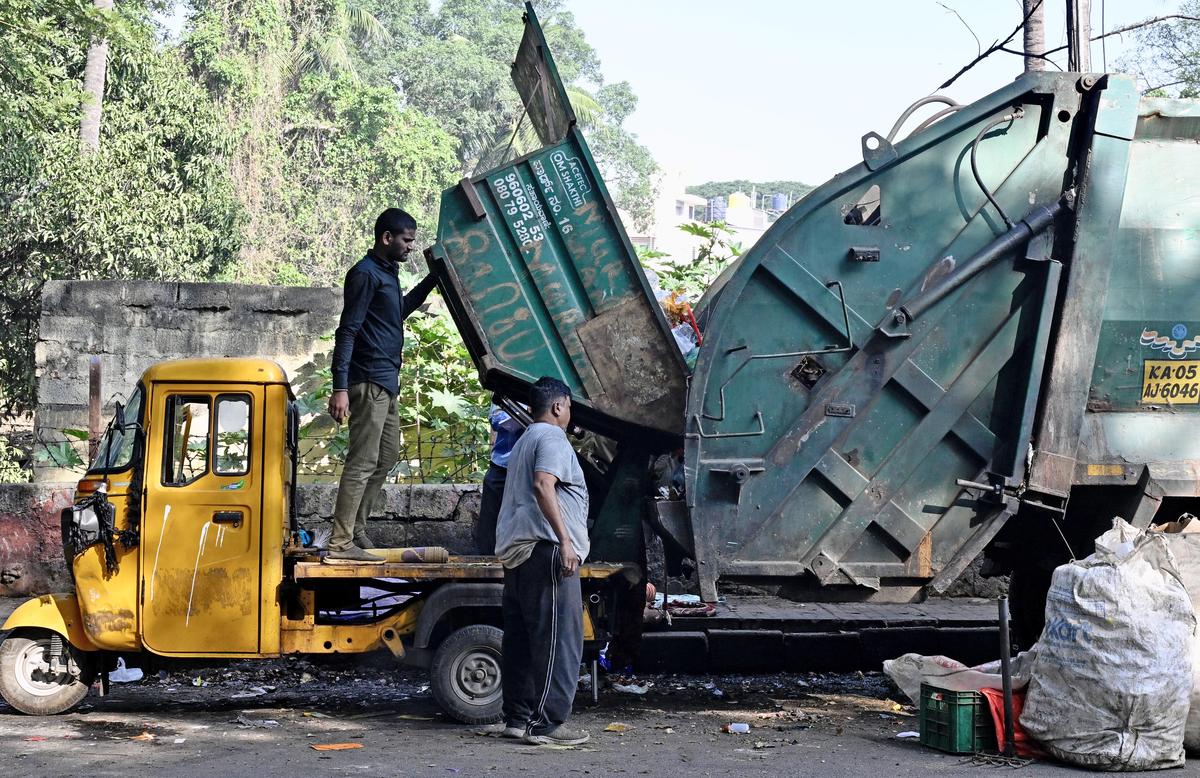
Sanitation workers form the backbone of Bengaluru’s public health infrastructure, ensuring daily waste collection and maintaining burial grounds—services critical to the city’s functioning. However, irregular payment cycles have disrupted livelihoods, with workers reportedly going months without salaries.
For many, this has translated into financial distress, forcing them to rely on informal borrowing or cut back on basic household expenses.Urban governance experts point out that such payment delays are often linked to administrative bottlenecks, including delayed fund disbursement, contractual complexities and gaps in coordination between civic agencies and private contractors. In cities where essential services are partly outsourced, accountability can become fragmented, increasing the risk of wage disruptions.The implications extend beyond worker welfare. Disruptions in payment can affect workforce morale and efficiency, potentially impacting the reliability of waste management systems. In a city already grappling with waste segregation challenges and landfill pressures, any instability in sanitation services can quickly escalate into broader public health concerns.From a sustainability perspective, ensuring fair and timely compensation for sanitation workers is integral to building resilient urban systems. Waste management is a key component of climate-responsive city planning, influencing everything from emissions reduction to resource recovery.
Without a stable workforce, efforts to improve segregation, recycling and landfill diversion are likely to falter.The situation also highlights the socio-economic vulnerabilities embedded within urban labour systems. Sanitation workers, often operating in informal or semi-formal employment structures, have limited financial security and access to social protection.Payment delays exacerbate these vulnerabilities, underscoring the need for stronger labour safeguards within municipal frameworks.There are broader governance questions at play. As Bengaluru continues to invest in infrastructure and technology-driven solutions, gaps in basic service delivery mechanisms reveal an imbalance in priorities. Experts argue that strengthening foundational systems—such as payroll management and contract oversight—is as critical as advancing smart city initiatives.Residents, too, are indirectly affected. Any disruption in waste collection or maintenance services can lead to immediate environmental and hygiene issues, particularly in densely populated neighbourhoods. This reinforces the interconnected nature of urban systems, where worker welfare directly influences city liveability.Calls are growing for more transparent and accountable mechanisms to ensure timely wage disbursement. Suggestions include digitised payment tracking, direct benefit transfers and clearer contractual obligations for service providers. Such measures could help reduce delays and improve trust between workers and civic authorities.
As Bengaluru navigates these challenges, the situation serves as a reminder that sustainable urban development must prioritise both infrastructure and the people who operate it. Ensuring reliable wages for sanitation workers is not just a labour issue but a fundamental requirement for maintaining a functional, equitable and resilient city.
Also Read:Bengaluru heatwave impacts small vendors livelihoods
