


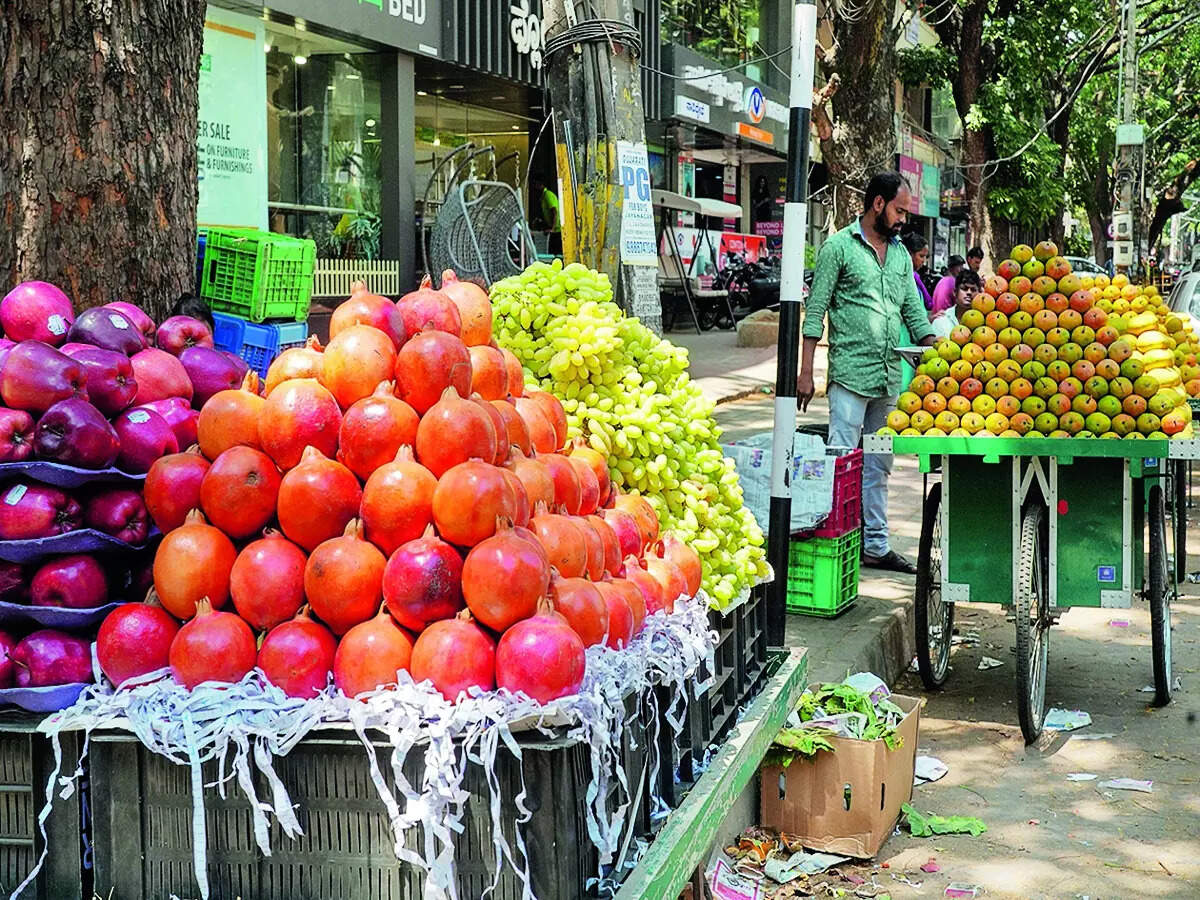
Rising temperatures across Bengaluru are beginning to take a visible toll on the city’s informal retail economy, with small vendors reporting declining footfall, shorter working hours and mounting health concerns. The impact is being felt across traditional markets and neighbourhood streets, where daily earnings are closely tied to weather conditions and pedestrian activity.
Street vendors, who form a critical part of Bengaluru’s urban economy, are particularly vulnerable to prolonged heat exposure. Many operate without access to shaded infrastructure, cooling systems or reliable water supply, making it difficult to sustain long hours outdoors. As daytime temperatures climb, several vendors are either reducing their operating time or shifting to early morning and late evening schedules, affecting income stability.Urban economists highlight that heat stress is emerging as a significant but under-recognised factor influencing informal sector productivity. In cities like Bengaluru, where a large segment of the workforce depends on outdoor activities, rising temperatures can directly translate into reduced economic output. For small vendors, even minor disruptions in daily sales can have immediate financial consequences.The situation also underscores broader challenges in urban design. Markets and street vending zones are often planned with limited consideration for climate resilience.Lack of shaded walkways, green cover and heat-mitigating materials intensifies the urban heat island effect, making commercial areas significantly hotter than surrounding regions. Experts argue that integrating climate-sensitive design into public spaces is no longer optional but essential.Public health concerns are equally pressing.
Prolonged exposure to high temperatures increases the risk of dehydration, heat exhaustion and other health issues, particularly for workers without access to rest areas. For many vendors, taking breaks is not economically viable, creating a difficult trade-off between health and livelihood.The ripple effects extend to consumers as well. Reduced vendor presence and altered timings can affect the availability of affordable goods, particularly in lower-income neighbourhoods that rely heavily on informal retail. This highlights the interconnected nature of urban systems, where climate impacts on one sector can influence broader access to services.Urban planners suggest that mitigating these challenges requires a combination of immediate and long-term measures. Short-term interventions could include providing temporary shading structures, access to drinking water and designated rest areas in busy markets. Over the longer term, redesigning public spaces with heat-resilient materials, increased tree cover and better ventilation can help create more sustainable environments for both vendors and consumers.There is also a growing call for policy frameworks that recognise climate risks within the informal economy. Extending social protection measures and integrating vendors into urban resilience planning could help reduce vulnerability and improve adaptive capacity.
As Bengaluru continues to experience rising temperatures, the challenges faced by small vendors offer a stark reminder of how climate change intersects with livelihoods. Addressing these impacts will require coordinated action that prioritises both economic resilience and environmental sustainability, ensuring that the city’s most vulnerable workers are not left behind in its growth trajectory.
Also Read:Bengaluru GCC hiring shift reshapes urban job market
