


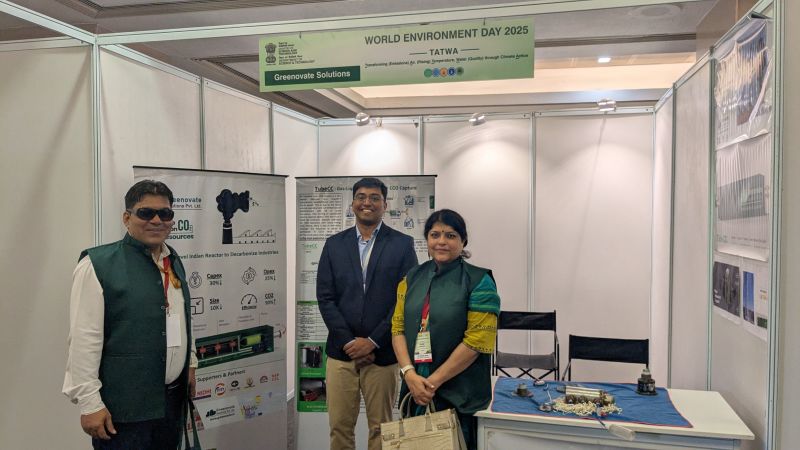
Bengaluru hosted a two-day forum on sustainable innovation this week, bringing together researchers, urban practitioners and policymakers to examine how cities can adapt to climate pressures while maintaining economic growth. The event reflects a growing shift in urban discourse, where environmental resilience is increasingly being positioned alongside infrastructure and development priorities.
The gathering focused on practical pathways for embedding sustainability into urban systems, including mobility, energy use, and building design. Participants explored how innovation—particularly in technology and materials—can help cities reduce emissions while improving liveability. For Bengaluru, a city balancing rapid expansion with environmental stress, such discussions carry immediate relevance.Experts at the forum highlighted that sustainable innovation is no longer limited to experimental projects but is becoming central to mainstream urban planning. From low-carbon construction methods to decentralised energy systems, the emphasis is moving towards scalable solutions that can be integrated into existing city frameworks. This shift is especially important for Indian cities facing rising temperatures, resource constraints and population growth.A key theme was the role of cross-border collaboration in accelerating climate-responsive solutions. Knowledge exchange between institutions, industry stakeholders and civic bodies was seen as critical to bridging the gap between research and implementation. Urban planners noted that while many solutions already exist, the challenge lies in adapting them to local conditions and ensuring institutional capacity to deploy them effectively.The discussions also underscored the economic dimension of sustainability.
Investments in green infrastructure and climate-resilient technologies are increasingly being viewed as drivers of long-term growth rather than additional costs. In Bengaluru’s context, where the technology sector plays a dominant role, integrating sustainability into innovation ecosystems could position the city as a leader in climate-conscious development.However, participants cautioned against a purely technology-led approach. Inclusive planning, citizen engagement and equitable access to resources were identified as essential components of sustainable innovation. Without addressing social disparities, even advanced solutions risk benefiting only a segment of the population, leaving broader urban challenges unresolved.The event further examined the role of public institutions in enabling change.Policy frameworks, regulatory incentives and streamlined approvals were identified as critical enablers for scaling sustainable practices. At the same time, consistent monitoring and accountability mechanisms were emphasised to ensure that sustainability goals translate into measurable outcomes.For residents, the implications of these discussions are tangible. From improved air quality and energy efficiency to better-designed public spaces, the outcomes of sustainable innovation directly influence everyday urban life. As Bengaluru continues to expand, integrating these principles into planning processes could help mitigate environmental risks while enhancing quality of life.
The forum concluded with a shared recognition that the transition to sustainable cities requires coordinated action across sectors. As cities like Bengaluru navigate this shift, the focus is likely to remain on aligning innovation with inclusivity and long-term resilience, ensuring that urban growth does not come at the cost of environmental stability.
Also Read:Bengaluru online khata correction system for property records
