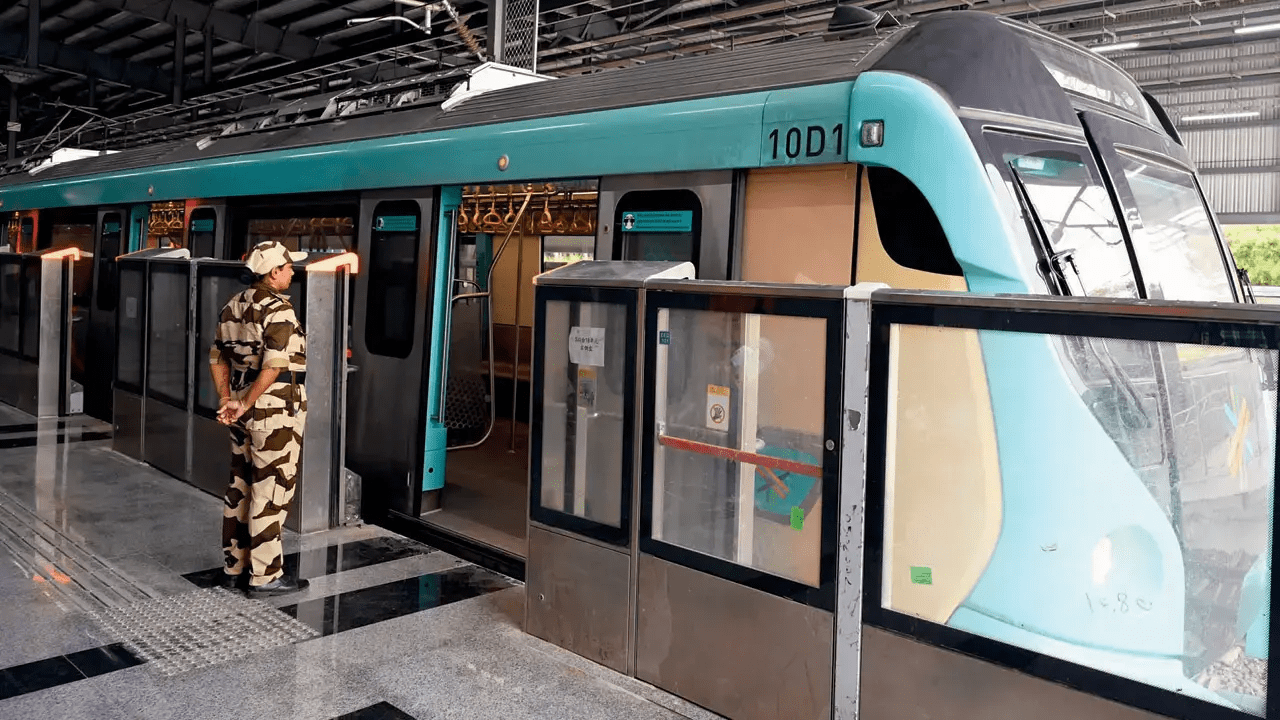
Mumbai Metro Ticket Booking Moves To Digital Platforms
Mumbai’s public transport ecosystem is taking another step towards integrated mobility, with metro ticketing now accessible through third-party ride-hailing platforms. The latest development enables commuters to purchase digital passes directly via app-based services, signalling a broader shift towards unified, cashless travel systems in the city. The expansion of Mumbai metro ticket booking through multiple digital platforms is being facilitated under the Open Network for Digital Commerce (ONDC), a government-backed initiative aimed at decentralising digital services. By linking metro systems with widely used mobility applications, authorities are attempting to reduce friction in daily commuting while encouraging greater adoption of public transport.
Currently, the service covers several operational metro corridors in the western and northern suburbs, allowing users to generate QR-based tickets instantly. This eliminates the need for physical tokens or queues at station counters, a change that could significantly improve passenger flow during peak hours. For a network witnessing steady ridership growth, such digital interventions are becoming essential to maintaining efficiency. Urban mobility experts view this as part of a larger transition towards Mobility-as-a-Service (MaaS), where different transport modes are integrated within a single digital interface. The Mumbai metro ticket booking model, now accessible across multiple apps, reflects an effort to unify ticketing across platforms rather than confining it to a single proprietary system. This approach could improve accessibility, particularly for younger, tech-savvy commuters accustomed to app-based services. The initiative also builds on earlier efforts to create a common mobility platform for the city, aimed at linking metro services with other transport options. By expanding access points, authorities are attempting to make public transport more user-friendly and competitive against private vehicles and app-based taxis.
From a sustainability standpoint, simplifying access to metro services can play a role in shifting commuter behaviour. Faster ticketing and reduced waiting times make public transport more attractive, potentially lowering reliance on personal vehicles. Over time, this could contribute to reduced congestion and lower urban emissions—key priorities for a city grappling with traffic and air quality challenges. However, digital integration also raises questions around inclusivity. While app-based ticketing offers convenience, ensuring that non-digital users are not excluded remains critical. Planners emphasise the need for parallel systems, including physical ticketing and assisted services, to maintain equitable access across income and age groups. The introduction of promotional incentives to encourage first-time users reflects the early stage of adoption for such systems. Analysts note that sustained usage will depend less on short-term offers and more on reliability, ease of use, and integration with other transport modes.
As Mumbai continues to expand its metro network, the success of initiatives like Mumbai metro ticket booking integration will likely shape how commuters interact with the city’s transport infrastructure. The long-term goal appears to be a seamless, interoperable system where planning, booking and travel occur within a single digital ecosystem—reducing complexity while enhancing the overall urban mobility experience.