Mumbai Summer Special Trains Boost Seasonal Travel
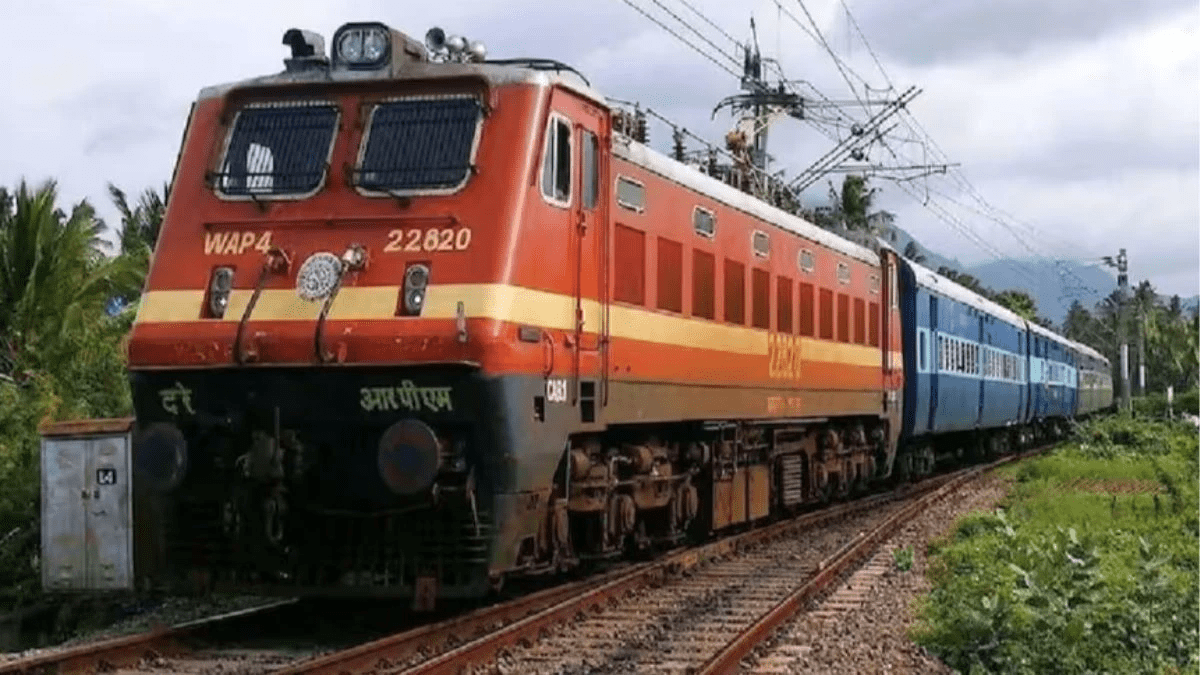
Mumbai’s rail network is preparing for a seasonal surge in passenger movement, with Central Railway introducing over 200 additional services to manage peak summer travel demand. The move reflects the growing pressure on long-distance rail infrastructure, particularly in a region where migration, tourism and intercity mobility converge at scale. The rollout of Mumbai summer special trains will connect the city with key destinations across southern, northern and eastern India, including Chennai, Hyderabad, Bengaluru, Varanasi and Kolkata-linked corridors. The additional services are scheduled between April and July, a period traditionally marked by increased travel due to school holidays and seasonal migration patterns.
Railway officials indicate that the expansion is designed to supplement existing capacity on high-demand routes, many of which operate near saturation during peak periods. By adding special trains with a mix of air-conditioned, sleeper and general coaches, the network aims to accommodate diverse passenger segments, from long-distance workers to families undertaking seasonal travel. From an urban systems perspective, the introduction of Mumbai summer special trains highlights the critical role of railways in supporting economic and social mobility. Mumbai serves as a major origin and destination point for labour flows, particularly to and from states in northern and eastern India. Ensuring adequate transport during peak seasons is essential not only for passenger convenience but also for maintaining economic linkages across regions. Urban planners note hat while such seasonal measures provide immediate relief, they also point to structural challenges in India’s rail infrastructure. The recurring need for special services underscores the gap between baseline capacity and actual demand. Over time, addressing this imbalance will require sustained investment in track expansion, signalling upgrades and station modernisation.
There are also environmental implications to consider. Rail transport remains one of the more energy-efficient modes of long-distance travel, especially when compared to road and air alternatives. By enabling more passengers to shift to trains during high-demand periods, the initiative could contribute to lower per capita emissions, aligning with broader goals of sustainable mobility. However, experts emphasise that operational efficiency and passenger experience must remain priorities. Overcrowding, delays and last-minute scheduling changes can undermine the benefits of additional services. Digital booking systems, real-time updates and improved station management are increasingly seen as critical components of a resilient rail network. The expanded services will operate across multiple corridors, including routes connecting Mumbai with industrial hubs, pilgrimage centres and major urban clusters. This network-wide approach reflects the complexity of travel demand patterns, which extend beyond single-city connections to a broader national grid.
As India’s cities continue to grow and mobility demands intensify, temporary measures like Mumbai summer special trains offer a glimpse into the scale of future transport needs. The challenge for policymakers will be to transition from reactive capacity additions to long-term planning that ensures reliable, inclusive and sustainable rail connectivity throughout the year.