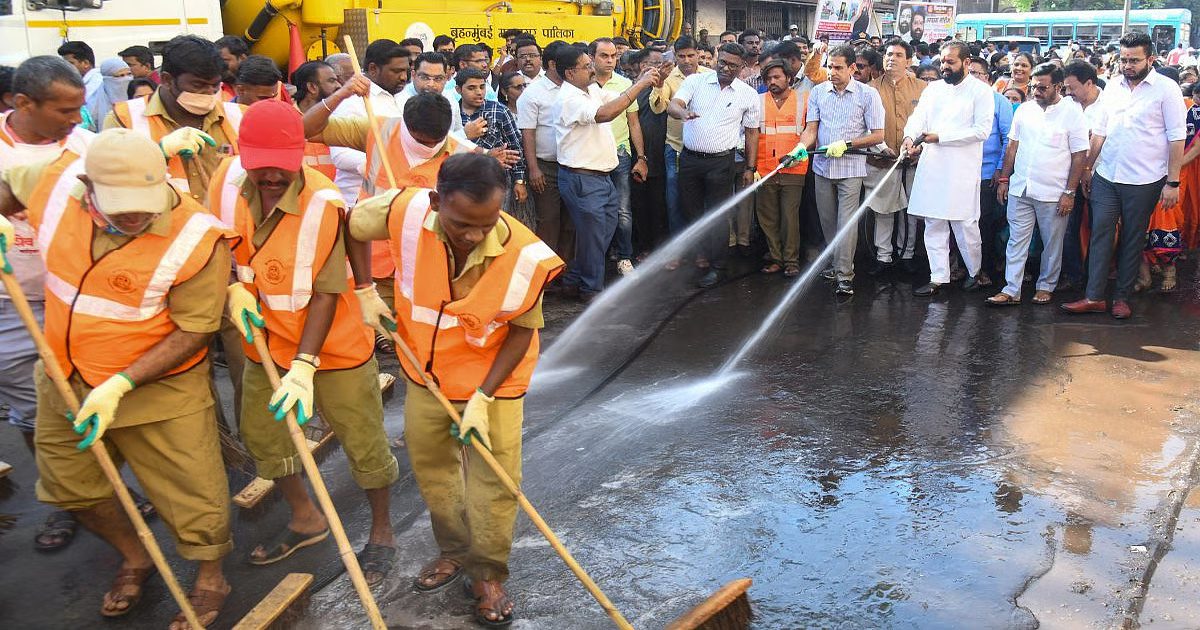
MumMumbai Clean League Drive Gets Monitoring Boostt
Mumbai’s civic administration has tightened oversight of its citywide sanitation campaign, signalling a renewed push to improve the effectiveness and visibility of public cleanliness efforts under the Mumbai Clean League drive. The move comes as authorities seek to address persistent gaps in waste management and urban hygiene across high-density neighbourhoods. Recent field inspections by senior officials have highlighted the need for measurable outcomes rather than routine compliance. The Mumbai Clean League drive, initially designed as a competitive framework among administrative wards, is now being repositioned to deliver visible improvements in streets, public spaces and community areas. For residents, this shift reflects a growing expectation that cleanliness initiatives should translate into tangible, everyday change.
Urban experts argue that visibility plays a crucial role in sustaining civic participation. When improvements are noticeable, citizens are more likely to engage with waste segregation and responsible disposal practices. However, achieving this requires consistent coordination between multiple departments, including solid waste management, road maintenance and drainage systems—an area where Indian cities often face operational fragmentation. Officials have reportedly emphasised stronger monitoring mechanisms at the ward level, with a focus on accountability and inter-agency collaboration. This includes closer supervision of contractors, timely waste collection and ensuring that infrastructure such as bins, transfer stations and processing units function efficiently. The approach signals an attempt to move beyond reactive clean-up drives towards more systematic urban management. The Mumbai Clean League drive also intersects with broader sustainability goals. Effective waste management is critical to reducing landfill dependence, lowering methane emissions and improving urban air and water quality.
In a coastal city already vulnerable to climate risks, unmanaged waste can exacerbate flooding by clogging drainage networks, making sanitation a key component of climate resilience. Despite ongoing efforts, challenges remain significant. Rapid urbanisation, informal settlements and high population density place immense pressure on existing systems. Industry observers note that while monitoring can improve compliance, long-term success will depend on investments in decentralised waste processing, behavioural change campaigns and integration of informal waste workers into formal systems. There is also increasing recognition that cleanliness initiatives must be inclusive. Access to sanitation services, public toilets and waste collection varies across socio-economic groups, raising questions about equity in service delivery. Addressing these disparities will be essential if the Mumbai Clean League drive is to achieve citywide impact.
Looking ahead, the emphasis on stricter oversight could help standardise performance across wards, but sustained progress will require continuity beyond periodic inspections. As Mumbai continues to expand, maintaining clean and liveable public spaces will remain a central challenge—one that demands not only administrative vigilance but also active participation from citizens and local communities.