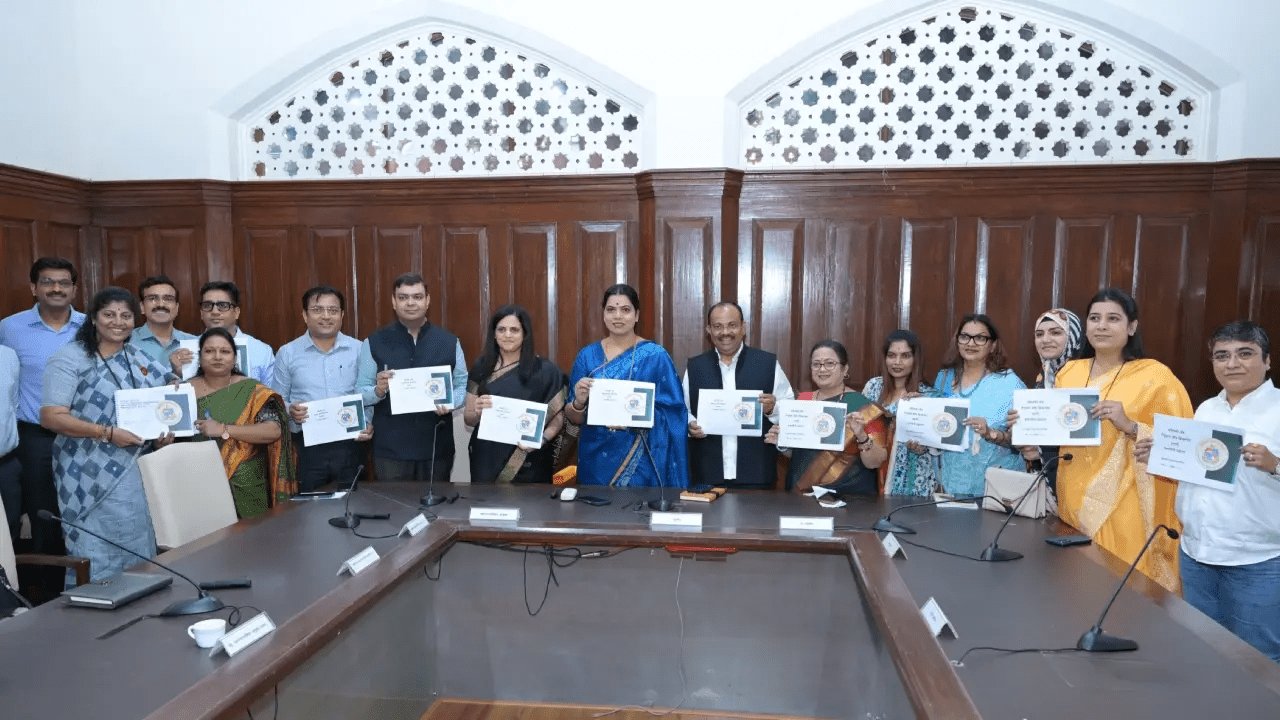
Mumbai’s civic administration has rolled out a citywide digital framework, the MARG system, to centralise and manage public complaints, signalling a shift towards integrated urban governance. The initiative seeks to streamline how grievances are reported and resolved across departments, an area that has long faced criticism for delays and fragmentation in India’s financial capital. The MARG system—short for Management and Redressal of Grievances—brings together multiple complaint channels into a single interface. Residents currently use a mix of helplines, mobile applications, social media platforms, and in-person submissions to raise issues ranging from potholes to water supply disruptions. By consolidating these inputs, the administration aims to reduce duplication, improve coordination, and ensure that complaints are routed more efficiently to relevant departments.
Urban governance specialists suggest that such integration could significantly enhance service delivery in a city where infrastructure pressure is intensifying due to population density and climate risks. A unified platform also allows for automated tracking, enabling residents to follow the progress of their complaints while giving officials better visibility over pending cases. This dual transparency mechanism is expected to improve accountability within civic departments. A key feature of the system is its use of Geographic Information System (GIS) technology, which maps complaint locations with precision. This spatial data can help authorities identify recurring problem zones, such as flood-prone streets or waste accumulation hotspots, and plan targeted interventions. For a coastal city facing increasingly unpredictable rainfall patterns, such data-driven insights are crucial for building resilience and reducing disaster risk. The introduction of live dashboards for senior officials adds another layer of oversight. These dashboards provide real-time updates on the volume and status of complaints, enabling prioritisation based on urgency. Analysts note that this could help shift municipal functioning from reactive responses to more proactive management, particularly in critical sectors like drainage, road maintenance, and sanitation.
However, the effectiveness of the MARG system will depend on more than just technological integration. Experts point out that digital platforms often face adoption barriers among sections of the population with limited internet access or digital literacy. Ensuring multilingual accessibility and maintaining offline support channels will be essential to prevent exclusion, especially in informal settlements. There are also operational challenges. While centralisation can improve oversight, it requires strong inter-departmental coordination and clearly defined response timelines. Without adequate staffing and field capacity, even well-designed systems risk creating bottlenecks rather than resolving them. From an economic standpoint, efficient grievance redressal has direct implications for productivity and investment. Reliable civic services contribute to smoother business operations, improved mobility, and higher quality of life—factors that shape a city’s competitiveness.
As Mumbai continues to expand, the success of the MARG system will likely be judged by measurable improvements in response times and citizen satisfaction. The platform’s evolution, including the planned integration of additional public services, could set a precedent for other Indian cities navigating similar urban challenges.