


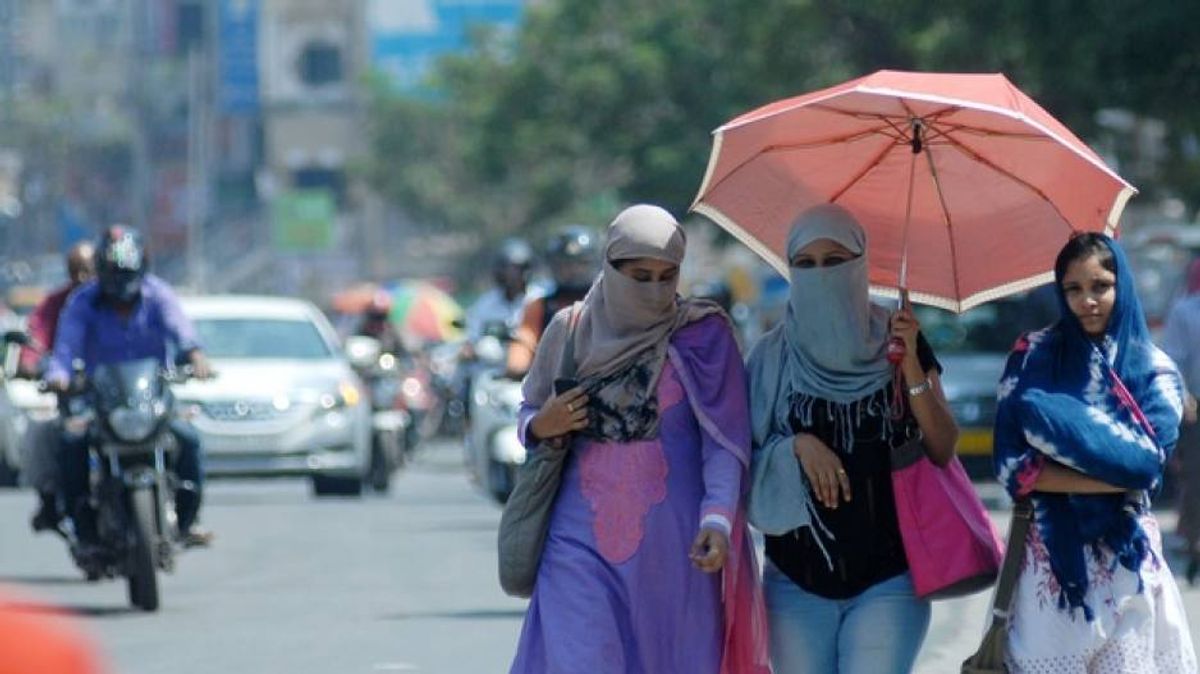
Kolkata recorded its highest temperature of the year so far, with daytime levels climbing to 36.4°C, signalling an early intensification of summer conditions and raising concerns about the city’s preparedness for prolonged heat stress. The spike highlights broader challenges linked to urban heat management, public health, and infrastructure resilience.
Meteorological patterns suggest that such early-season temperature surges are becoming more frequent across eastern India.For Kolkata, a densely built metropolis with limited green cover in several zones, the impact is amplified by the urban heat island effect—where concrete surfaces and reduced vegetation trap heat, pushing temperatures higher than surrounding areas.Urban planners warn that the Kolkata heatwave impact extends beyond discomfort, directly affecting productivity, energy consumption, and vulnerable populations.Informal settlements, where access to cooling and ventilation is limited, are particularly exposed. These areas often lack shaded public spaces and reliable water supply, compounding heat-related risks.The rise in temperature also places additional pressure on electricity demand, as households and businesses increase reliance on cooling systems. Energy experts note that this could strain distribution networks, especially during peak hours. Without a transition to energy-efficient cooling and decentralised renewable systems, cities risk higher emissions alongside rising demand.
From a public health perspective, early heat events increase the likelihood of dehydration, heat exhaustion, and other climate-related illnesses. Health officials emphasise the need for timely advisories, access to drinking water, and the expansion of cooling shelters in high-density neighbourhoods. Schools, construction sites, and outdoor workplaces are among the most affected sectors.The Kolkata heatwave impact also underscores the importance of climate-sensitive urban planning. Experts advocate for measures such as increasing tree cover, promoting reflective building materials, and integrating blue-green infrastructure—like water bodies and urban forests—into city design. These interventions can reduce ambient temperatures while improving overall livability.There are economic implications as well. Heat stress can disrupt labour productivity, particularly in sectors reliant on outdoor work, and may lead to increased operational costs for businesses. Over time, unmanaged heat risks could influence real estate patterns, as residents and investors prioritise climate-resilient locations.City authorities have been working on heat action plans, but experts suggest that implementation needs to be more localised and data-driven.
Ward-level strategies, early warning systems, and community engagement are seen as critical to improving effectiveness.As temperatures continue to rise, Kolkata faces a defining test of its urban resilience. Addressing heat stress will require coordinated efforts that combine infrastructure upgrades, environmental restoration, and citizen-focused planning to ensure the city remains liveable in a warming climate.
Also Read:Kolkata Poet Global Lecture Highlights Literary Exchange
