Air quality management authorities have reinstated early-stage pollution controls across Delhi-NCR, signalling a precautionary response to deteriorating atmospheric conditions as summer advances. The move activates GRAP Stage I, a baseline set of restrictions aimed at limiting further air quality decline while urban activity continues at scale.
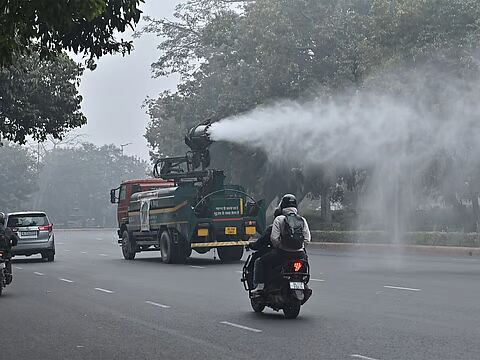
The decision follows a measurable rise in particulate matter levels across the region, with environmental monitors indicating a shift from ‘moderate’ towards poorer air quality bands. While winter is typically associated with severe smog episodes, urban planners note that episodic pollution spikes during warmer months are becoming more frequent, driven by construction dust, vehicular emissions, and changing wind patterns. Under GRAP Stage I, agencies are required to intensify dust control measures, including stricter enforcement at construction sites, mechanised road sweeping, and water sprinkling on key corridors. Transport authorities are also expected to ensure smoother traffic flow to reduce vehicular idling, while civic bodies must tighten oversight on waste handling and open burning. For a region already grappling with high urban density and rapid infrastructure expansion, the reactivation of GRAP protocols highlights a deeper structural challenge. Delhi-NCR’s growth trajectory—marked by expressways, real estate development, and logistics networks—continues to place pressure on environmental thresholds. Experts point out that while GRAP Stage I serves as an immediate mitigation tool, it does little to address systemic emission sources embedded in urban planning decisions.
The economic implications are equally significant. Construction and logistics sectors, which underpin regional growth, often face operational constraints during pollution control phases. However, industry observers argue that predictable enforcement frameworks could encourage cleaner construction practices, including dust barriers, on-site recycling, and low-emission machinery—steps that align with long-term sustainability goals. From a citizen perspective, early intervention through GRAP Stage I offers a limited but crucial buffer against worsening health risks. Public health specialists have consistently linked even moderate pollution levels to respiratory and cardiovascular stress, particularly among vulnerable groups such as children, the elderly, and outdoor workers. Preventive action at this stage may reduce the likelihood of harsher restrictions later, which tend to disrupt daily life more severely.
The recurring need to activate pollution control measures outside peak winter months is also prompting renewed debate on regional coordination. Airshed management across multiple states remains fragmented, despite shared environmental outcomes. Urban policy experts suggest that integrating land use planning, transport electrification, and decentralised waste management could reduce reliance on reactive frameworks like GRAP. As Delhi-NCR enters another cycle of pollution vigilance, the effectiveness of GRAP Stage I will depend not just on enforcement, but on whether it catalyses longer-term behavioural and institutional shifts. Without sustained structural changes, such interventions risk becoming routine responses rather than pathways to cleaner, more resilient urban living.