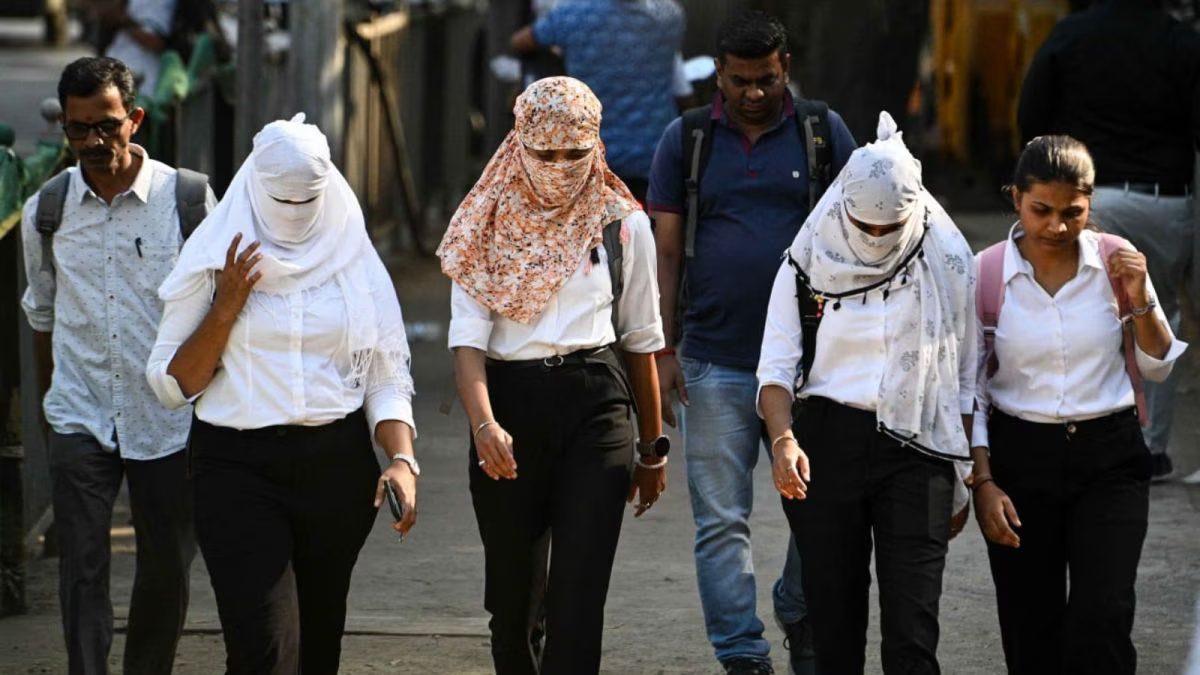
Mumbai’s civic administration is preparing a broader response to intensifying summer temperatures, expanding its Mumbai heat action plan to include reflective rooftop coatings and increased access to shaded public spaces. The move signals a growing recognition of heat stress as a critical urban challenge, with implications for public health, energy demand, and the liveability of dense city environments. Officials indicate that heat-reflective coatings will be introduced across a range of municipal buildings, including schools, healthcare centres, and fire stations. These coatings are designed to reflect solar radiation, reducing heat absorption at the roof level and lowering indoor temperatures. Urban climate experts note that such interventions can significantly reduce reliance on air-conditioning, thereby lowering energy consumption and emissions in the long term.
The Mumbai heat action plan also includes operational measures aimed at providing immediate relief. Civic authorities have recommended that public gardens remain accessible during peak afternoon hours, allowing residents to use shaded green spaces as informal cooling zones. This approach reflects a broader shift toward integrating nature-based solutions into urban climate adaptation strategies. The initiative draws from a recent technical assessment that mapped heat vulnerability across the city and outlined targeted interventions for high-risk zones. Recommendations included the use of high-reflectivity materials in both buildings and pavements, expansion of tree cover, and redesign of streetscapes to improve shading—particularly in areas with heavy pedestrian activity such as markets and transport hubs. However, the effectiveness of the Mumbai heat action plan is likely to depend on implementation at the ground level. Urban practitioners point out that informal workers—such as daily wage labourers and street vendors—often experience the most severe exposure to extreme heat, yet have limited access to cooling infrastructure.
Suggestions from civil society groups include the installation of shaded waiting areas, public drinking water facilities, and temporary cooling shelters in high-footfall zones. Institutional coordination remains another challenge. While multiple departments are involved in executing heat mitigation strategies, delays in operational decisions—such as extending garden access hours—highlight gaps between policy design and on-ground delivery. Experts emphasise that climate adaptation requires not only technical solutions but also streamlined governance and accountability. Healthcare preparedness forms an additional component of the plan. Primary care centres across the city have been identified as potential heat relief points, with instructions to monitor and respond to heat-related illnesses. This reflects an integrated approach linking environmental management with public health systems.
As heatwaves become more frequent and intense, cities like Mumbai are being forced to rethink urban design and infrastructure through a climate lens. The Mumbai heat action plan represents an early attempt to embed resilience into everyday civic functions. Its long-term success will depend on whether these measures can be scaled equitably, ensuring that both formal and informal urban populations benefit from cooler, safer environments in a warming climate.