


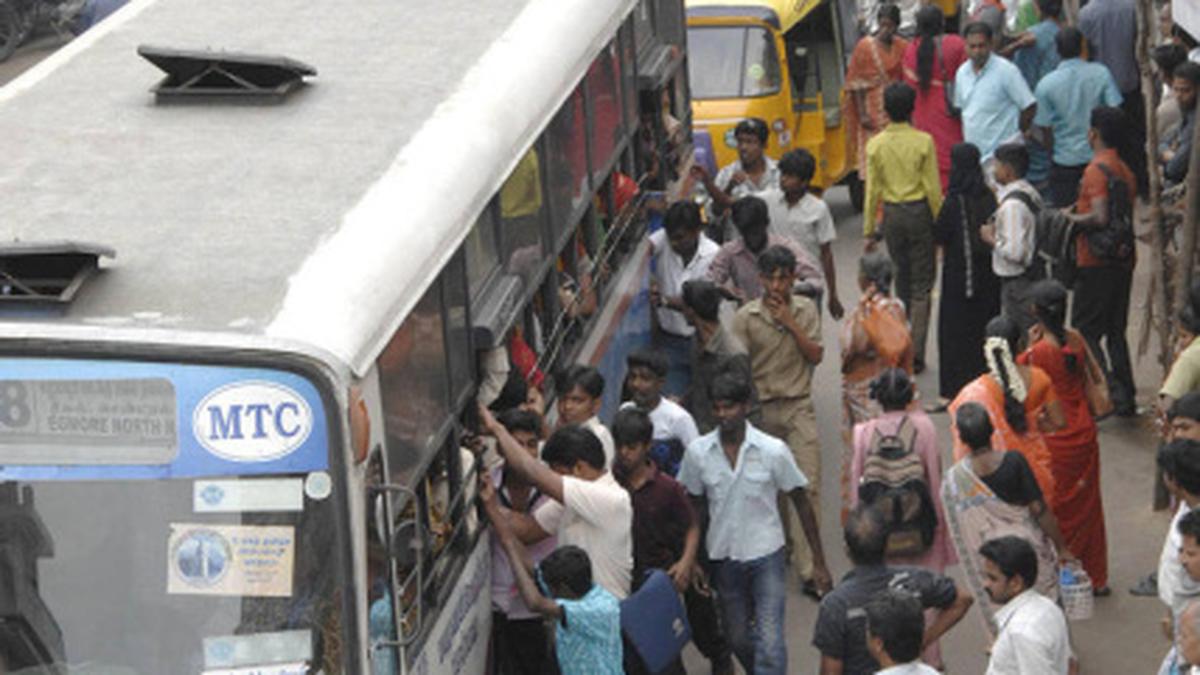
Chennai is set to significantly scale up bus operations for the upcoming election period, with more than 11,000 vehicles earmarked to support polling logistics across the state. The move is aimed at ensuring seamless movement of election personnel, security forces, and materials, but it is also expected to temporarily reshape everyday mobility in the city.
Transport authorities plan to draw heavily from the existing public bus network, a backbone of Chennai’s urban transit system.While this mobilisation is critical to conducting large-scale civic processes, it could reduce the number of buses available for routine passenger services. Commuters, particularly those dependent on buses for daily travel, may experience longer waiting times and increased crowding during peak hours.Urban mobility experts point out that such large-scale diversions reveal the limited redundancy within public transport systems.In a city where buses remain the most affordable and widely used mode of travel, reallocating vehicles for non-routine functions can disrupt access for vulnerable groups, including low-income workers and students.The situation also underscores the dual role played by public transport in Indian cities—as both a daily service and a logistical resource during major events. However, this overlap can strain already stretched infrastructure.Experts suggest that better integration with other transport modes, such as metro rail and suburban trains, could help absorb the impact of reduced bus availability.From a sustainability perspective, any dip in public transport capacity carries broader implications.
Reduced bus frequency can push some commuters towards private vehicles or informal transport options, increasing congestion and emissions.Maintaining reliable and frequent services, even during high-demand periods, is essential to sustaining long-term shifts towards low-carbon mobility.There are also economic considerations. Disruptions in commuting patterns can affect workforce productivity, particularly in sectors with fixed working hours. Small businesses and informal workers may be disproportionately impacted if travel becomes less predictable or more time-consuming.Urban planners emphasise the need for contingency strategies that balance civic requirements with commuter needs.Measures such as staggered deployment schedules, temporary route adjustments, and real-time communication with passengers can help mitigate disruptions. Investing in additional fleet capacity and operational flexibility over the long term could also strengthen the system’s ability to handle such demands.
As Chennai prepares for the election cycle, the large-scale bus deployment highlights the importance of resilient urban transport systems. Ensuring that essential democratic processes are supported without compromising everyday mobility will remain a key challenge for city authorities in the days ahead.
Also Read:Chennai Metro Glitch Disrupts Urban Transit Services
