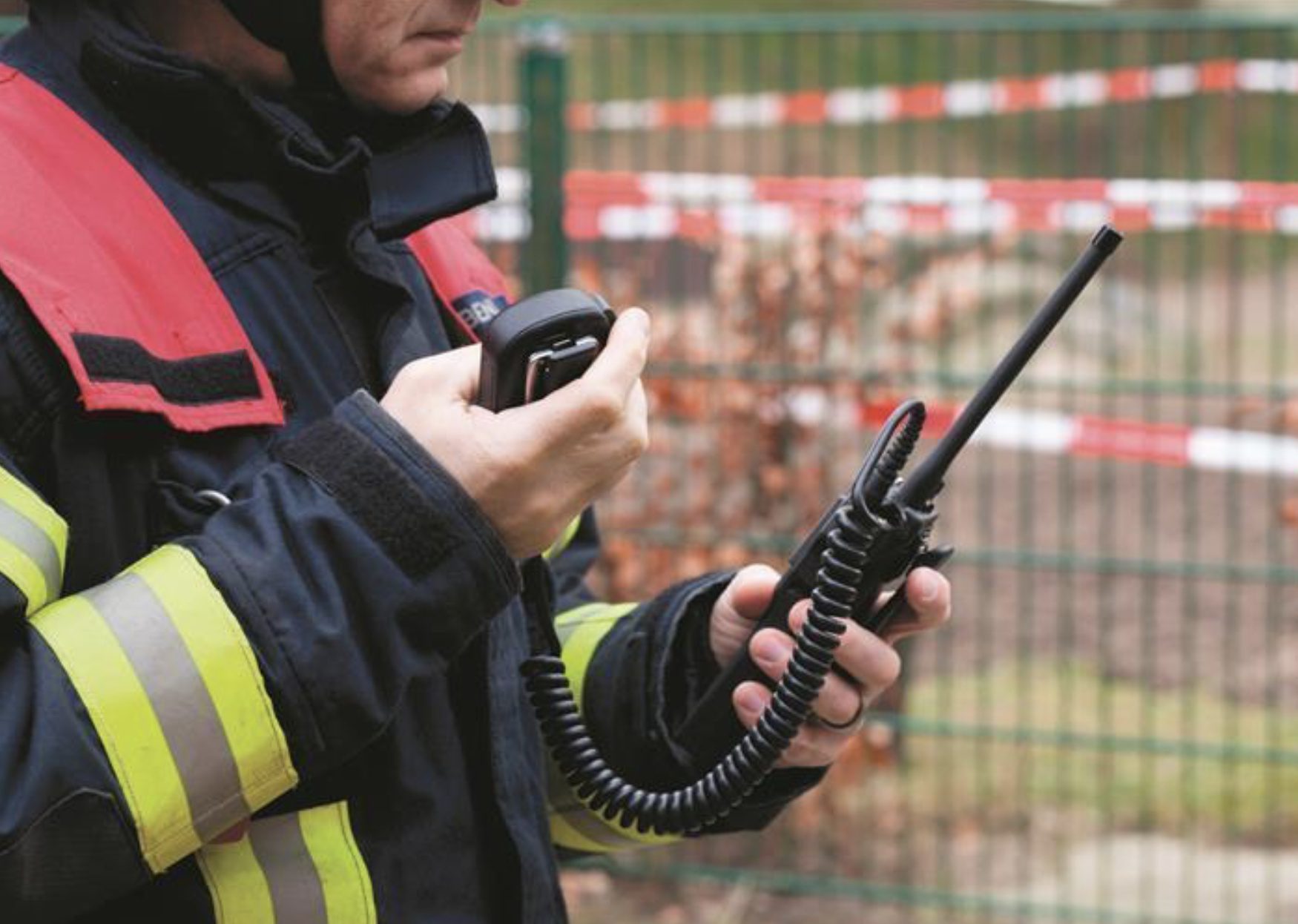
Thane is preparing to overhaul its firefighting communication network with a proposed ₹1.52 crore investment aimed at replacing outdated wireless systems, a move seen as critical for improving emergency response in one of the Mumbai region’s fastest-growing urban centres. The upgrade reflects rising concerns over public safety as dense high-rise development begins to outpace legacy infrastructure. The Thane Fire Brigade’s current communication backbone, installed over a decade ago, has struggled to function effectively in an increasingly vertical cityscape. Urban planners note that the proliferation of tall residential towers and commercial complexes has created signal blind spots, often hampering coordination during emergencies. In high-risk scenarios such as fires in upper floors, uninterrupted communication between field teams and command units becomes essential for evacuation and containment.
Municipal officials have initiated procurement for a new wireless system designed to function reliably in dense built environments. The planned rollout includes handheld, vehicle-mounted, and fixed communication units to ensure coverage across operational layers. Industry experts suggest that modern digital radio systems can significantly reduce interference, enabling real-time coordination even in areas where traditional analogue networks fail. This shift is not merely technological but also reflects a broader transformation in how cities approach disaster preparedness. As Thane continues to expand, with new housing clusters and mixed-use developments emerging, the complexity of emergency response increases. Fire incidents in high-density neighbourhoods require faster decision-making, better situational awareness, and seamless data exchange—capabilities that legacy systems often lack. Urban safety specialists highlight that communication upgrades are a foundational step towards building climate-resilient cities. With rising temperatures and changing weather patterns increasing fire risks, particularly in congested settlements, investment in emergency infrastructure becomes as important as transport or housing development.
Reliable communication systems can shorten response times, reduce casualties, and improve coordination with other civic agencies such as disaster management units and healthcare services. The financial outlay, though modest compared to large-scale infrastructure projects, underscores the importance of targeted investments in civic systems that directly affect citizen safety. Experts point out that such upgrades also contribute to equitable urban development, ensuring that emergency services remain accessible and effective across all neighbourhoods, regardless of density or building typology. However, implementation timelines and integration with existing systems will be closely watched. Without proper training, maintenance protocols, and interoperability with other agencies, even advanced systems risk underperformance. Urban governance analysts stress the need for continuous upgrades rather than one-time interventions, particularly in rapidly evolving metropolitan regions.
As Thane moves forward with this communication overhaul, the focus will remain on how effectively the new system translates into faster, safer, and more coordinated emergency responses. In a city defined by rapid growth, strengthening such critical infrastructure could prove essential in safeguarding both lives and the built environment.