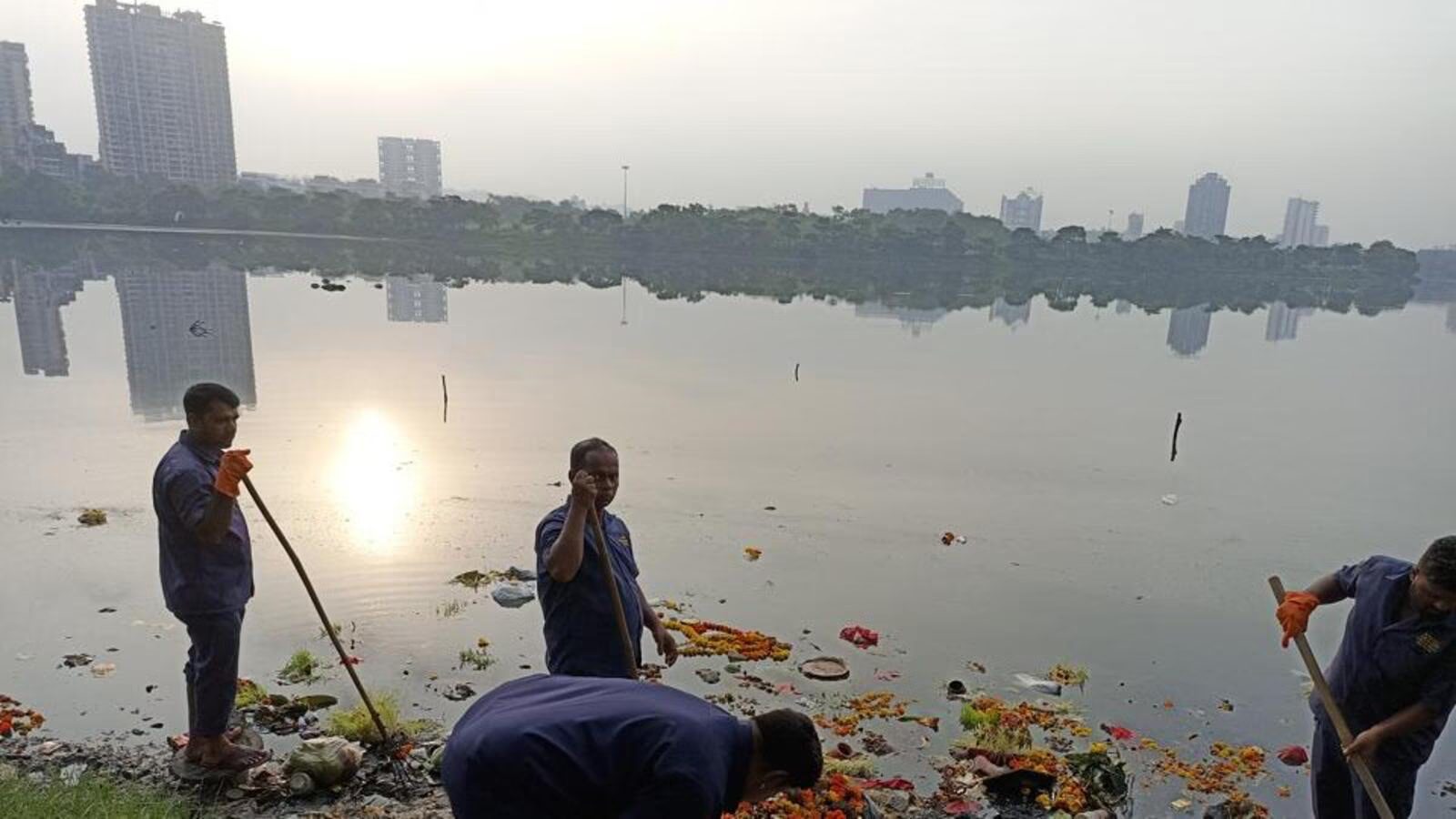
Navi Mumbai Lake Pollution Threatens Urban Ecology
Concerns over water quality and ecological safety have resurfaced in Navi Mumbai after recent testing indicated that untreated or inadequately treated discharge may be entering a sensitive wetland system in Nerul. The findings have drawn attention to gaps in urban sewage management and their implications for both biodiversity and public health in rapidly developing coastal cities. Laboratory results from a sample collected near a drain flowing into a local wetland revealed parameters exceeding acceptable environmental limits. Elevated alkalinity levels, along with significantly high concentrations of total dissolved solids and organic pollutants, suggest that the water does not meet prescribed inland quality standards. Environmental observers note that such conditions can disrupt aquatic ecosystems, reduce oxygen availability, and affect species that depend on stable water chemistry.
The issue centres on Navi Mumbai lake pollution, with the affected wetland forming part of a larger ecological network connected to the Thane Creek system. Wetlands in this region serve as natural buffers against flooding, support migratory bird habitats, and help filter pollutants. Any deterioration in water quality can therefore have cascading effects, not only on biodiversity but also on the city’s climate resilience. Urban planners highlight that as cities expand, the pressure on sewage treatment infrastructure intensifies. While treatment plants are designed to process large volumes of wastewater, inconsistencies in operation, maintenance, or capacity can lead to partially treated discharge entering natural water bodies. Experts suggest that tidal conditions, particularly during low tide, may further concentrate pollutants in stagnant zones, amplifying environmental impact. Beyond ecological risks, Navi Mumbai lake pollution also raises questions about governance and monitoring. Environmental groups have pointed to the need for more transparent data on treatment plant performance and discharge quality. Regular, publicly accessible audits could help build accountability while enabling timely corrective measures.
In addition, the integration of real-time monitoring technologies could improve oversight and reduce the likelihood of non-compliant discharge. From an urban development perspective, the situation reflects a broader challenge facing Indian cities: balancing infrastructure growth with environmental sustainability. As new residential and commercial projects emerge, ensuring that sewage and stormwater systems keep pace is critical. Failure to do so not only affects natural ecosystems but can also influence property values and quality of life in surrounding neighbourhoods. The episode also underscores the importance of preserving urban wetlands as critical infrastructure rather than treating them as passive land parcels. Experts argue that protecting these ecosystems should be embedded in city planning frameworks, alongside investments in modernising wastewater treatment systems.
Looking ahead, the focus is likely to shift towards strengthening regulatory enforcement, upgrading treatment facilities, and adopting decentralised solutions where feasible. For Navi Mumbai, addressing the current concerns will be key to safeguarding both its environmental assets and its long-term vision of sustainable, resilient urban growth.