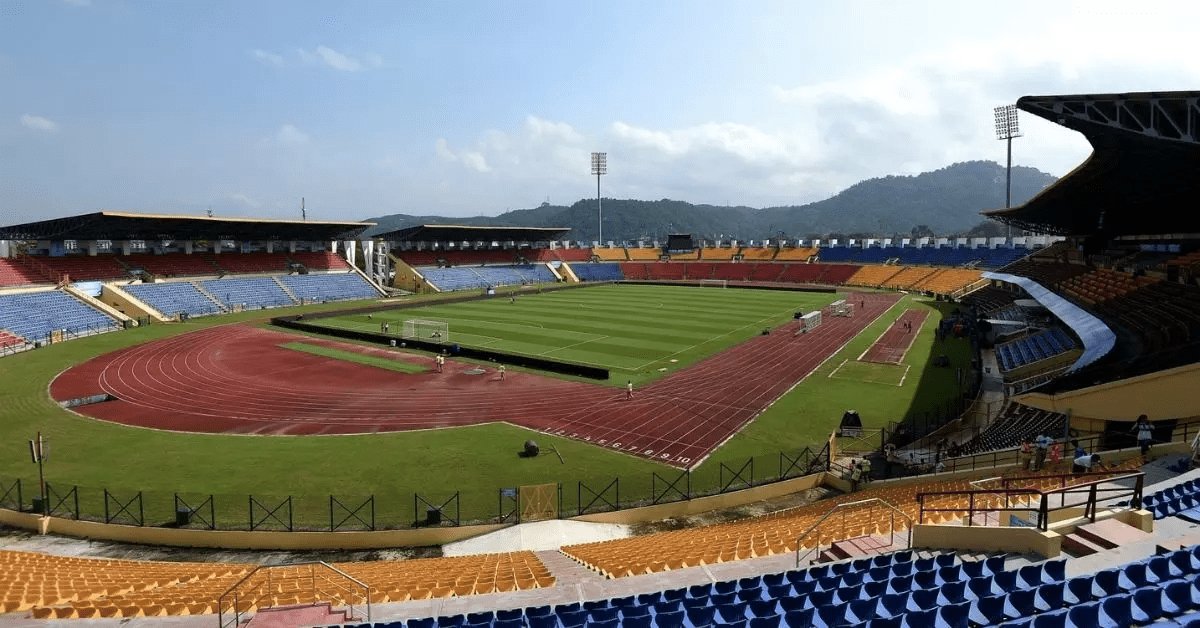
Calls are intensifying for the long-pending development of a large-scale sports facility in Navi Mumbai, as residents and local groups press authorities to move forward with a project seen as critical to urban infrastructure and community wellbeing. The proposed Navi Mumbai sports complex, planned across multiple sectors in Ghansoli, has remained largely on paper despite land reservations and policy backing. Citizen groups and local representatives have now urged state and planning authorities to expedite implementation, citing growing demand for accessible sports infrastructure in one of the region’s fastest-developing nodes.
According to planning documents, nearly 78 acres have been earmarked for the project, divided between municipal and state-level agencies. While a portion of the land is under the jurisdiction of the local civic body, the remaining parcels fall within the state’s sports department, reflecting a shared institutional responsibility that urban planners say often slows execution timelines. The renewed push highlights a broader issue in Indian cities—delays in translating land reservations into functional public assets. Despite formal allocation, projects such as the Navi Mumbai sports complex frequently face administrative bottlenecks, including land transfer processes, funding approvals, and coordination between multiple authorities. Urban development experts argue that large sports complexes are not merely recreational investments but also serve as critical social infrastructure. Beyond supporting professional training and events, such facilities can improve public health outcomes, provide safe spaces for youth engagement, and enhance liveability in dense urban environments.
The Ghansoli node, which has seen rapid residential and commercial growth in recent years, currently lacks large, integrated recreational spaces. Residents note that while real estate development has expanded significantly, supporting infrastructure—particularly in sports and open spaces—has not kept pace. This imbalance raises concerns about equitable urban growth and quality of life. Funding pathways for the project are expected to include government-backed sports initiatives as well as corporate social responsibility contributions. However, experts caution that financial availability alone may not be sufficient unless accompanied by clear governance structures and time-bound execution frameworks. The demand for immediate action also includes securing and demarcating the allocated land to prevent encroachment or alternate use. Urban planners emphasise that early-stage interventions, such as fencing and site preparation, are essential to safeguarding long-term infrastructure goals. From a sustainability perspective, integrating green design elements into the Navi Mumbai sports complex could offer additional benefits, including urban cooling, improved air quality, and water management through landscaped open spaces. Such considerations are increasingly important as cities seek to balance development with environmental resilience.
As Navi Mumbai continues to position itself as a planned urban extension of Mumbai, the delivery of public infrastructure like sports facilities will play a key role in shaping its growth trajectory. The coming months are likely to test whether institutional coordination can translate long-standing plans into tangible outcomes for residents.