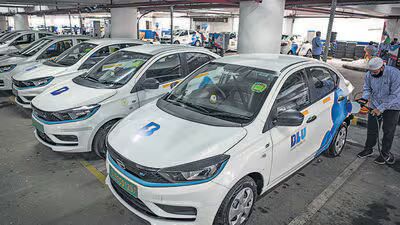
A Gurugram-based electric cab startup is seeking fresh capital to scale its operations, signalling renewed investor interest in clean urban mobility solutions at a time when cities are grappling with congestion, emissions, and unreliable ride-hailing services. The company has initiated a $1 million fundraise aimed at expanding its electric vehicle fleet, strengthening backend systems, and widening its footprint beyond Gurugram into the broader Delhi NCR region and other metropolitan markets.
This move comes as demand for predictable, app-based mobility services grows, particularly in high-density urban corridors where conventional ride-hailing models have faced service inconsistencies. The startup operates on a fleet-owned model, employing drivers directly and offering pre-booked rides with fixed pricing. Unlike aggregator platforms, this approach is designed to reduce ride cancellations and fare volatility—issues that have increasingly shaped commuter dissatisfaction in large Indian cities. Industry observers note that such vertically integrated models could help improve reliability but require higher upfront capital and operational discipline. The planned expansion reflects a broader shift in the EV mobility ecosystem. Electric cab services are gaining traction as cities look to decarbonise transport while maintaining accessibility. India’s mobility sector has seen a surge in investment, with EV-focused ventures attracting significant capital driven by policy incentives and rising urban demand.
The company aims to scale its fleet to over 500 vehicles and serve upwards of 50,000 monthly users within the next two years, with longer-term ambitions of building a multi-city presence and achieving large-scale revenue growth. While these targets remain aspirational, they highlight the increasing ambition among early-stage mobility players to transition from niche services to mainstream urban transport alternatives. For Delhi NCR, the implications are notable. The region continues to face severe air quality challenges, with transport emissions being a key contributor. Expanding electric cab fleets could help reduce tailpipe emissions, particularly in segments such as airport transfers and daily commuting, where vehicle usage is high. However, the transition is not without constraints. Scaling electric fleets requires parallel investment in charging infrastructure, grid capacity, and maintenance ecosystems. Experts caution that without coordinated planning, rapid fleet expansion could face operational bottlenecks, including downtime due to charging delays and uneven infrastructure distribution. There is also a question of inclusivity. While premium, pre-booked EV services may improve reliability, their pricing models could limit accessibility for lower-income users unless supported by broader public transport integration.
Urban planners argue that electric mobility must evolve alongside mass transit systems to ensure equitable access rather than creating segmented mobility layers. The startup’s fundraise also reflects a changing competitive landscape. With disruptions in parts of the EV ride-hailing market, new entrants are positioning themselves around reliability and service quality rather than price competition alone. As Indian cities accelerate towards cleaner transport systems, the success of such ventures will depend on their ability to balance scalability with affordability, while integrating into wider urban mobility networks. The current funding push marks an early step, but its long-term impact will hinge on execution in a sector where sustainability, economics, and user trust are closely intertwined.