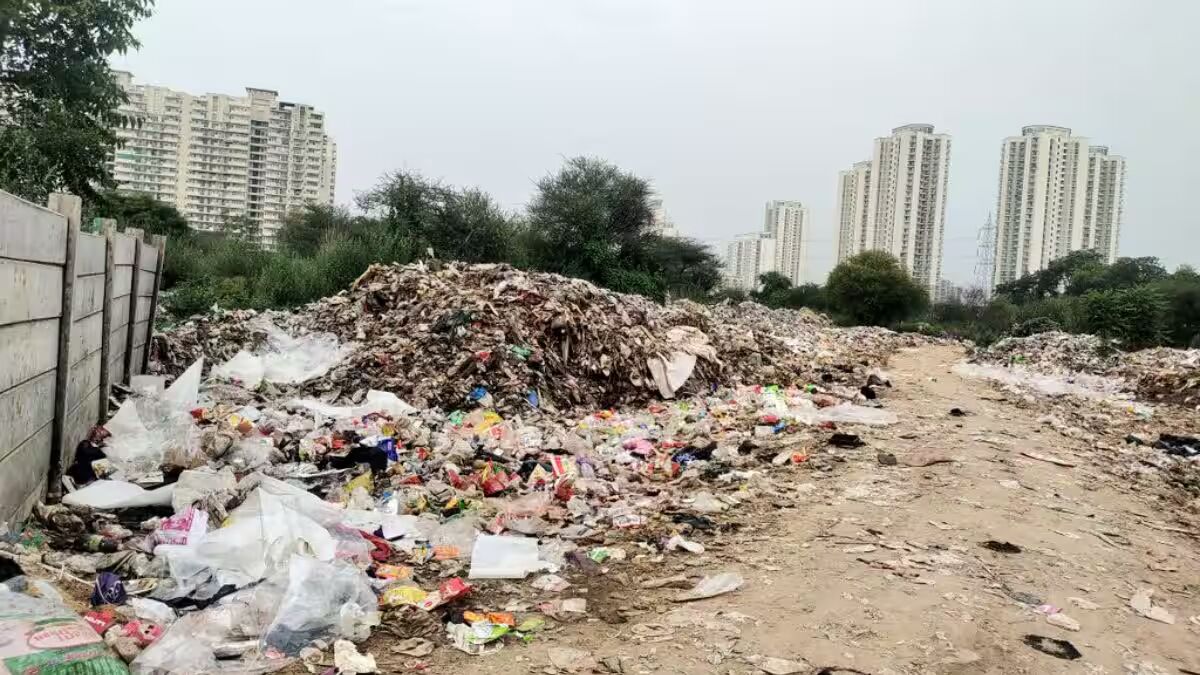
Gurugram Dustbin Plan Raises Waste Management Concerns
Gurugram’s plan to install 500 additional community dustbins across the city is drawing mixed reactions, highlighting a deeper challenge in urban waste management—where infrastructure expansion often outpaces service delivery systems needed to sustain it. The Municipal Corporation of Gurugram (MCG) has initiated a proposal to deploy new twin-bin units—designed for segregating wet and dry waste—while also replacing damaged bins across public spaces.
The move, backed by a tender estimated at around ₹56 lakh, aims to strengthen sanitation coverage in high-footfall areas such as markets, metro stations, parks and residential sectors. However, the initiative has triggered concern among residents and environmental observers, who argue that the problem lies less in the availability of bins and more in the consistency of waste collection. Across several neighbourhoods, community bins are reportedly left unattended for extended periods, leading to overflow, foul odour and public health risks. This disconnect underscores a recurring issue in the Gurugram waste management system: fragmented execution. While infrastructure additions like dustbins are visible and relatively quick to implement, the backend processes—collection, transport, and processing—remain inconsistent. Experts point out that without synchronised operations, such measures can inadvertently worsen urban hygiene by creating concentrated waste points.
The Gurugram dustbin plan also comes at a time when the city is still recovering from a prolonged sanitation crisis. In recent years, gaps in door-to-door waste collection and processing led to widespread dumping across public spaces, forcing authorities to adopt interim measures and restructure service contracts. Urban planners argue that effective waste management requires a systems-based approach rather than isolated interventions. This includes ensuring reliable door-to-door collection, timely clearance of community bins, and efficient transfer to processing or recycling facilities. Without these elements, even well-intentioned infrastructure investments risk becoming symbolic rather than functional. There is also an environmental dimension to the debate. Improperly managed community bins can attract pests, contribute to localised pollution, and undermine efforts to promote waste segregation. While twin-bin systems are designed to encourage behavioural change, their success depends heavily on consistent collection and citizen participation.
Residents’ feedback reflects a growing trust deficit in civic service delivery. Many local groups have pointed out that poorly maintained bins—often broken or misused—discourage proper disposal practices, leading to litter spilling onto surrounding streets. In dense urban areas, this not only affects hygiene but also contributes to air pollution through decomposing waste and dust generation. The challenge for Gurugram lies in aligning its sanitation infrastructure with operational capacity. As the city continues to generate over a thousand metric tonnes of waste daily, scaling up collection efficiency becomes critical to sustaining any expansion in physical assets. Looking ahead, the effectiveness of the Gurugram dustbin plan will depend on whether it is integrated into a broader waste management framework that prioritises reliability, accountability and sustainability. For a rapidly urbanising city, the focus may need to shift from adding more bins to ensuring that existing systems function seamlessly—turning waste management from a visible problem into an invisible service.