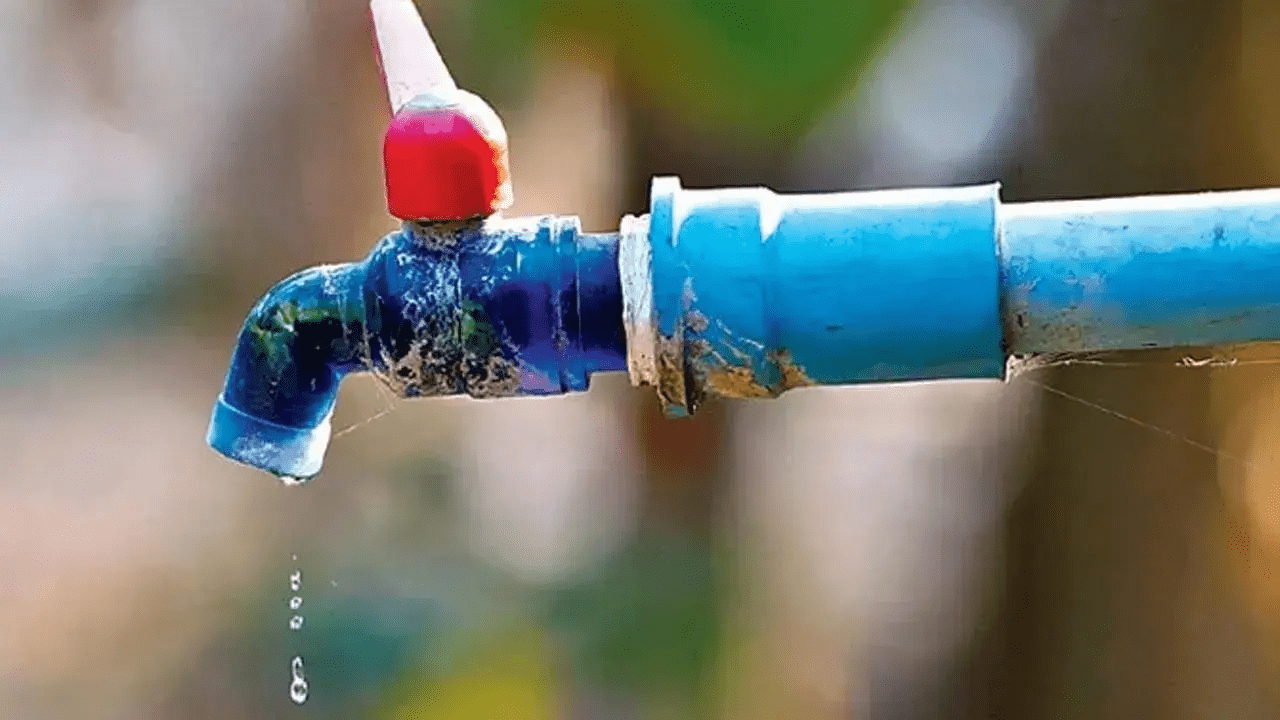
A planned Mumbai water cut will disrupt supply across large parts of the island city for nearly a day this week, as civic authorities undertake critical upgrades to key distribution infrastructure. The shutdown, scheduled between late morning on April 22 and early hours of April 23, is expected to affect residential neighbourhoods, business districts, and major public institutions in South Mumbai. The interruption is tied to the installation of high-capacity control valves along a major pipeline corridor in the port-side belt. These valves regulate water flow and pressure across multiple service zones, and their installation is being positioned as part of a broader effort to improve operational efficiency in one of the city’s oldest supply networks.
Urban planners note that while such maintenance is disruptive in the short term, it reflects the increasing pressure on legacy infrastructure in dense coastal cities. South Mumbai, with its mix of heritage buildings, commercial hubs, and ageing pipelines, faces particular challenges in balancing demand with reliability. The current Mumbai water cut highlights the ongoing need to modernise distribution systems without compromising access in high-density areas. The impact is expected to be uneven. Several neighbourhoods will experience a complete shutdown during the maintenance window, while others will face reduced pressure, potentially affecting high-rise buildings and healthcare facilities that depend on consistent supply. Key public institutions, including hospitals and transport-linked zones, are likely to rely on backup storage and contingency arrangements. From an economic standpoint, such disruptions carry ripple effects.
Small businesses, informal vendors, and service establishments in affected wards may see temporary slowdowns, especially where water-dependent operations are involved. Experts suggest that predictable scheduling and advance communication can help mitigate these impacts, though recurring disruptions may still raise concerns about long-term system resilience. The advisory to boil and filter water after restoration also underscores broader issues around urban water quality and pipeline integrity. Ageing networks often risk contamination during pressure fluctuations, making post-repair safety protocols essential for public health. Infrastructure specialists argue that these upgrades should be viewed within the context of climate resilience.
As cities like Mumbai face increasing variability in rainfall and rising demand, strengthening distribution efficiency becomes as critical as augmenting supply sources. Investments in leak detection, pressure management, and decentralised storage could help reduce the frequency of large-scale shutdowns in the future. For residents, however, the immediate priority remains coping with the disruption. Authorities have urged advance storage and careful usage. Also read : Navi Mumbai Coastal Road Boosts Airport Connectivity