


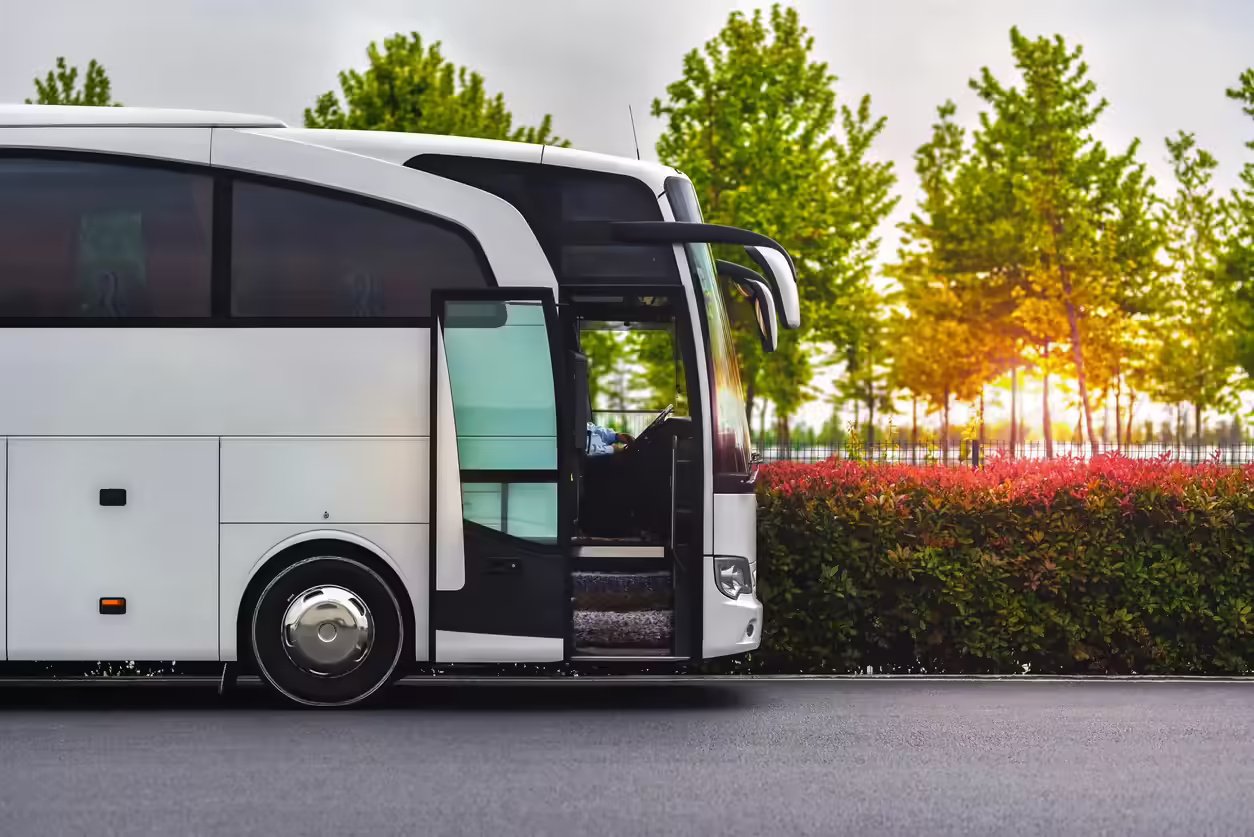
Indore has dismantled an 11.5-kilometre stretch of its Bus Rapid Transit System (BRTS) corridor along AB Road, marking a significant shift in the city’s approach to urban mobility. The removal of the dedicated bus lane, once positioned as a solution for efficient mass transit, reflects changing priorities as authorities attempt to ease congestion on one of the city’s busiest arterial routes. City officials indicate that the decision was driven by rising traffic pressure and underutilisation of the segregated corridor.
Over time, mixed traffic conditions and enforcement challenges had reduced the effectiveness of the system, with private vehicles increasingly dominating road space. The Indore BRTS removal is being positioned as a move to reclaim carriageway width and improve vehicular flow, particularly during peak hours. However, urban mobility experts caution that such measures risk reinforcing car-dependent planning. Dedicated bus corridors are typically designed to move more people using fewer vehicles, making them a critical component of low-emission, high-capacity transport systems. The Indore BRTS removal, they argue, may provide short-term congestion relief but could undermine long-term goals of sustainable and equitable mobility. Transport planners highlight that the success of BRT systems depends heavily on consistent enforcement, integrated feeder networks, and commuter trust. In Indore’s case, gaps in last-mile connectivity and encroachments along the corridor had limited ridership growth. Without these supporting elements, even well-designed infrastructure can struggle to deliver intended outcomes. The decision also raises broader questions about how Indian cities balance road space allocation. With rising vehicle ownership, reallocating lanes from public to private transport can create a cycle of induced demand where increased capacity encourages more vehicles on the road, eventually restoring congestion levels. Experts suggest that cities need to prioritise moving people rather than vehicles, especially as urban populations expand. From a sustainability perspective, the rollback of a mass transit corridor could impact emission reduction efforts. Public transport systems like BRTS are generally more energy-efficient per passenger compared to private vehicles. Reducing their prominence may increase reliance on fossil fuel-based mobility, adding pressure on air quality and climate goals. At the same time, officials suggest that future plans may include alternative traffic management strategies and redesigned corridors to improve overall efficiency.
Some urban planners advocate for a hybrid approach retaining dedicated lanes in high-demand stretches while redesigning others with better multimodal integration, including pedestrian and cycling infrastructure. The Indore BRTS removal underscores a critical inflection point in urban transport planning. As cities navigate congestion and growth, the challenge lies in building systems that are not only efficient but also inclusive and environmentally resilient. Whether this shift leads to improved mobility or deeper structural challenges will depend on how the city reinvests in its transport future.
ALSO READ – Indore Faces Rising Toll In Road Accidents
Indore BRTS Corridor Removal Reshapes Urban Mobility
