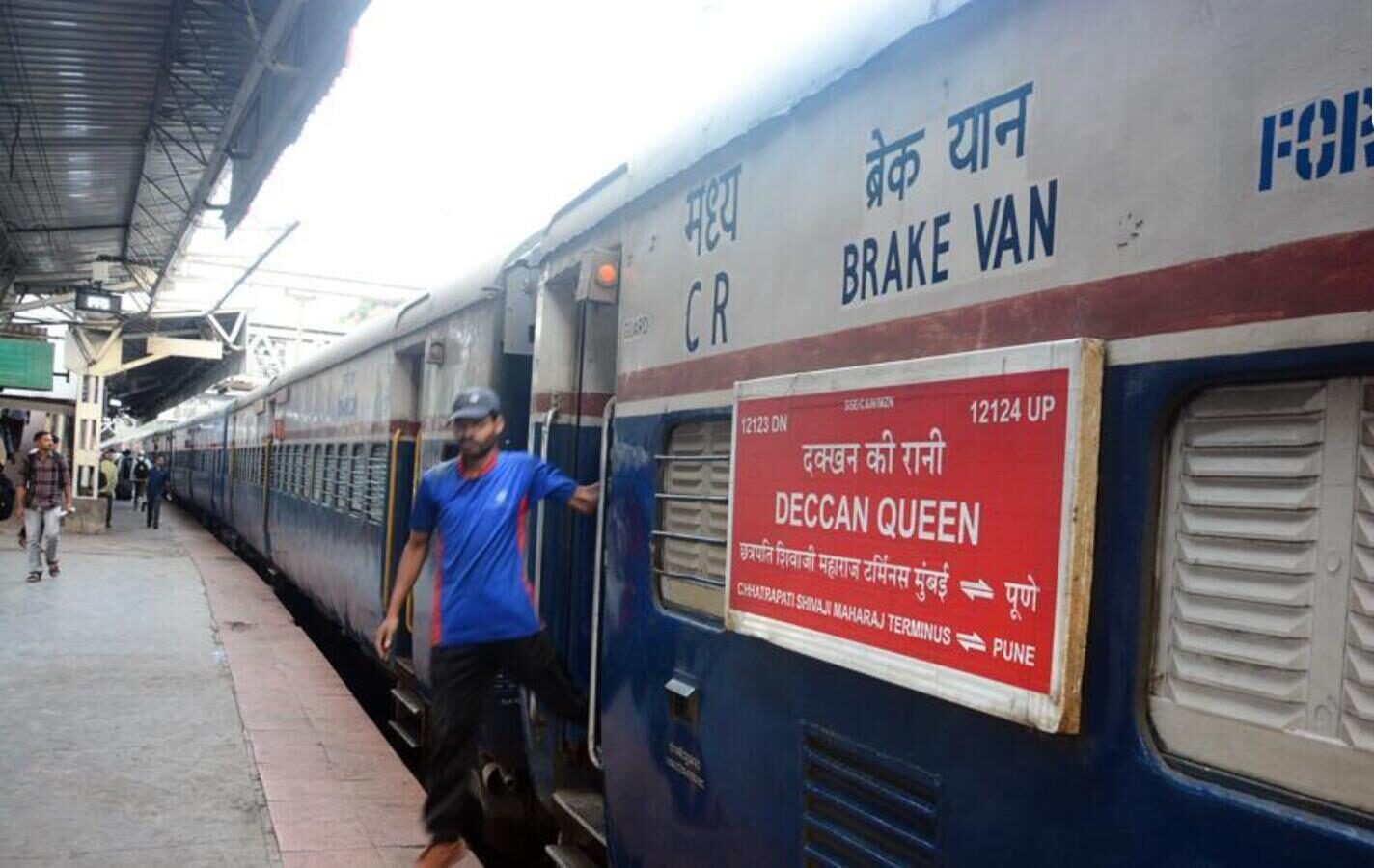
Pune railway division is planning to relocate the bulk of its train maintenance operations nearly 15 kilometres away from the main station. A new coach depot proposed at Alandi — on the Pune-Satara route — will adopt a Japanese-inspired operational model, separating passenger handling from cleaning and repair work.
The ₹97 crore facility, awaiting approval from the railway board, is designed to service around 100 coaches daily, including modern LHB rakes and Vande Bharat trains. But the real story lies not in the technology — but in the land. A senior railway official confirmed that soaring real estate prices and severe space constraints near Pune station have made it impossible to expand existing maintenance yards. At present, the Ghorpadi Coach Maintenance Complex handles nearly 300 coaches each day, operating well beyond comfortable capacity. With more trains originating from Pune every year, that pressure is only rising. By shifting cleaning, repair, and stabling to Alandi, the main station can focus solely on passenger movement — faster turnarounds, less congestion, and quieter platforms.
Urban infrastructure experts have long argued that Indian cities waste prime urban land on heavy maintenance activities that could be relocated to peri-urban zones. The Alandi depot follows that logic. Three maintenance pit lines of 600 metres each, two stabling lines, and a separate sick line for defective coaches will allow trains to be serviced outside the crowded core without disrupting daily commuter flow. For citizens, the change will be largely invisible — cleaner trains, possibly fewer delays — but the environmental and economic implications are notable. Moving heavy diesel shunting and repair activity out of dense residential zones reduces local air and noise pollution. It also frees up land value for transit-oriented development near the main station, a principle that aligns with climate-resilient urban planning.
However, the model depends entirely on reliable last-mile connectivity between Alandi and the main station. Without dedicated crew shuttles or public transport links, the efficiency gains could be lost to transit time. Railway officials say the depot has been planned with long-term growth in mind, but have not detailed how workers and materials will move between sites. The larger question is whether other Indian cities will follow. Pune’s land squeeze is not unique. From Bengaluru to Chennai, railway stations sit on some of the most expensive real estate in the country. Moving maintenance outward — the Japanese model of separating passenger flow from heavy upkeep — could become a template for decongesting urban rail networks.
What changes next is the railway board’s approval. If cleared, the Alandi depot will mark a rare case of infrastructure planning responding to land economics rather than fighting it.
Pune Railway Depot Moves Out To Alandi