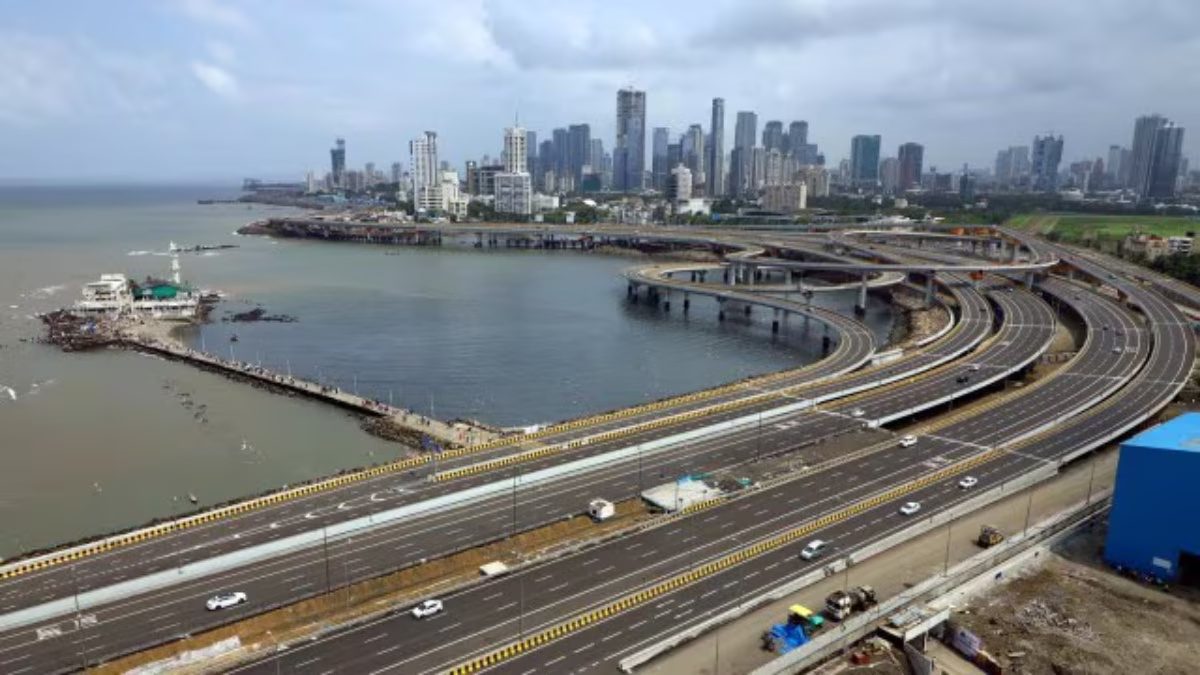
Authorities in Maharashtra are moving to bring external expertise into transport planning across the Mumbai Metropolitan Region (MMR), with plans to appoint a consultant tasked with designing a long-term strategy to ease congestion and improve road efficiency. The decision reflects growing pressure on the region’s infrastructure as rapid urbanisation continues to outpace mobility planning. The proposed roadmap will examine critical gaps in the existing road network, including the need for widening corridors, building alternative routes, and developing ring road systems to redistribute traffic flows. Officials indicate that the exercise will focus on reducing travel time and improving connectivity between residential and employment hubs—an issue that directly impacts productivity and quality of life in one of India’s largest urban economies.
Urban planners argue that piecemeal road expansion has historically failed to address systemic congestion across the MMR. Instead, a network-based approach—integrating arterial roads, feeder routes, and regional connectors—is increasingly seen as essential. The move to appoint a consultant for MMR road planning suggests a shift towards more data-driven, coordinated decision-making rather than project-by-project execution. The initiative also comes at a time when real estate growth in peripheral zones such as Kalyan-Dombivli is accelerating. Developers have flagged concerns over the financial viability of redeveloping ageing buildings, citing the need for regulatory incentives such as higher development potential. Improved road infrastructure is expected to play a key role in unlocking these markets by enhancing accessibility and reducing commute times to core business districts. In parallel, state authorities have indicated plans to strengthen regional connectivity through new infrastructure links, including a proposed bridge connecting Kalyan to a major expressway corridor.
Such projects are likely to reshape commuting patterns and influence land values, particularly in emerging suburban clusters. However, experts caution that expanding road capacity alone may not provide a sustainable solution. Without complementary investments in public transport, non-motorised mobility, and land-use planning, increased road space can induce additional traffic demand over time. This raises broader questions about how the MMR balances economic growth with environmental sustainability and climate resilience. From a governance perspective, the success of MMR road planning will depend on coordination between multiple agencies, including regional development authorities, municipal bodies, and transport departments. Fragmented planning has often led to inefficiencies, with overlapping projects and delayed timelines affecting outcomes on the ground.
As the region prepares for continued population growth and economic expansion, the consultant-led approach signals an attempt to recalibrate infrastructure planning for long-term needs. The challenge will lie in translating strategic recommendations into implementable projects that prioritise accessibility, reduce congestion, and align with a more sustainable urban future.