


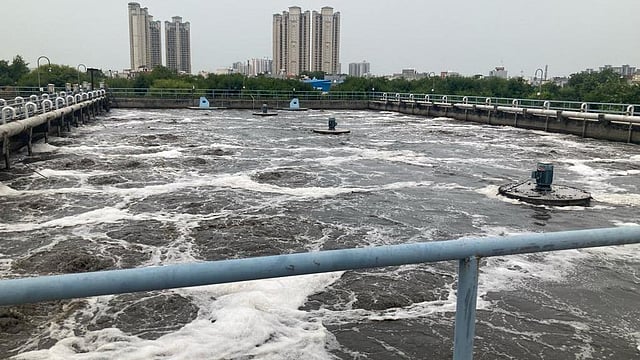
In Bengaluru, efforts to scale up the use of treated wastewater are facing delays due to the absence of clear regulatory standards, highlighting a critical gap in the city’s water management strategy.
The Bangalore Water Supply and Sewerage Board has been pushing for wider adoption of recycled water, particularly for non-potable uses, but implementation remains uneven.Treated water is widely regarded as a key component of sustainable urban water systems, especially in water-stressed cities.Bengaluru, which depends heavily on distant river sources and depleting groundwater reserves, generates significant volumes of wastewater that could be reused for industrial, landscaping, and construction purposes. However, the lack of uniform guidelines on quality standards and usage protocols has created uncertainty among potential users.Urban water experts note that without clearly defined norms, industries and residential communities are hesitant to adopt treated water, citing concerns over safety, compliance, and long-term reliability. This has slowed the transition towards a circular water economy, where wastewater is systematically recycled to reduce pressure on freshwater sources.The issue also has implications for infrastructure investment. While treatment plants have been expanded in recent years, their capacity remains underutilised due to limited demand.
Analysts suggest that establishing standardised quality benchmarks and certification systems could unlock this potential, making treated water a viable alternative for multiple sectors.From a sustainability perspective, increasing the use of recycled water could significantly reduce the city’s environmental footprint. It would lower dependence on energy-intensive water transport systems and help preserve natural water bodies. Additionally, integrating treated water into urban planning could support climate resilience by ensuring more reliable water availability during periods of scarcity.The current situation underscores the importance of policy alignment in urban resource management. Experts emphasise that technical solutions alone are insufficient without supportive regulatory frameworks and public awareness. Clear communication on the safety and benefits of treated water will be essential to build trust among users.There are also broader governance considerations. Coordinating between multiple agencies, setting enforceable standards, and monitoring compliance will require institutional strengthening. Cities that have successfully implemented water recycling systems often rely on integrated planning and consistent policy enforcement.
As Bengaluru continues to face mounting water challenges, the push for treated water represents a critical opportunity to rethink resource use. Bridging the regulatory gap could accelerate adoption, improve efficiency, and contribute to a more sustainable and resilient urban water system in the years ahead.
Also Read:Bengaluru students drive sustainable AI innovation
