


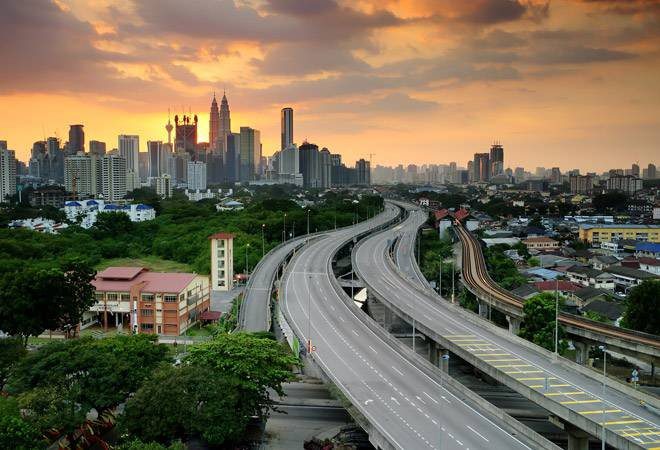
In Bengaluru, rapid urban expansion is increasingly testing the limits of infrastructure, raising concerns about how the city can sustain growth while maintaining liveability.
As population inflows continue and economic activity intensifies, pressure on transport networks, water resources, and housing systems is becoming more visible across key urban corridors.The city’s growth trajectory has been driven by its status as a leading technology and innovation hub, attracting businesses and skilled professionals from across the country.However, this expansion has outpaced the development of essential civic infrastructure in several areas.Congestion, inconsistent water supply, and inadequate waste management are emerging as persistent challenges, particularly in newly developed neighbourhoods.Urban planners note that Bengaluru’s development pattern has been largely outward, with peripheral zones witnessing rapid real estate activity. While this has helped accommodate demand for housing and commercial spaces, it has also led to fragmented urban form and increased dependence on private vehicles. Despite ongoing investments in systems such as the Namma Metro, last-mile connectivity remains a critical gap.The strain on natural resources is another growing concern. Experts point out that unchecked construction and the loss of green cover have affected groundwater recharge and increased vulnerability to climate-related risks.
As extreme weather events become more frequent, the need for climate-resilient infrastructure—such as improved drainage systems and protected water bodies—is becoming more urgent.From an economic standpoint, infrastructure bottlenecks can impact productivity and investor confidence.Delays in commuting, rising living costs, and service inefficiencies add to the operational burden for businesses and residents alike.Analysts suggest that without timely intervention, these factors could influence long-term competitiveness, especially as other cities position themselves as alternative growth centres.The situation also raises questions about governance and planning coordination.Experts emphasise the need for integrated urban strategies that align land use, transport, and environmental management.Strengthening institutional capacity and leveraging data-driven planning tools could help address systemic inefficiencies.At the same time, there is an opportunity to recalibrate Bengaluru’s growth model.Encouraging denser, mixed-use development, improving public transport integration, and prioritising affordable housing could help create a more balanced urban ecosystem.Investments in sustainable infrastructure—such as renewable energy, water recycling, and decentralised waste systems—are also seen as critical for long-term resilience.
As Bengaluru continues to expand, the challenge will be to transition from reactive infrastructure upgrades to proactive, future-ready planning. Ensuring that growth remains inclusive, resource-efficient, and environmentally sustainable will be key to preserving the city’s economic vitality and quality of life in the years ahead.
Also Read:Bengaluru sustainable materials reshape urban design
