


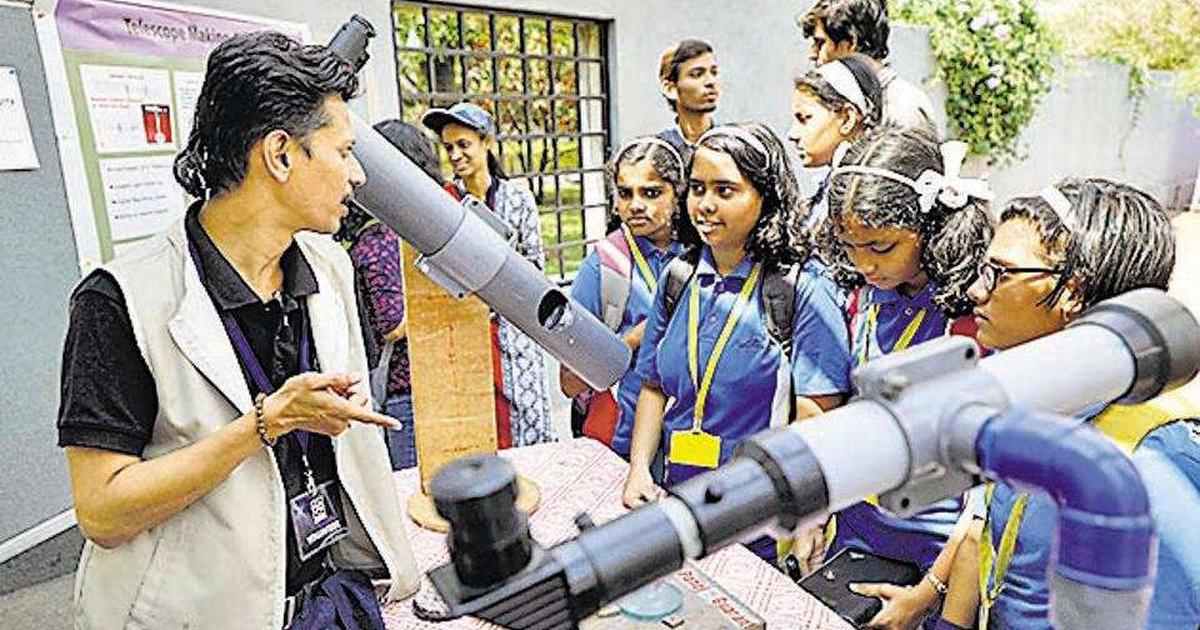
In Chennai, a renewed call for embedding scientific thinking into public life has placed environmental protection at the centre of civic responsibility.
Speaking at a public event, a former judge of the Supreme Court of India emphasised that a rational, evidence-based approach is critical to addressing escalating ecological challenges, particularly in rapidly urbanising regions.The remarks come at a time when cities across Tamil Nadu are grappling with air pollution, water stress, and unregulated expansion. Experts argue that fostering a “scientific temper”—a term rooted in India’s constitutional values—can influence how citizens and policymakers respond to environmental risks. From waste segregation to energy consumption, behavioural shifts informed by science are increasingly seen as essential for sustainable urban living.Urban planners note that environmental degradation in cities often stems from decisions made without adequate data or long-term assessment. Whether it is encroachment on wetlands or poorly planned infrastructure, the absence of scientific evaluation can amplify climate vulnerabilities.Integrating scientific methods into governance, therefore, is not just an academic concern but a practical necessity for resilience planning.
The discussion also highlighted the role of education systems and public institutions in promoting critical thinking. By encouraging inquiry and evidence-based reasoning, institutions can equip citizens to question unsustainable practices and demand accountability. This becomes particularly relevant in urban contexts, where population density and resource consumption intensify environmental pressures.Industry observers point out that aligning development with scientific principles can also support economic efficiency. For instance, data-driven infrastructure planning can reduce long-term costs, optimise resource allocation, and improve service delivery. In the context of Tamil Nadu’s industrial growth, balancing economic expansion with ecological safeguards will require stronger reliance on research and innovation.The emphasis on scientific temper also intersects with climate resilience strategies.As extreme weather events become more frequent, cities must adopt adaptive measures grounded in scientific forecasting and risk assessment.This includes strengthening drainage systems, protecting natural buffers, and designing buildings that can withstand climatic stress.
For Chennai and other urban centres, the message signals a broader shift towards knowledge-driven governance. While policy frameworks increasingly acknowledge sustainability, their effectiveness depends on how deeply scientific thinking is embedded in everyday decision-making. Strengthening this foundation could play a decisive role in shaping cities that are not only economically vibrant but also environmentally secure.
Also Read:Chennai ring road project boosts infrastructure supply
