


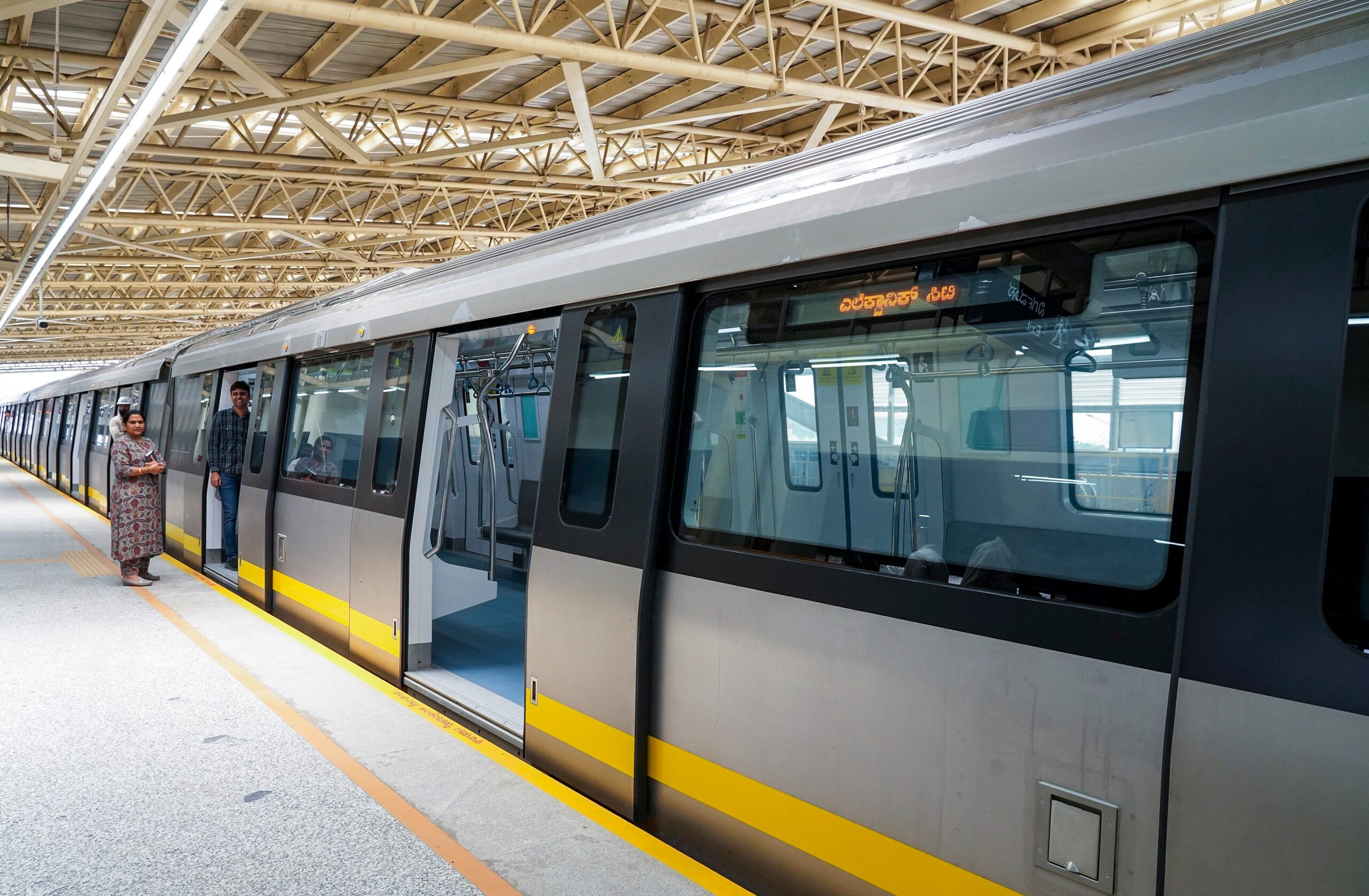
In Bengaluru, the planned expansion of the Namma Metro—particularly the upcoming Blue Line—is expected to significantly alter real estate dynamics across key growth corridors.
The project, which will enhance east-west connectivity and improve access to the airport, is already influencing property demand in peripheral and emerging neighbourhoods.The Blue Line is designed to reduce travel time between major residential and commercial hubs, a factor that historically drives housing interest near transit nodes.Real estate analysts indicate that areas along the alignment are witnessing early signs of price appreciation, with developers repositioning projects to align with improved accessibility.For a city long challenged by congestion, metro-led connectivity is increasingly shaping investment decisions.Urban development experts note that transit-oriented growth can help distribute economic activity more evenly across the metropolitan region. By linking previously under-served areas to employment centres, the metro expansion could ease pressure on central business districts while unlocking land value in outer zones. This has implications not just for housing, but also for retail, office space, and logistics infrastructure.
However, rising property prices along metro corridors raise concerns about affordability and equitable access. As land values increase, lower-income households may find it harder to remain in well-connected areas, potentially leading to displacement or longer commute times.Planners suggest that inclusive zoning policies and mixed-income housing models are necessary to ensure that infrastructure benefits are shared across social groups.From a sustainability perspective, the Blue Line could contribute to reduced vehicular dependence if integrated effectively with feeder systems and non-motorised transport networks. Public transit expansion is a key component of low-carbon urban strategies, particularly in fast-growing cities like Bengaluru where traffic congestion contributes significantly to emissions. The success of such projects, however, depends on last-mile connectivity and user adoption.The construction phase itself also presents challenges, including temporary disruptions to traffic and local businesses.Balancing infrastructure development with minimal urban disturbance remains a critical consideration for city authorities. Experts emphasise the need for phased execution and clear communication to mitigate short-term impacts.
As Bengaluru continues to expand, the interplay between transit infrastructure and real estate markets will become more pronounced. The Blue Line illustrates how mobility investments can reshape urban form, influence property values, and redefine growth patterns. Going forward, aligning metro expansion with sustainable planning principles will be essential to ensure that connectivity gains translate into inclusive and resilient urban development.
Also Read:Scientific temper key for environmental protection
