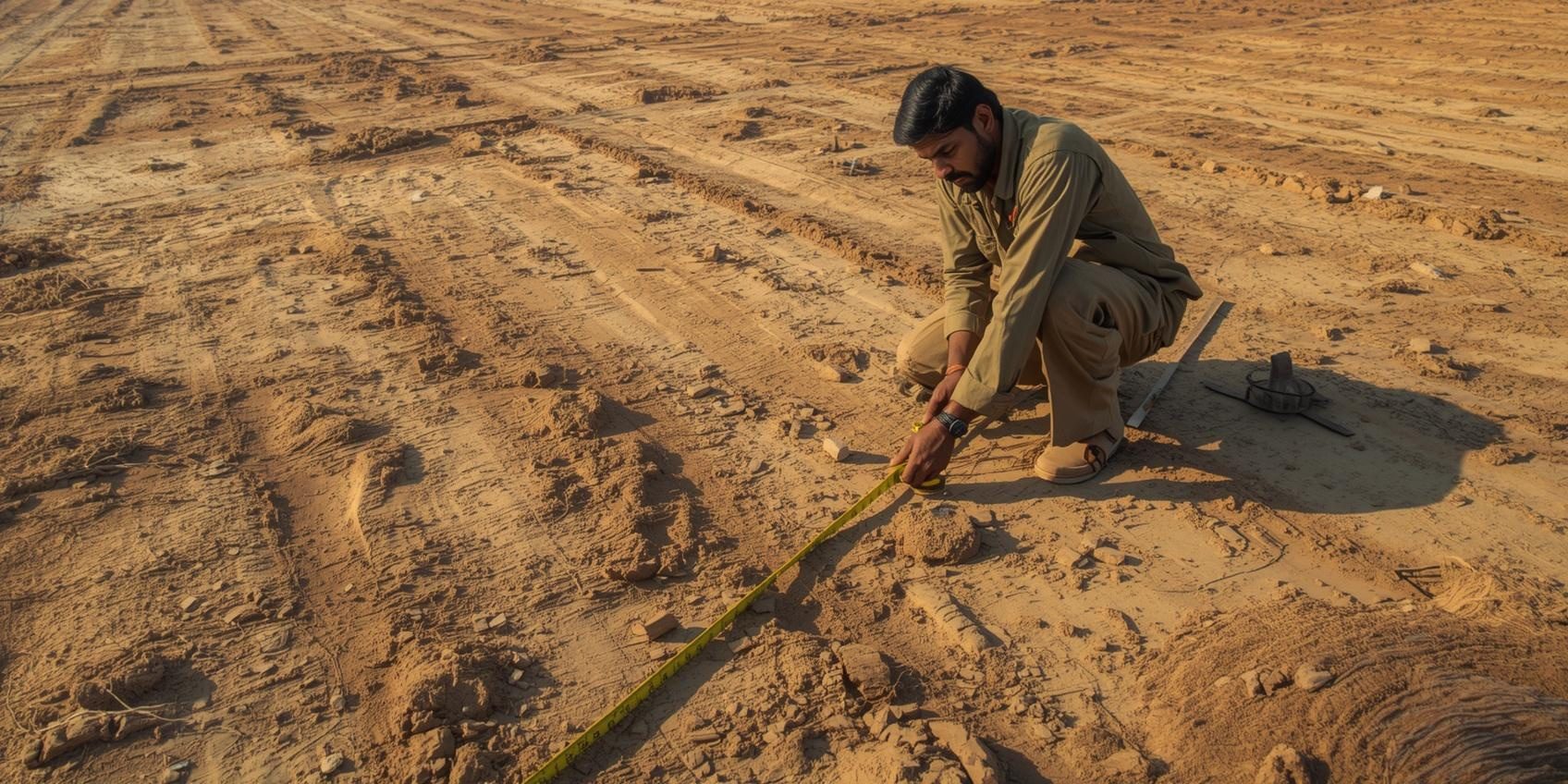
Mumbai Land Compensation Model Redefines Urban Expansion
A new land compensation model is being rolled out across the Mumbai Metropolitan Region’s planned expansion zone, aiming to reshape how large-scale urban growth engages with landowners. Covering over 120 villages in Raigad district, the framework introduces multiple compensation pathways as authorities prepare for a significant spatial extension often referred to as Mumbai’s next development frontier. At its core, the land compensation model seeks to move beyond conventional acquisition practices by offering landowners a choice in how they participate in the transformation of peri-urban landscapes. Officials indicate that the process, set to begin digitally later this month, is designed to improve transparency while reducing disputes that often accompany infrastructure-led expansion.
The initiative spans villages across Uran, Panvel and Pen talukas, where a new development zone has been earmarked over a large geographic area. This region sits within the influence zone of major infrastructure investments, including coastal connectivity projects, positioning it as a future hub for residential, industrial and logistics growth. Urban planners note that such corridors are increasingly shaping metropolitan expansion patterns, often accelerating land value shifts and migration flows. Under the new land compensation model, three pathways have been structured. One follows a negotiated settlement approach, allowing direct agreements between authorities and landowners. A second option replaces immediate cash payouts with development-linked instruments such as transferable development rights and additional floor space entitlements, effectively tying compensation to future urban value creation. The third introduces a land pooling mechanism, where a portion of developed land is returned to original owners after infrastructure provisioning.
Experts suggest that such hybrid models reflect a broader shift in urban policy, where landowners are repositioned as stakeholders rather than displaced entities. However, the transition is not without complexity. Concerns have emerged within local communities regarding livelihood disruptions, particularly in areas dependent on agriculture and fishing. Analysts caution that unless social safeguards are robust, even flexible compensation frameworks may struggle to build long-term trust. Environmental considerations also remain central. Large-scale land transformation in coastal and semi-rural belts raises questions around ecological resilience, especially in regions vulnerable to flooding and habitat loss. Integrating sustainable planning principles—such as preserving natural drainage systems and limiting unregulated construction—will be critical as the project evolves.
The success of the land compensation model will likely depend on execution as much as design. Digital onboarding, clarity in valuation, and timely delivery of promised benefits will shape public perception. For a region experiencing rapid urbanisation, the approach could become a template for balancing growth with equity—provided it addresses both economic aspirations and environmental constraints. As participation opens, the response from landowners will offer an early signal of whether this model can bridge the long-standing gap between infrastructure ambition and community confidence in India’s expanding metropolitan regions.