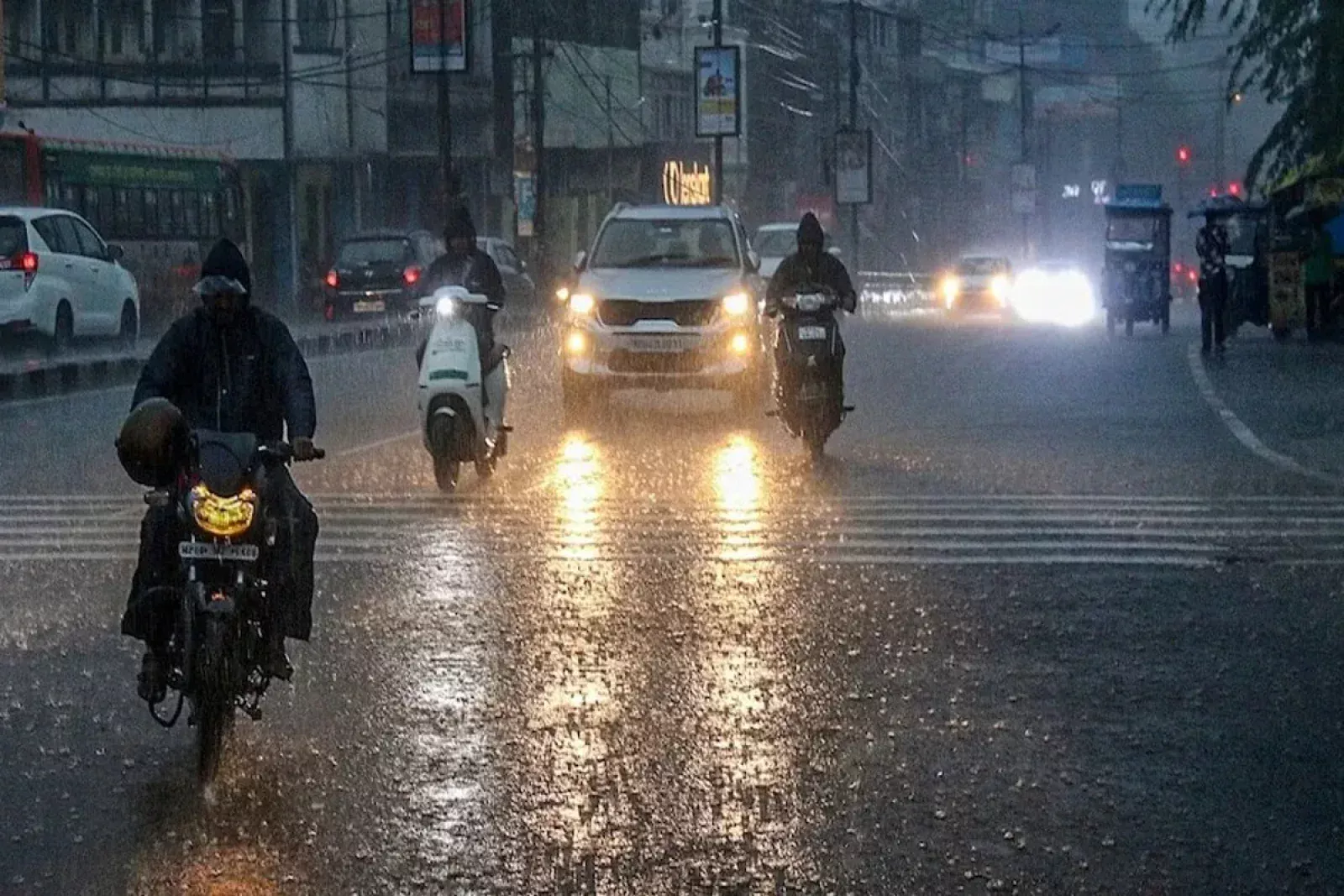
A brief spell of gusty winds and light rainfall forecast across parts of Rajasthan, including Jaipur, signals a short-lived break in the region’s intensifying heat, while exposing deeper patterns of climatic variability affecting urban systems. The weather shift, driven by a western disturbance, is expected to bring wind speeds of up to 40–50 kmph along with scattered showers in select districts.
The development comes at a time when Rajasthan is already experiencing high summer temperatures, with several cities reporting readings above 40°C. In the past 24 hours, western districts have recorded extreme heat levels nearing 43°C, reinforcing the intensity of seasonal conditions. This juxtaposition of heatwaves and sudden rain events reflects a broader pattern of unstable pre-monsoon weather increasingly observed across north India. For cities like Jaipur, the immediate impact of such Rajasthan weather changes is mixed. While cloud cover and light rainfall may offer temporary relief from heat stress, strong winds and uneven precipitation can disrupt daily mobility, particularly in dense urban corridors with limited climate-resilient infrastructure. Sudden weather shifts often expose vulnerabilities in drainage, traffic management, and public safety preparedness.
Urban planners point out that these intermittent weather events are no longer isolated anomalies. Instead, they are becoming part of a recurring cycle linked to shifting atmospheric conditions and warming trends. The increasing frequency of western disturbances extending into late spring is altering traditional seasonal transitions, making urban climate management more complex. The implications extend beyond city limits. Peripheral agricultural zones, which remain closely tied to urban economies, may see marginal benefits from light rainfall. However, unpredictable weather during peak summer can also affect crop stability, especially when accompanied by high winds or temperature swings. From a sustainability standpoint, Rajasthan weather variability underscores the urgency of integrating climate adaptation into urban planning. Cities must prepare not only for prolonged heatwaves but also for sudden weather events that test infrastructure resilience. This includes improving stormwater systems, strengthening early warning mechanisms, and designing public spaces that can withstand both heat and wind stress.
The current forecast also highlights a critical challenge for rapidly growing cities: balancing short-term weather relief with long-term climate risks. While the expected rainfall may slightly lower temperatures in some northern districts, meteorological assessments indicate that the respite will be temporary, with temperatures likely to rise again in the following days. As Rajasthan’s urban centres continue to expand, the ability to absorb such climatic fluctuations without disruption will become central to sustainable growth. The latest weather activity, though limited in scale, reinforces the need for cities to move beyond reactive responses and build systems that anticipate an increasingly unpredictable climate future.