Delhi Sunder Nursery Event Brings Focus To Urban Wildlife
A new urban biodiversity initiative in Delhi is bringing attention to an often-overlooked part of city ecosystems, with the launch of the region’s first field publication on bats accompanied by a public “bat walk” at Sunder Nursery. The event marks a growing shift in how Indian cities are engaging citizens with urban wildlife, linking ecological awareness with public spaces.
The field guide, developed to document bat species found across Delhi NCR, aims to make scientific knowledge more accessible to residents, students, and planners. The region hosts around 15 bat species, many of which play critical roles in pollination, pest control, and maintaining ecological balance. The initiative coincided with a guided walk through Sunder Nursery, where participants used acoustic tools and expert guidance to observe bat activity in real time. The event drew citizens into a rarely explored dimension of urban biodiversity, offering insight into nocturnal species that are often misunderstood or ignored in city planning. Urban ecologists note that such programmes reflect a broader rethinking of city ecosystems. Traditionally, urban development in India has prioritised built infrastructure, often sidelining biodiversity considerations. However, as climate stress and environmental degradation intensify, there is increasing recognition that urban resilience depends on preserving ecological networks within cities.
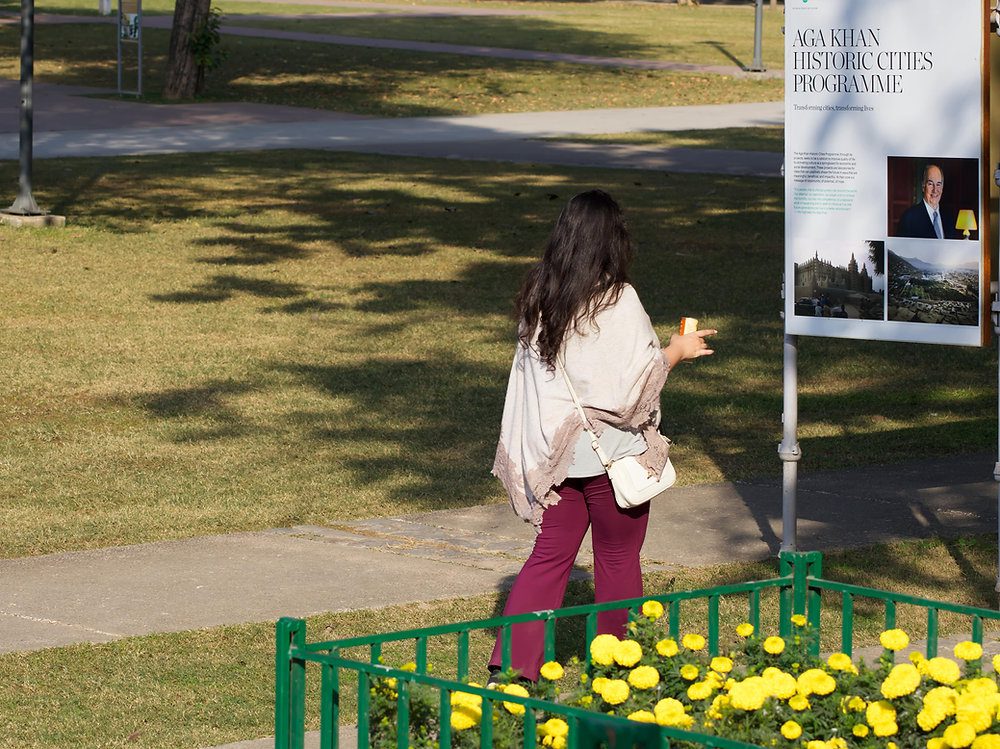
Sunder Nursery itself illustrates this shift. Spread across nearly 90 acres and designed as a heritage-biodiversity park, it integrates green landscapes, water bodies, and restored monuments, creating habitats that support diverse flora and fauna. Such spaces are emerging as critical urban “lungs,” offering both environmental benefits and public engagement opportunities. The Delhi bat awareness initiative also addresses a deeper perception challenge. Bats, despite their ecological importance, are often associated with disease and fear, leading to neglect or habitat destruction. Experts argue that public engagement—through walks, field guides, and citizen science—can help reshape these narratives and build support for conservation. From an urban planning perspective, the effort highlights the need to integrate biodiversity into mainstream development frameworks. Loss of old trees, renovation of heritage structures, and expanding construction have already reduced natural habitats for species like bats. Without deliberate planning, such pressures could further erode ecological balance in dense metropolitan areas. There is also a governance dimension. As cities expand, managing green spaces and biodiversity requires coordination between multiple agencies, from municipal bodies to conservation groups. Initiatives like this signal a move towards more collaborative, knowledge-driven urban management.
For citizens, the event reflects a subtle but important shift—from viewing nature as separate from the city to recognising it as embedded within everyday urban life. Engaging communities in biodiversity awareness not only enhances environmental literacy but also strengthens collective responsibility towards shared ecosystems. As Delhi continues to grapple with air pollution, heat stress, and rapid urbanisation, such interventions underline a key lesson: sustainable cities are not defined only by infrastructure, but by how well they preserve and integrate the natural systems that sustain them.