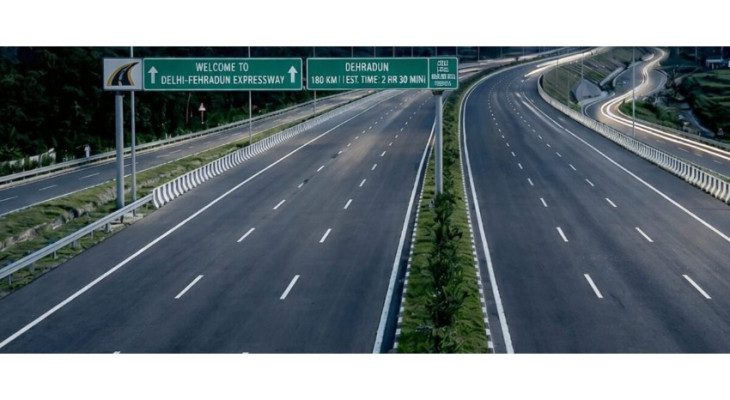
Delhi Dehradun Corridor Boosts Mobility And Economy
The inauguration of the Delhi–Dehradun economic corridor marks a significant shift in northern India’s infrastructure landscape, with the high-speed route expected to compress travel time between the two cities to nearly 2.5 hours while unlocking new economic and mobility opportunities across the region. The project signals how large-scale transport investments are increasingly shaping urban expansion, regional integration, and climate-sensitive planning.
Spanning over 210 kilometres and built as an access-controlled expressway, the corridor connects Delhi with key towns across Uttar Pradesh and Uttarakhand, creating a continuous high-speed link across multiple economic zones. The reduction in travel time—from over six hours to less than half—positions the corridor as a critical mobility upgrade for both passenger and freight movement. From an urban development perspective, the Delhi Dehradun corridor is likely to accelerate the formation of new growth clusters along its route. Improved connectivity typically drives land value appreciation, logistics hubs, and peri-urban expansion, particularly in districts that were previously less accessible. Urban economists suggest this could redistribute development pressure away from saturated metropolitan cores, while simultaneously raising questions around unplanned sprawl and infrastructure readiness. The corridor also plays a strategic role in strengthening tourism and regional economies.
By improving access to hill destinations and pilgrimage circuits, the project is expected to increase visitor flows, benefiting hospitality, transport, and local service sectors. However, experts caution that such growth must be carefully managed to avoid ecological stress in fragile mountain ecosystems already facing climate-related pressures. A notable aspect of the Delhi Dehradun corridor is its integration of environmental safeguards within highway design. The project includes one of Asia’s longest elevated wildlife corridors and multiple animal passages to reduce human-wildlife conflict in forested stretches. This reflects a broader shift in infrastructure planning, where ecological considerations are being embedded alongside engineering efficiency. Yet, the project also highlights the complexity of executing large infrastructure at scale. Reports indicate that certain sections are not fully operational due to unresolved land issues, underscoring persistent challenges in land acquisition and project coordination. Such bottlenecks can delay full realisation of benefits and point to the need for more transparent and inclusive planning frameworks.
For cities across the National Capital Region, the implications extend beyond connectivity. Enhanced corridors tend to influence commuting patterns, real estate markets, and industrial location decisions, gradually reshaping urban form. As multiple transport projects converge in the region, including expressways and rapid rail systems, the emphasis is shifting towards integrated, multi-modal mobility networks. Looking ahead, the long-term success of the Delhi Dehradun corridor will depend on how well it aligns with sustainable growth objectives. While faster travel and economic gains are immediate outcomes, ensuring that development remains environmentally balanced and socially inclusive will be critical in defining the corridor’s true urban impact.