


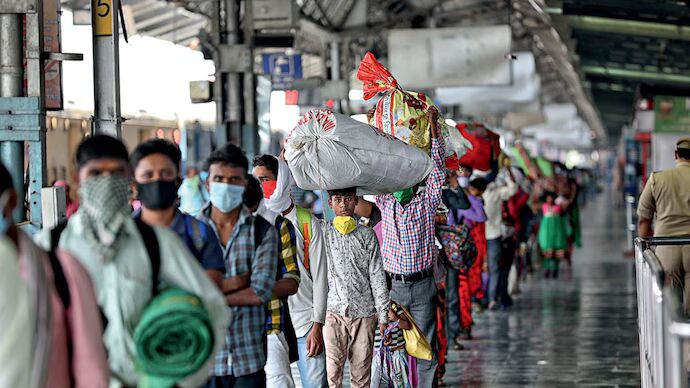
Industrial units in the Pithampur manufacturing cluster near Indore are moving to establish formal grievance redressal mechanisms following a recent escalation in labour disputes. The initiative reflects growing recognition among employers that workplace tensions, if left unaddressed, can disrupt production cycles and weaken investor confidence in one of central India’s key industrial hubs. The newly proposed systems are expected to create structured channels for workers to raise concerns related to wages, working conditions, and job security.
Industry representatives indicate that the decision comes after a series of flashpoints highlighted gaps in communication between management and labour forces across multiple factories. Pithampur, often described as the industrial backbone of the Indore region, hosts a wide range of manufacturing units, including automotive, pharmaceuticals, and engineering firms. As the cluster expands, the complexity of workforce management has increased, with a significant share of employees drawn from migrant and informal labour segments. Experts say this makes transparent and accessible grievance mechanisms essential for maintaining industrial stability. From an economic perspective, unresolved labour conflicts can have ripple effects beyond factory gates. Production delays, supply chain disruptions, and reputational risks can impact both local economies and broader investment flows. Analysts note that proactive labour governance is increasingly viewed as a competitive advantage, particularly as global investors assess environmental, social, and governance (ESG) standards before committing capital. The push for grievance panels also intersects with broader urban development challenges. Industrial zones like Pithampur are closely linked to surrounding urban and peri-urban areas, where workers live and commute daily. Poor working conditions or job insecurity can translate into social stress in these communities, affecting housing, public services, and local economies. Labour experts highlight that the effectiveness of such panels will depend on their independence, accessibility, and enforcement mechanisms. Simply creating committees without ensuring accountability may fail to address underlying issues. There is also a need to integrate these systems with formal labour laws and digital reporting tools to ensure transparency. From a sustainability lens, equitable labour practices are a key pillar of resilient urban economies. Ensuring fair treatment, safe workplaces, and reliable dispute resolution contributes to long-term productivity and social stability—factors that are critical for cities aiming to balance industrial growth with inclusive development.
Authorities are expected to monitor the implementation of these grievance systems, though details on oversight frameworks remain limited. As Pithampur continues to evolve as a manufacturing hub, the focus will increasingly be on whether such measures can move beyond reactive responses to become embedded practices within industrial operations. The current shift suggests a broader transition in how industrial ecosystems are managed—where economic growth is closely tied to worker welfare and institutional accountability.
ALSO READ – Indore Metropolitan Region Expansion Faces Planning Delays
Indore Manufacturing Hub Responds To Rising Labour Tensions
